
Yunda Logo
Is Surrogacy Legal in the UK? Understanding UK Surrogacy Law and Process
准父母相关

Is Surrogacy Legal in the UK? Understanding UK Surrogacy Law and Process

yunda
2025年12月5日

Surrogacy remains an important family-building option for many people in the United Kingdom, but the laws surrounding it work differently than in countries like the United States. If you’re searching for clarity about UK surrogacy laws or wondering is surrogacy legal in the UK, you’re not alone. Many intended parents and surrogates want a simple explanation of the rules, responsibilities and practical steps involved.

This guide walks you through how surrogacy works in the UK, the difference between traditional and gestational surrogacy, parental orders, insurance considerations and when families look to international surrogacy programs like Yunda for clearer legal frameworks.

Is Surrogacy Legal in the UK?

Yes, surrogacy is legal in the UK, but with strict rules. Commercial surrogacy remains prohibited, meaning a surrogate cannot be paid a salary. She may only receive reasonable expenses, such as:

 Maternity clothing

 Medical costs

 Travel to appointments

 Childcare during scans

 Income loss directly related to the pregnancy

Surrogacy agreements are also not legally enforceable. Even when intended parents and the surrogate agree on terms, UK law does not treat the agreement as a binding contract. Because of this, open communication, trust and the right support structure are essential.

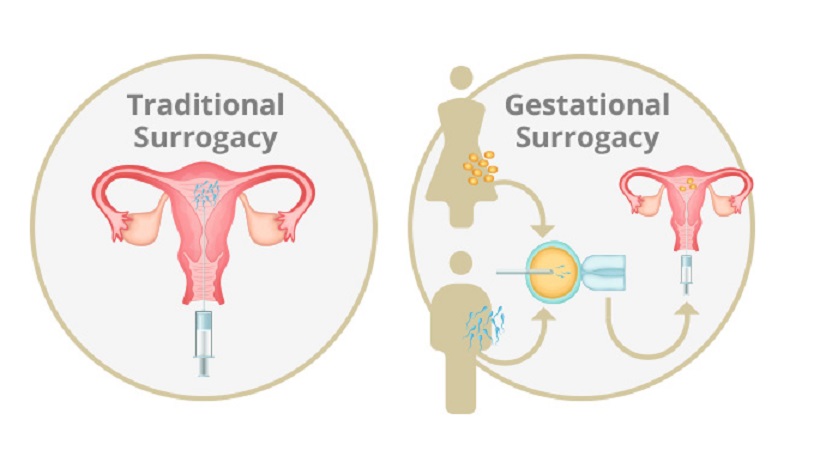
Traditional vs Gestational Surrogacy in the UK

Understanding the types of surrogacy is important because they can influence decisions about legality and parental rights.

Traditional Surrogacy (Straight Surrogacy)

Traditional surrogacy means the surrogate uses her own egg, making her the biological mother. This method is allowed in the UK but less common because legal and emotional complexities increase. Traditional surrogates receive legal recognition as the child’s initial mother until the parental order transfers parenthood.

Gestational Surrogacy (Host Surrogacy)

Gestational surrogacy uses the intended mother’s egg or a donor egg, meaning the surrogate has no genetic connection to the child. UK clinics routinely perform gestational surrogacy cycles, and this method is preferred for legal clarity and emotional comfort among intended parents and surrogates.

Most UK intended parents choose gestational surrogacy because it keeps genetic parenthood clear from the start.

How Legal Parenthood Works in the UK

Under UK law, the surrogate — and if she is married, her spouse — is the child’s legal parent at birth. This applies even in gestational surrogacy.

To become the child’s legal parents, intended parents must apply for a parental order after birth. A parental order:

 Transfers full legal parental rights

 Removes the surrogate’s legal status

 Allows the intended parents’ names to appear on the birth certificate

The parental order process typically requires:

 The surrogate’s full consent

 The intended parents being genetically related to the child (at least one parent)

 The baby living with the intended parents

 UK domicile (for at least one intended parent)

This legal structure is unique to the UK and one reason some families explore surrogacy abroad for clearer legal protections.

Gestational Surrogacy Process in the UK

The UK gestational surrogacy process generally includes:

 Matching through a UK non-profit surrogacy organisation

 Medical screening and fertility assessments

 IVF treatment and embryo creation

 Embryo transfer to the surrogate

 Pregnancy care through NHS or private providers

 Birth and recovery

 Parental order application

Because surrogacy contracts cannot be enforced, families rely heavily on trust, transparency and communication.

Insurance for Surrogacy in the UK

Insurance coverage plays a major role in surrogacy planning.

Is surrogacy covered by insurance in the UK?

Pregnancy-related care for the surrogate is usually covered through the NHS.

 However, fertility treatment and embryo creation often require private payment.

Surrogate maternity insurance and life cover

Surrogates commonly use:

 Life insurance

 Income protection insurance

 Optional private maternity care

There is no specific “surrogate insurance” policy in the UK, but some coverage options can support the surrogate’s well-being.

When UK Families Choose International Options Like Yunda

Because UK surrogacy agreements are not enforceable and commercial surrogacy is prohibited, some intended parents choose regulated international programs.

Yunda offers:

 Clearly defined contracts

 Binding legal agreements

 Full compensation for surrogates

 Structured insurance and medical care

 Dedicated case management

 Transparent milestones and timelines

Families often consider programs like Yunda when they want predictable legal status, clear parental rights or a coordinated medical process from start to finish.

FAQ

Is surrogacy legal and enforceable in the UK?

Surrogacy is legal, but agreements are not legally enforceable. The surrogate is the legal parent at birth until a parental order is granted.

Do surrogates get paid in the UK?

Surrogates can only receive reasonable expenses. They cannot receive a salary or commercial compensation.

What is the difference between traditional and gestational surrogacy in the UK?

Traditional surrogacy uses the surrogate’s egg. Gestational surrogacy uses an embryo created from the intended parents or donor gametes. Gestational surrogacy is more common because it carries fewer legal and emotional risks.

Conclusion

Surrogacy in the UK is legal but heavily regulated. While the system protects all parties, it also creates delays and limitations, especially around parenthood and compensation. Families who want enforceable agreements or more structured legal protection often look toward international surrogacy programs like Yunda.

By understanding UK laws and comparing them with global alternatives, intended parents can make informed decisions that fit their needs, values and timelines.