Yunda Logo
California Surrogacy Laws 2025: Legal Rights & Process Explained
法律法规相关

California Surrogacy Laws 2025: Legal Rights & Process Explained

yunda
2025年10月25日
California leads the nation in surrogacy law, offering one of the most supportive legal environments for surrogates and intended parents, ensuring fairness and protection for everyone.
If you’re exploring California surrogacy laws, understanding how the process works and what rights each party holds is essential. At Yunda Surrogacy, we help families navigate every legal step with confidence and clarity.

Why California Is the Most Surrogacy-Friendly State

California recognizes and enforces both gestational surrogacy and traditional surrogacy arrangements. Courts in California honor well-drafted surrogacy agreements and issue Pre-Birth Orders (PBOs) that legally establish the intended parents’ rights before the child’s birth.
Unlike many other states, California law allows both married and unmarried individuals, LGBTQ+ couples, and single intended parents to become legal parents through surrogacy. This inclusivity makes the state a global hub for assisted reproduction.

Types of Surrogacy: Traditional vs. Gestational Surrogacy

Understanding the types of surrogacy helps clarify the rights and responsibilities involved.

Traditional Surrogacy

In traditional surrogacy, the surrogate uses her own egg, making her the biological mother of the baby. Because of the genetic link, this process carries more legal complexity. Few agencies or clinics recommend it today, as it can blur parental rights and emotional boundaries.

Gestational Surrogacy

In gestational surrogacy, the surrogate carries an embryo created from the intended parents’ or donors’ genetic material. She has no biological connection to the child. California’s legal system strongly supports this form through enforceable contracts and pre-birth parentage orders.
At Yunda Surrogacy, we exclusively support gestational surrogacy because it offers the most legal clarity and emotional security for everyone involved.

Yunda Surrogacy: Protecting Families Through Every Legal Step

At Yunda, our goal is to make your surrogacy journey smooth, safe, and transparent. We work with experienced reproductive law attorneys who ensure every agreement follows California surrogacy laws precisely.
Our team coordinates legal documentation, medical appointments, and psychological support. We also help intended parents from other states and countries understand the gestational surrogacy process in California. Whether you live in Los Angeles, Georgia, or Illinois, we’ll help you navigate every detail with confidence.

Key Legal Requirements for Surrogacy in California

California law requires every surrogacy arrangement to include:
  1. A Written Contract Both the surrogate and intended parents must sign a legally binding agreement before any medical procedures begin. Each party must have independent legal counsel.
  2. Pre-Birth Parentage Orders (PBOs) Courts issue these orders during pregnancy to declare who the legal parents are. This ensures that the intended parents’ names appear directly on the baby’s birth certificate.
  3. Medical and Psychological Screening Surrogates must complete comprehensive screenings to confirm emotional and physical readiness. This step ensures a stable, ethical surrogacy process.
  4. Independent Representation Both parties retain separate attorneys. This protects each side’s interests and ensures compliance with California surrogacy laws.

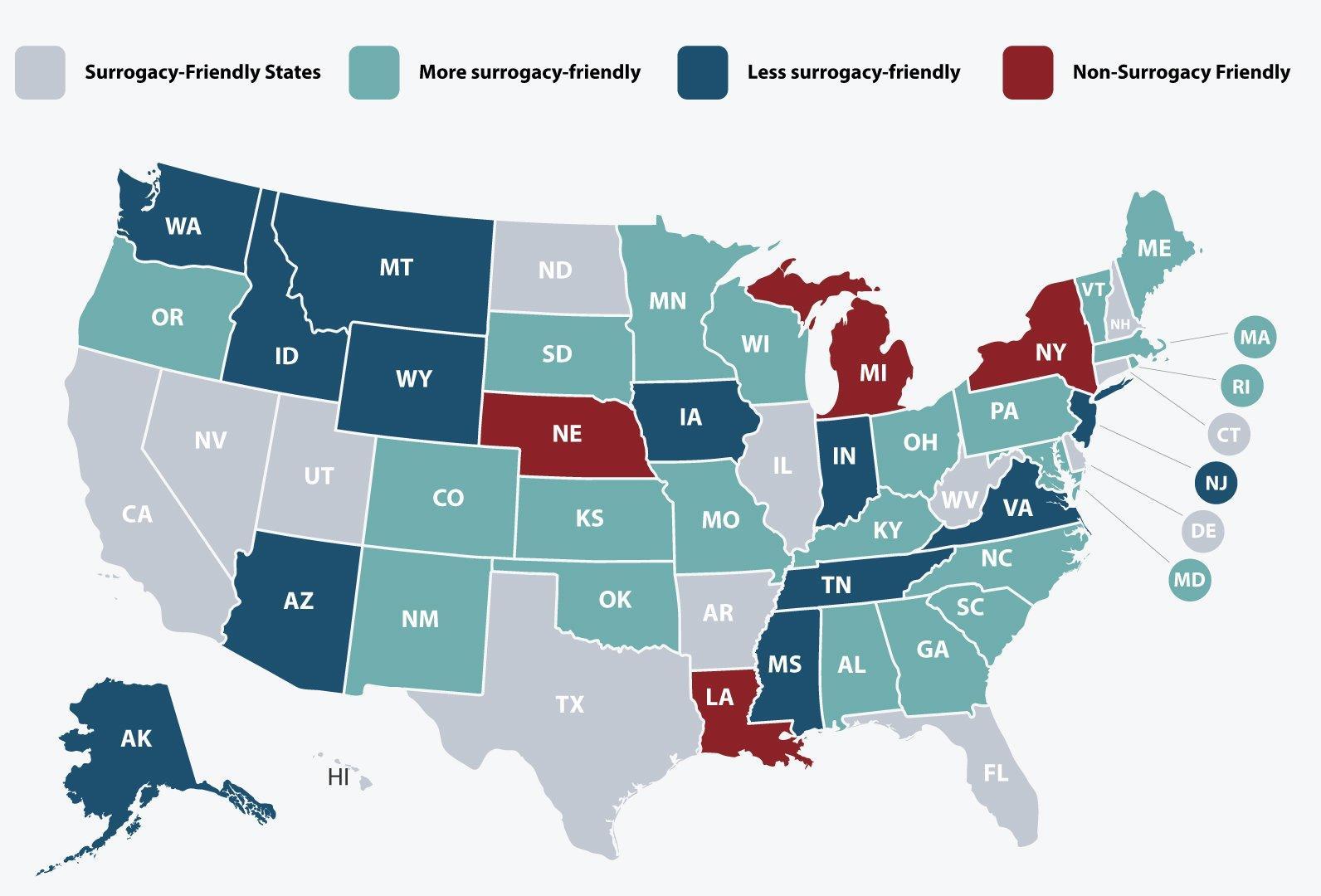
How California Compares to Other States

While California provides full legal protection, not all states do.
  • Surrogacy in Illinois: Illinois offers strong legal safeguards similar to California’s, particularly for gestational surrogacy. However, the process can vary depending on local courts and the intended parents’ marital status.
  • Surrogacy in Georgia: Georgia recognizes surrogacy agreements, but the laws are less clearly defined. Legal protections depend on local jurisdictions and court interpretations.
This contrast makes California a preferred destination for international and domestic parents. With clear statutes and consistent enforcement, California ensures peace of mind for everyone involved.

Gestational Surrogacy Process in California

At Yunda Surrogacy, we simplify the gestational surrogacy process into several key steps:
  1. Matching and Evaluation We match intended parents with qualified surrogates based on shared values, expectations, and lifestyle preferences.
  2. Legal Contracts Both sides review and sign a contract prepared by experienced surrogacy attorneys. The agreement covers compensation, medical decisions, and parental rights.
  3. Medical Procedures Fertility specialists perform IVF using embryos from the intended parents or donors. The embryo transfer takes place in a licensed reproductive clinic.
  4. Pregnancy and Support Throughout pregnancy, Yunda coordinates regular updates, wellness checks, and family support resources.
  5. Pre-Birth Order and Delivery Before delivery, the legal team secures a PBO so that the intended parents appear on the birth certificate immediately after birth.

Why Legal Guidance Matters

Even in a supportive state like California, surrogacy involves complex legal steps. Without professional legal representation, families may face delays in establishing parental rights or processing vital documents.
Yunda’s legal partners specialize in reproductive law and handle hundreds of gestational surrogacy cases each year. Their expertise ensures every agreement meets state and federal standards—especially for international clients who must comply with cross-border regulations.

Frequently Asked Questions (FAQ)

  1. Can LGBTQ+ couples pursue surrogacy in California?
Yes. California law recognizes LGBTQ+ individuals and couples as equal parents. Courts routinely issue pre-birth orders for same-sex couples and single parents.
  1. What happens if the intended parents live outside California?
Yunda assists out-of-state and international clients by coordinating with local attorneys and fertility clinics. California courts still issue valid pre-birth orders for non-residents.
  1. How long does the surrogacy legal process take?
Most legal documentation finalizes within the first trimester. Pre-birth orders are usually issued before the 30th week of pregnancy, ensuring a smooth hospital process at delivery.