Nonviable Pregnancy Explained: Causes, Signs, and Next Steps
Introduction
Many people encounter the term nonviable pregnancy during fertility treatment or early pregnancy testing. Hearing this phrase can be confusing and emotionally overwhelming, especially for individuals who are trying to conceive through IVF or surrogacy.
Searches such as nonviable pregnancy meaning, what is a nonviable pregnancy, and signs of nonviable pregnancy are common among patients seeking clarity. Understanding what this diagnosis means, why it occurs, and what options are available afterward can help individuals navigate the situation with more knowledge and support.
What Is a Nonviable Pregnancy
A nonviable pregnancy refers to a pregnancy that cannot continue to develop into a live birth. In medical terms, this means the embryo or fetus cannot survive outside the uterus and will not progress normally.
The term is commonly used in early pregnancy evaluations when medical testing shows that development has stopped or cannot continue safely.
Doctors may identify a nonviable pregnancy through:
• Ultrasound imaging
• Hormone level monitoring
• Absence of fetal heartbeat
• Abnormal embryo development
The phrase nonviable pregnancy meaning therefore refers to a pregnancy that unfortunately cannot continue toward a healthy delivery.
Common Types of Nonviable Pregnancy
Several conditions fall under the broader category of nonviable pregnancy.
These include:
• Early pregnancy loss or miscarriage
• Blighted ovum (anembryonic pregnancy)
• Ectopic pregnancy
• Severe chromosomal abnormalities
Each condition has different medical causes, but all result in the pregnancy being unable to develop normally.
Signs of a Nonviable Pregnancy
Early symptoms can vary widely. Some people notice changes quickly, while others only learn about the condition during a routine medical appointment.
Common signs of nonviable pregnancy may include:
• Vaginal bleeding
• Cramping or abdominal pain
• Decreasing pregnancy symptoms
• Slow rising or falling hCG hormone levels
• Ultrasound showing no fetal heartbeat
However, it is important to remember that symptoms alone do not confirm a diagnosis. Only medical evaluation can determine whether a pregnancy is viable.
How Doctors Diagnose Nonviable Pregnancy
Doctors rely on several diagnostic tools to confirm whether a pregnancy is viable.
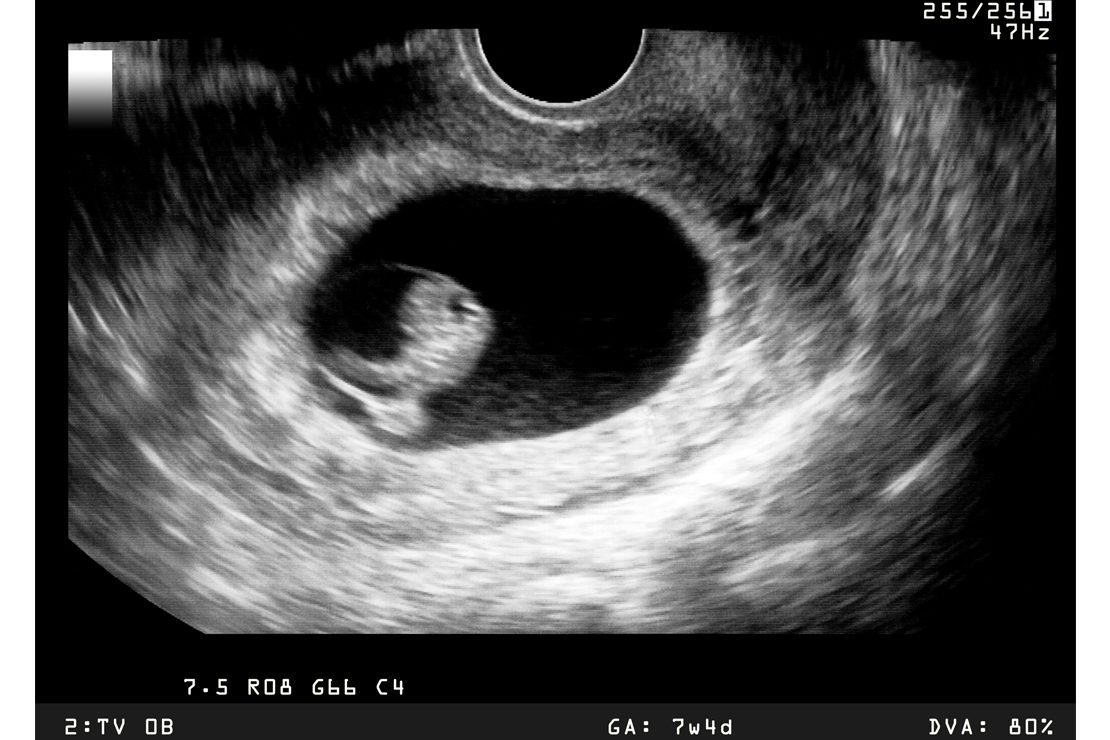
The most common method is nonviable pregnancy ultrasound evaluation.
During an ultrasound, physicians may observe:
• Absence of a developing embryo
• Gestational sac without fetal development
• No heartbeat at expected gestational age
• Abnormal growth patterns
Blood tests measuring hCG hormone levels are also used to track pregnancy progression.
When hormone levels do not rise appropriately or ultrasound findings show halted development, doctors may diagnose a nonviable pregnancy.
Causes of Nonviable Pregnancy
Most nonviable pregnancies occur because of chromosomal abnormalities during early embryo development. These genetic issues happen randomly and are usually not related to anything the parents did.
Other possible causes include:
• Chromosomal abnormalities in the embryo
• Hormonal imbalances
• Uterine structural conditions
• Severe implantation issues
• Maternal health conditions
In fertility treatments such as IVF, genetic testing of embryos may help reduce the risk of certain chromosomal problems.
Nonviable Pregnancy in IVF and Surrogacy
Nonviable pregnancy can also occur during assisted reproductive treatment. Even with advanced technology, early pregnancy loss remains a possibility.
In IVF or gestational surrogacy cases, medical teams monitor pregnancies closely through ultrasound and hormone testing.
If a nonviable pregnancy occurs during a surrogacy journey, professionals work with intended parents and surrogates to determine the safest medical steps forward.
Experienced agencies such as Yunda Surrogacy support families through these situations by coordinating medical guidance, emotional support, and next step planning. Their role often includes helping intended parents understand treatment options and preparing for future embryo transfer attempts if available.
What Happens After a Nonviable Pregnancy
When a nonviable pregnancy is confirmed, doctors discuss several medical options.
These may include:
• Expectant management (waiting for natural miscarriage)
• Medication to assist miscarriage
• Minor surgical procedures such as D&C
The recommended approach depends on medical safety and patient preference.
Emotional Impact and Support
The emotional impact of pregnancy loss can be significant. Individuals may experience grief, confusion, or frustration, particularly if fertility treatment was involved.
Support resources may include:
• Counseling services
• Fertility support groups
• Medical guidance for future treatment
• Communication with care teams
Acknowledging the emotional side of fertility challenges is an important part of healing.
Future Fertility After Nonviable Pregnancy
Experiencing a nonviable pregnancy does not mean future pregnancy is impossible. Many individuals go on to have successful pregnancies afterward.
Doctors may recommend:
• Genetic testing
• Hormone evaluation
• Uterine imaging
• Adjustments in IVF protocols
Understanding the underlying cause helps guide future fertility planning.
Frequently Asked Questions
What does nonviable pregnancy mean
It refers to a pregnancy that cannot continue developing into a live birth due to medical or developmental issues.
Can a nonviable pregnancy become viable
No. Once a pregnancy is medically confirmed as nonviable, it cannot develop normally.
Does nonviable pregnancy mean miscarriage
Often yes. Many nonviable pregnancies result in miscarriage, though medical management may sometimes be required.
Conclusion
Learning that a pregnancy is nonviable can be deeply emotional and difficult. Understanding the nonviable pregnancy meaning, causes, and medical options helps individuals navigate this experience with more clarity.
While early pregnancy loss can happen even in carefully monitored fertility treatments, it does not define future success. With proper medical care, emotional support, and guidance from experienced professionals such as Yunda Surrogacy, many families continue their path toward parenthood with renewed hope.