
U.S. Surrogacy Laws: Is It Legal?
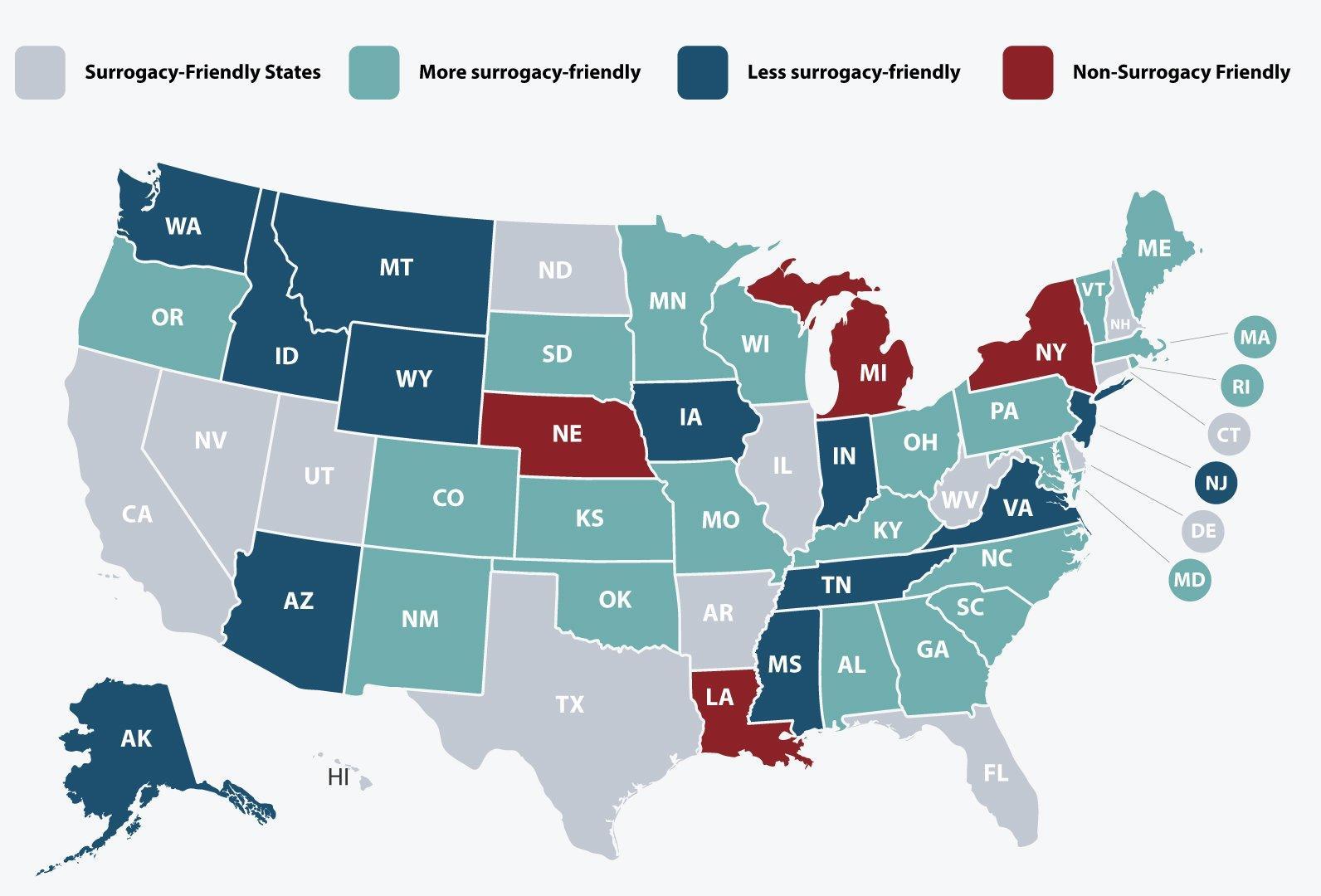
Surrogacy in the United States continues to expand as more families turn to it as a safe and reliable path to parenthood. However, the U.S. Surrogacy laws differ from state to state. Some states fully support surrogacy, while others have specific legal requirements or restrictions.
Whether you’re in California, Illinois, or Georgia, understanding the law ensures your surrogacy journey runs smoothly.That’s where Yunda Surrogacy comes in—offering clarity, legal support, and transparent communication from the first consultation to the birth of your baby.
The Difference Between Traditional and Gestational Surrogacy
Surrogacy in the U.S. falls into two main categories:
Traditional Surrogacy
In traditional surrogacy, the surrogate provides her own egg. Because this arrangement raises complex parental rights issues, it’s less common and often discouraged.
Gestational Surrogacy
Gestational surrogacy uses an embryo created through IVF using the intended parents’ or donors’ genetic material. The surrogate has no biological connection to the child.
This form is legally safer and widely supported by Yunda Surrogacy and most U.S. states.
Understanding the types of surrogacy helps you make informed decisions and ensures compliance with local regulations.
Where Is Surrogacy Legal in the U.S.?
California Surrogacy Laws: The Gold Standard
California is known as one of the most surrogacy-friendly states in the country.
Courts recognize gestational surrogacy agreements, and intended parents can receive pre-birth orders that place their names directly on the birth certificate.
Because of its legal clarity and medical infrastructure, surrogacy Los Angeles CA and surrogacy in San Diego remain popular destinations for intended parents from around the world.
Yunda Surrogacy operates with full compliance with California law, guiding families through every step of the process.
Surrogacy in Illinois and Georgia
Surrogacy in Illinois is protected under state law through a well-defined surrogacy statute. Intended parents can obtain parentage orders before the child is born, ensuring full legal recognition.
In Georgia, including Atlanta surrogacy, surrogacy agreements are permitted and commonly upheld by courts, even though there is no specific legislation.
Yunda Surrogacy provides state-specific guidance so every intended parent and surrogate understands their legal rights before starting.
How Surrogacy Laws Affect Gay Couples
Surrogacy has become a vital path for gay surrogacy and surrogacy for gay couples across the U.S.
States such as California and Illinois recognize equal parentage for LGBTQ families, allowing both fathers to be listed on birth certificates after a gestational surrogacy process.
Yunda Surrogacy works closely with attorneys to ensure every gay couple’s rights are fully protected, offering a supportive, inclusive environment for all families.
Understanding Insurance and Financial Coverage
Does Insurance Cover Surrogacy?
Insurance remains one of the most complex topics in surrogacy.
Some health plans include health insurance for surrogate mothers, while others exclude surrogacy-related maternity care.
Yunda Surrogacy helps intended parents explore and secure surrogate maternity insurance or supplemental coverage specifically designed for surrogates.
The goal is to prevent unexpected costs and provide peace of mind during pregnancy.
Surrogacy and Agency Fees
Every surrogacy program includes several main expenses:
• Professional Coordination: case management, legal documentation, and escrow services
• Medical Costs: IVF procedures, medications, and embryo transfer
• Surrogate Compensation: base payment, allowances, and healthcare coverage
• Travel and Logistics: birth planning, hospital arrangements, and post-birth legal filings
The total cost of surrogacy varies by state and individual plan, but transparency remains a top priority for Yunda Surrogacy.
You can view details on the Yunda Surrogacy Price Page for a full breakdown.
Qualifications to Become a Surrogate in the U.S.
Before joining a surrogacy program, applicants must meet specific qualifications to become a surrogate.
Yunda Surrogacy screens every surrogate carefully to ensure health, stability, and emotional readiness.
Typical requirements include:
• Being between 21 and 40 years old
• Having given birth to at least one healthy child
• Maintaining a stable home and lifestyle
• Passing medical and psychological evaluations
Each surrogate also completes legal counseling to understand her rights and responsibilities before signing agreements.
Choosing the Right Agency for Legal Surrogacy
Why Families Choose Yunda Surrogacy
Yunda Surrogacy has become a trusted name in the U.S. and international surrogacy community for one reason—transparency.
The agency guides intended parents through every stage of their journey, from consultation and legal contracts to embryo transfer and delivery.
With personalized support, multilingual communication, and legal oversight in states such as California, Illinois, and Georgia, Yunda Surrogacy makes the process secure and straightforward for all families, including gay men surrogacy clients.
Frequently Asked Questions (FAQ)
Is surrogacy legal in every U.S. state?
No. Laws vary across the country. States like California and Illinois support gestational surrogacy contracts, while others require additional steps. Yunda Surrogacy can help you understand your state’s specific regulations.
Is surrogacy covered by insurance?
Coverage depends on your insurance provider. Many intended parents purchase special surrogate insurance or maternity policies through Yunda’s network to ensure full medical protection for both surrogate and baby.
What is traditional surrogacy, and is it legal?
Traditional surrogacy uses the surrogate’s egg, making her the biological mother. It’s legal in some states but less common due to legal complexity. Gestational surrogacy, the method supported by Yunda Surrogacy, is the preferred and legally safer approach.
Conclusion: Building Families the Legal Way
The answer to “Is surrogacy legal in the U.S.?” depends on where you live and how you plan your journey.
With Yunda Surrogacy, families gain access to reliable legal advice, clear financial structures, and emotional support throughout the process.
Whether you’re pursuing surrogacy in California, Illinois, or Georgia, Yunda’s team ensures that every contract, birth plan, and insurance policy meets state and federal guidelines.
Surrogacy, when done right, is more than a legal agreement—it’s the beginning of a family built on trust, care, and love.