
What Is Surrogate Key? Understanding the Key Steps in the Surrogacy Process
People often search for what is surrogate key when they want to understand the key steps of the surrogacy process—the moments that truly shape the journey for both intended parents and surrogates. Surrogacy is a life-changing path filled with purpose, emotion, and careful planning. Whether you're thinking about becoming a surrogate or preparing to grow your family, understanding the essential steps helps the entire experience feel clear and manageable.
Here are three important questions this guide will answer:
1. How does the gestational surrogacy process work from start to finish?
2. What can a woman expect when she becomes a surrogate?
3. How does an agency support both surrogates and intended parents throughout the journey?
Understanding the Surrogate Application — The First Key Step
The surrogate application marks the official starting point of the journey. Agencies review whether a woman meets the general requirements to become a surrogate. These often include:
• Ages 21–40
• At least one previous healthy pregnancy
• Stable lifestyle
• U.S. citizenship or legal residency
• No smoking or drug use
This first step acts as a “surrogate key” because it opens the door to everything that follows.
Medical Screening — A Critical Key to Safety and Readiness
After the application stage, the surrogate completes medical testing at a fertility clinic. Doctors check her reproductive health, hormone levels, and overall wellness. Psychological evaluations also ensure she feels emotionally prepared for the journey.
This step builds confidence for both the surrogate and the intended parents, ensuring everyone can proceed safely.
Matching With Intended Parents — The Emotional Key to Connection
Matching stands out as one of the most memorable parts of the surrogacy process. Agencies introduce surrogates to intended parents who share similar hopes, expectations, and communication styles. Both sides talk openly about:
• Birth plan preferences
• Communication needs
• Expectations during pregnancy
• Lifestyle details
A strong, thoughtful match sets the tone for a positive partnership.
Legal Agreements — The Key That Protects Everyone Involved
Before medical procedures begin, both parties work with independent attorneys to finalize legal contracts. These agreements outline:
• Surrogate compensation
• Health insurance and coverage
• Parentage rights
• Medical responsibilities
• Emergency protocols
Clear legal steps ensure everyone understands their rights and responsibilities, protecting the surrogate, the baby, and the intended parents.
IVF and Embryo Transfer* — The Medical Key That Starts the Pregnancy
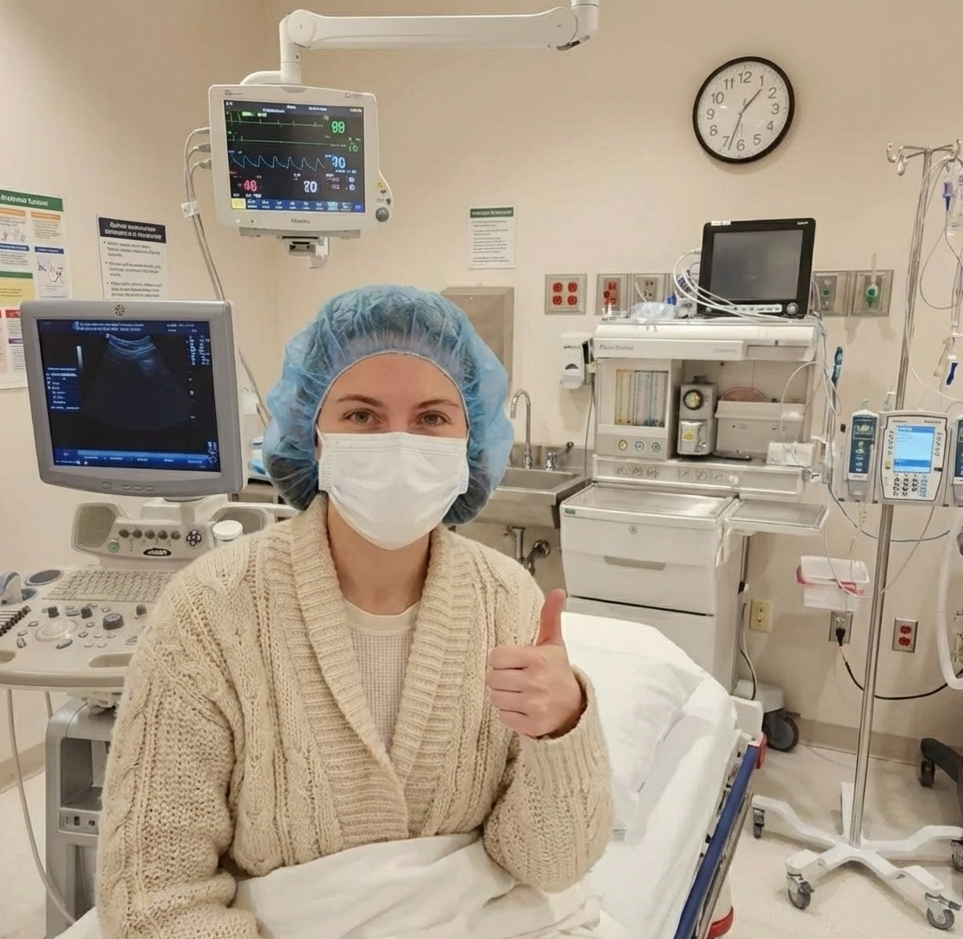
Once contracts are completed, the surrogate prepares for the embryo transfer through prescribed medications and clinic visits. A healthy embryo, created through IVF, is placed into the surrogate’s uterus through a simple, painless procedure.
Two weeks later, the surrogate returns for a pregnancy test. When the result comes back positive, the journey officially moves into the pregnancy stage.
Pregnancy Care — The Key That Carries the Journey Forward
During pregnancy, the surrogate receives ongoing support from the agency, intended parents, and her medical team. She attends prenatal appointments, follows her doctor’s guidance, and communicates updates to the family.
This phase often becomes the heart of the experience. Many surrogates say this is when they feel the deepest sense of purpose, knowing they’re helping another family grow.
Delivery Day — The Final Key in the Surrogacy Process
Delivery day marks the emotional peak of the entire surrogacy journey. Intended parents are often present at the hospital so they can meet their baby immediately. Hospitals follow a clear plan to ensure the surrogate receives proper care and the family welcomes their child safely.
After birth:
• The baby goes directly to the intended parents
• Legal documents are finalized
• The surrogate receives postpartum care
• Families celebrate the long-awaited moment
Many surrogates maintain long-term relationships with the families they helped, staying connected through gratitude and shared memories.
FAQs About the Key Stages of Surrogacy
How does surrogacy work from beginning to end?
The process follows several steps: application, medical screening, matching, legal contracts, IVF, pregnancy, and delivery.
How much can I make as a surrogate?
Compensation varies by state and experience, but most surrogates earn between $45,000 and $65,000 plus additional benefits.
What are the requirements to become a surrogate?
You need at least one previous healthy pregnancy, stable health, and must meet the age and lifestyle guidelines set by surrogacy professionals.
Conclusion
When people ask what is surrogate key, they’re usually trying to understand the key steps that define the surrogacy process. These steps—application, screening, matching, legal agreements, IVF, pregnancy care, and delivery—shape the entire journey and build a strong foundation for both surrogates and intended parents. With clear guidance and steady support, surrogacy becomes a hopeful and meaningful path that leads to the beautiful moment when a family welcomes their child.