Yunda Logo
Surrogate Medical Screening Process: Tests, Timeline, and Clinic Clearance
Medical & Health Related 12 min read Updated August 19, 2026

Surrogate Medical Screening Process: Tests, Timeline, and Clinic Clearance

yunda August 19, 2026 Reviewed by Kayla Luo

Quick Answer

Learn how the surrogate medical screening process works, including records review, lab tests, uterine evaluation, timeline, and clinic clearance.

Questions this guide helps answer

What screening processes do surrogates undergo?

Surrogates typically undergo medical-history review, pregnancy-record review, laboratory testing, infectious-disease screening, and uterine evaluation. The broader screening process may also include psychological evaluation and agency eligibility review. Exact requirements vary by fertility clinic and individual medical history.

How long does surrogate screening take?

There is no universal screening timeline. Medical-record collection, clinic appointments, laboratory processing, menstrual-cycle timing, and additional testing can all affect how long medical clearance takes. The fertility clinic should provide the most accurate timeline for the individual case.

What tests are included in surrogate medical screening?

Testing may include infectious-disease screening, blood type and Rh testing, immunity assessment, urine testing, and other clinic-directed laboratory work. Medical records and the uterine cavity are also commonly evaluated before final clinic clearance.

What happens if a surrogate has an abnormal test result?

An abnormal result may require confirmation, repeat testing, treatment, or additional medical evaluation. Some findings may only delay clearance, while others may lead the fertility clinic to determine that proceeding is not medically appropriate. The outcome depends on the specific finding and medical review.

The surrogate medical screening process helps a fertility clinic determine whether a gestational carrier candidate is medically appropriate to move toward embryo transfer. Screening commonly includes review of medical and pregnancy records, laboratory testing, infectious-disease screening, preconception evaluation, and assessment of the uterine cavity.

Requirements vary by fertility clinic and individual medical history. Passing screening means a clinic has cleared the candidate under its current protocol; it does not guarantee implantation, pregnancy, live birth, or an uncomplicated pregnancy.

Intended parents who want to understand where screening fits into the complete journey can also review Yunda’s surrogacy process for intended parents.

Quick Answer

The surrogate medical screening process evaluates a candidate’s medical history, previous pregnancies, laboratory results, infectious-disease risks, and uterine health before embryo transfer. A fertility clinic reviews the results and decides whether the candidate can move forward. Screening can help identify medical concerns, but it cannot eliminate all pregnancy or treatment risks.

Key Takeaways

  • Surrogate medical screening usually involves medical records, pregnancy history, laboratory testing, and uterine evaluation.
  • The fertility clinic—not the surrogacy agency—makes the final medical-clearance decision.
  • Previous pregnancy and delivery records are important because clinics evaluate how a candidate handled prior pregnancies.
  • There is no universal screening timeline; records, scheduling, tests, and follow-up evaluations can affect timing.
  • Medical clearance does not guarantee embryo-transfer success or pregnancy.
  • Medical, psychological, legal, insurance, and agency reviews are related but separate parts of the surrogacy process.

What Is the Surrogate Medical Screening Process?

Medical screening for surrogacy is a clinical evaluation completed before a prospective gestational carrier moves toward embryo transfer.

The purpose is to determine whether pregnancy and the fertility treatment plan appear medically appropriate for the individual candidate. A clinic may review prior pregnancies, delivery history, current health conditions, medications, laboratory results, reproductive health, and other factors that could affect treatment or pregnancy.

For intended parents, screening is an important risk-management step because it provides additional medical information before the journey advances toward embryo transfer.

For prospective surrogates, screening provides an opportunity for qualified healthcare professionals to evaluate whether another pregnancy appears appropriate based on their individual health and pregnancy history.

Candidates who are still at the early qualification stage can review Yunda’s surrogate eligibility requirements before formal clinic screening begins.

Medical screening is designed to reduce avoidable risk. It cannot remove every risk associated with fertility treatment or pregnancy.

What Does Surrogate Medical Screening Include?

The exact surrogate medical screening process varies by fertility clinic, but several areas are commonly evaluated.

Screening StepWhat May Be ReviewedWhy It Matters
Medical historyConditions, medications, surgeriesIdentifies health considerations
Pregnancy recordsPrenatal care, deliveries, complicationsReviews previous pregnancy outcomes
Physical evaluationGeneral and reproductive healthAssesses medical readiness
Laboratory testingBlood and urine testsIdentifies health or infection concerns
Preconception testingBlood type, immunity and other testsSupports pregnancy planning
Uterine evaluationUterine cavity and reproductive anatomyHelps assess transfer readiness
Final medical reviewRecords and test resultsSupports clinic-clearance decision

Medical and Pregnancy Record Review

A fertility clinic commonly reviews a surrogate candidate’s previous medical and pregnancy records before granting clearance.

Records may include:

  • Prenatal records
  • Delivery reports
  • C-section records, if applicable
  • Pregnancy complications
  • Surgical history
  • Current medications
  • Relevant medical diagnoses

Previous pregnancy history matters because a clinic needs to understand whether another pregnancy appears medically appropriate.

A past C-section, pregnancy complication, surgery, or medical condition does not always lead to the same decision at every fertility clinic. The significance of each factor depends on the candidate’s complete medical history and the clinic’s protocol.

This is why medical records are more important than an application questionnaire alone. A fertility specialist needs enough documentation to make an informed decision.

Prospective candidates can also review Yunda’s more detailed surrogate requirements before moving into clinic screening.

Infectious-Disease and Laboratory Testing

Laboratory testing is another important part of surrogate medical screening.

Depending on the fertility clinic and current professional guidance, testing may include screening for infectious diseases and other health factors that could affect pregnancy or embryo transfer.

Testing may address conditions such as:

  • HIV
  • Hepatitis B
  • Hepatitis C
  • Syphilis
  • Gonorrhea
  • Chlamydia

A spouse or partner may also need testing in some situations.

Exact testing requirements vary. Surrogate candidates should follow the fertility clinic’s instructions rather than relying on a general online checklist.

An abnormal or unclear laboratory result also does not always mean that a candidate is permanently unable to proceed. Depending on the result, a clinic may request confirmation, treatment, repeat testing, or another medical evaluation before making a final decision.

Preconception and Uterine Evaluation

A fertility clinic may also perform or request additional preconception testing.

This may include:

  • Blood type and Rh factor
  • Immunity testing
  • Urine drug screening
  • Age- or history-appropriate health evaluations
  • Other clinic-directed laboratory tests

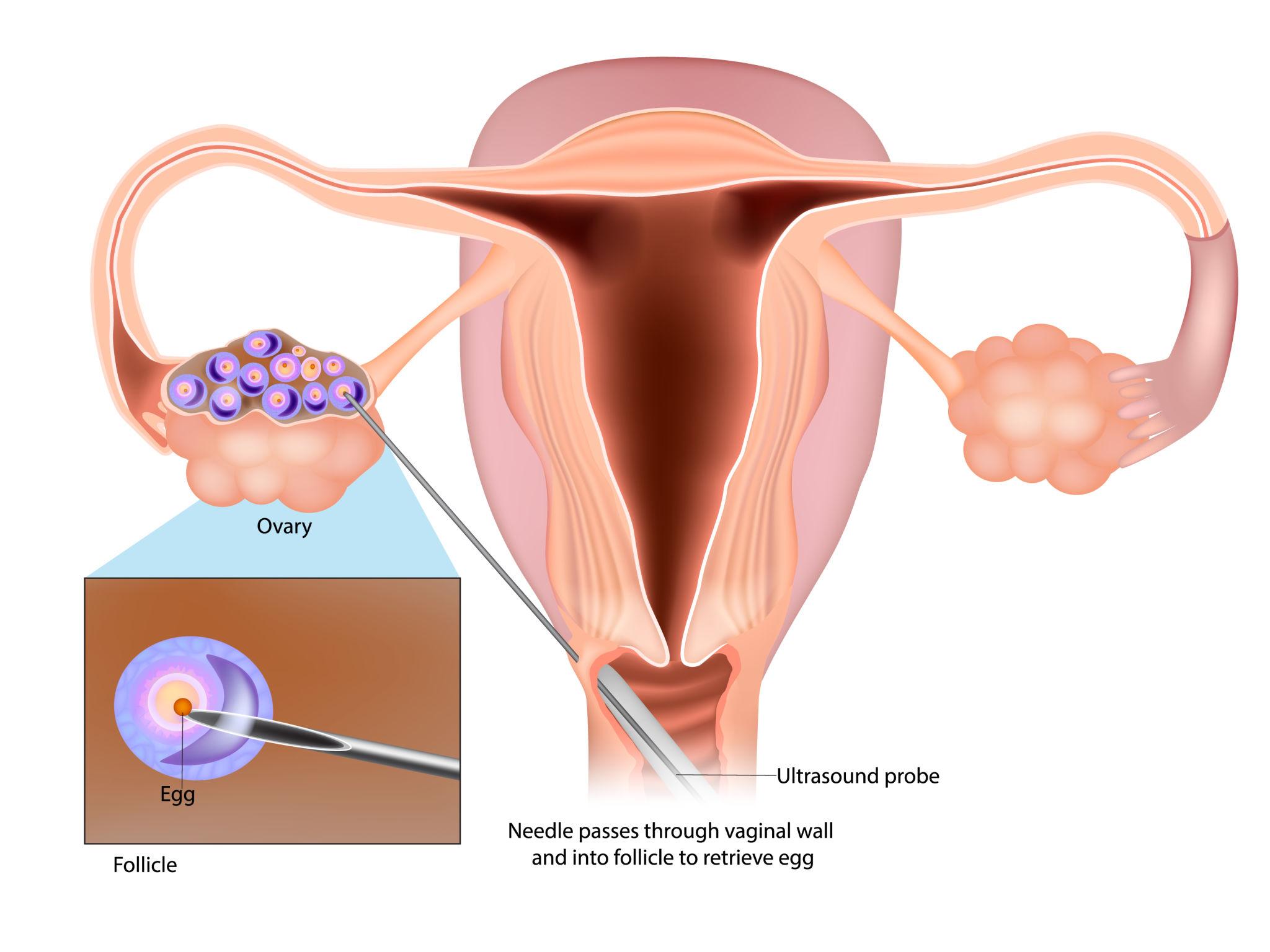
The uterine cavity also needs to be evaluated before embryo transfer.

Depending on the fertility clinic, this may involve ultrasound-based imaging, saline-infusion sonography, or another medically appropriate method.

The goal is to identify findings that could affect embryo-transfer planning or pregnancy.

If an evaluation identifies something that requires additional attention, the clinic may request further testing or treatment before providing medical clearance.

A finding on imaging does not automatically determine whether a surrogate can move forward. A qualified fertility specialist must interpret the result in the context of the candidate’s overall medical history.

How Long Does Surrogate Medical Screening Take?

There is no single national timeline for surrogate medical screening.

The time required depends on several factors:

Timeline FactorPossible Effect
Medical-record collectionMissing pregnancy records may delay review
Clinic schedulingAppointments depend on availability
Laboratory processingResults must be completed and reviewed
Menstrual-cycle timingSome evaluations may require specific timing
Follow-up testingAdditional results may be needed
Medical findingsFurther evaluation may delay clearance

One of the most common reasons screening takes longer than expected is incomplete medical documentation. Pregnancy and delivery records may need to be obtained from multiple hospitals, clinics, or healthcare providers.

Some candidates may also need repeat testing or additional evaluation before the fertility clinic can make a final decision.

Because there is no universal timeline, intended parents and surrogate candidates should ask the fertility clinic directly:

  1. Have all medical records been received?
  2. Which screening appointments still need to be completed?
  3. Are any tests tied to the menstrual cycle?
  4. Are any results still pending?
  5. When will the physician perform the final review?

For a broader view of how screening fits into matching, legal work, embryo transfer, pregnancy, and delivery, see Yunda’s surrogacy process and timeline.

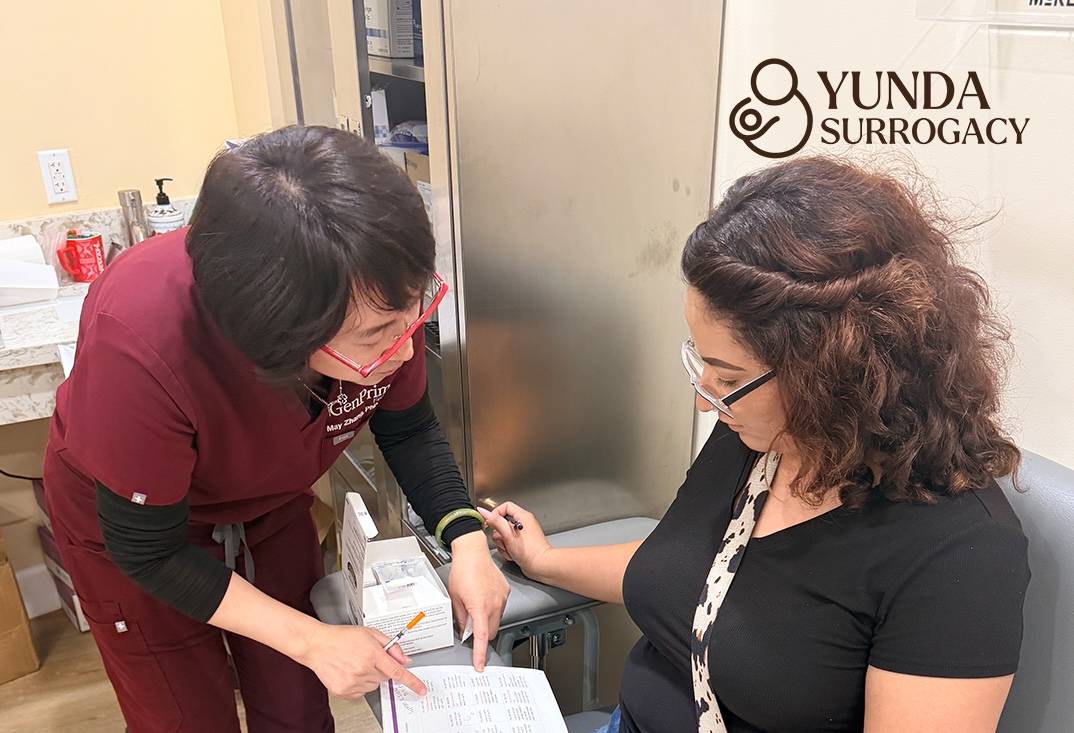
Surrogacy article image: Surrogate Medical Screening Process: Tests, Timeline, and Clinic ClearanceWhat Does Clinic Clearance Mean?

Clinic clearance means the fertility clinic has reviewed the surrogate candidate’s medical information and determined that she can proceed under that clinic’s current medical protocol.

It does not mean that every step of the surrogacy journey is complete.

Medical clearance may occur while psychological evaluation, legal agreements, insurance review, escrow preparation, or other coordination is still underway.

It is also important to separate agency eligibility from medical clearance.

A surrogacy agency may review whether a candidate appears to meet program requirements, but the fertility clinic and qualified medical professionals are responsible for deciding whether she is medically appropriate to proceed with treatment.

Medical clearance also does not guarantee:

  • Successful embryo implantation
  • Pregnancy
  • Live birth
  • An uncomplicated pregnancy

It simply confirms that the fertility clinic considers the candidate medically appropriate to continue under its protocol at that point in the process.

What Happens If a Surrogate Does Not Pass Medical Screening?

If a candidate is not medically cleared, the next step depends on the reason.

A fertility clinic may determine that a finding:

  • Needs additional medical records
  • Requires repeat testing
  • Should be treated before reconsideration
  • Requires evaluation by another specialist
  • Temporarily delays the process
  • Makes proceeding medically inappropriate

Not every screening concern results in permanent disqualification.

For example, an unclear test result may require confirmation before the clinic makes a final decision. Other findings may require treatment or further evaluation.

However, some medical concerns may lead the fertility specialist to determine that another pregnancy would not be appropriate for the candidate.

In those situations, the medical decision should be respected. An agency or intended parent should not attempt to override a fertility clinic’s clinical judgment.

For surrogate candidates, the most important question is not only whether a result affects the surrogacy journey, but also what the finding means for their personal health.

Is Psychological Screening the Same as Medical Screening?

No. Psychological screening is part of the broader surrogacy screening process, but it is different from medical clearance.

Medical screening focuses on physical health, pregnancy history, laboratory results, and reproductive readiness.

Psychological evaluation may address areas such as:

  • Understanding of the surrogacy process
  • Expectations about the journey
  • Emotional readiness
  • Support systems
  • Communication
  • Potential emotional challenges

Medical, psychological, legal, insurance, and agency screening may happen during the same general phase, but each serves a different purpose.

Keeping these steps separate helps intended parents and surrogate candidates understand who is responsible for each decision.

Why Medical Screening Matters for Intended Parents

For intended parents, surrogate screening is an important decision-protection step.

It helps confirm that the fertility clinic has reviewed a candidate’s medical information before the journey moves closer to embryo transfer.

Before moving forward, intended parents should know:

  • Whether pregnancy and delivery records have been reviewed
  • Whether all required laboratory tests are complete
  • Whether additional medical testing is needed
  • Whether the clinic has issued final medical clearance
  • Whether psychological screening is complete
  • When legal agreements should begin
  • What happens if a test must be repeated

Intended parents should also remember that medical screening is only one part of total journey planning.

Legal work, insurance review, newborn coverage, escrow, travel, embryo-transfer preparation, and pregnancy-related expenses may also need to be coordinated.

Readers planning the broader journey can continue with Yunda’s intended parent surrogacy guide.

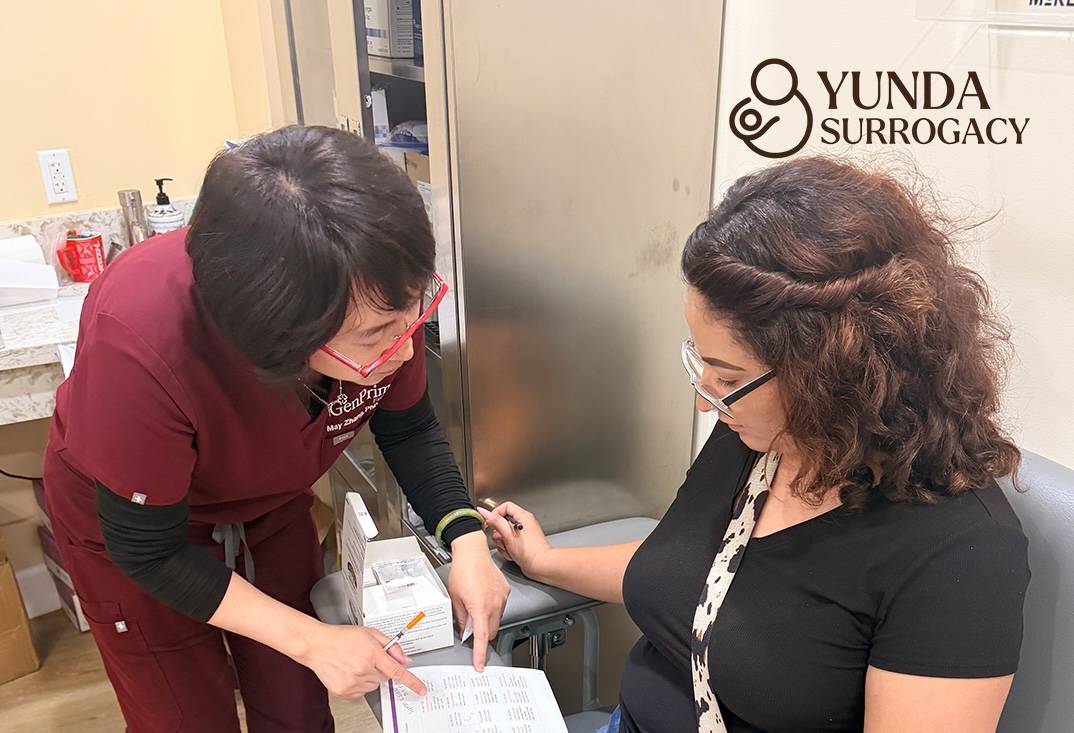
Surrogacy article image: Surrogate Medical Screening Process: Tests, Timeline, and Clinic Clearance 2What Should Surrogate Candidates Expect?

A prospective surrogate should understand why each test is being performed and what happens after the results are reviewed.

Before or during screening, she may want to ask:

  • What medical records are required?
  • Will my partner need testing?
  • What laboratory tests will I complete?
  • Will I need uterine imaging?
  • Are there medication instructions?
  • Will travel be required?
  • Who receives my medical results?
  • What happens if additional testing is needed?
  • Who makes the final clearance decision?

Clear communication helps a candidate understand the process without reducing her role to simply “passing” a screening checklist.

Women interested in moving beyond the screening stage can learn more about how to become a surrogate with Yunda.

How Yunda Supports the Medical Screening Process

Yunda Surrogacy can help coordinate the non-medical steps surrounding screening and clinic clearance.

Depending on the journey, this may include:

  • Helping organize required records
  • Coordinating communication with the fertility clinic
  • Tracking screening milestones
  • Helping with appointment or travel coordination
  • Clarifying upcoming steps
  • Supporting the transition into legal, insurance, escrow, and treatment stages

Readers can also review Yunda’s dedicated information about the surrogate screening process.

Yunda does not replace a fertility clinic or licensed healthcare professional. Medical eligibility, testing, treatment, and clinic clearance should be determined by qualified healthcare providers.

Questions to Ask Before Moving Forward

Before considering medical screening complete, intended parents and surrogate candidates should confirm:

  1. Has the clinic received all pregnancy and delivery records?
  2. Are all required laboratory tests complete?
  3. Does a spouse or partner need testing?
  4. Has the uterine evaluation been completed?
  5. Are any results still pending?
  6. Has the fertility clinic issued medical clearance?
  7. Is psychological screening complete?
  8. What is the next step after clearance?

These questions can help prevent confusion before legal agreements and embryo-transfer preparation begin.

Frequently Asked Questions

What screening processes do surrogates undergo?

Surrogates typically undergo medical-history review, pregnancy-record review, laboratory testing, infectious-disease screening, and uterine evaluation. The broader screening process may also include psychological evaluation and agency eligibility review. Exact requirements vary by fertility clinic and individual medical history.

How long does surrogate screening take?

There is no universal screening timeline. Medical-record collection, clinic appointments, laboratory processing, menstrual-cycle timing, and additional testing can all affect how long medical clearance takes. The fertility clinic should provide the most accurate timeline for the individual case.

What tests are included in surrogate medical screening?

Testing may include infectious-disease screening, blood type and Rh testing, immunity assessment, urine testing, and other clinic-directed laboratory work. Medical records and the uterine cavity are also commonly evaluated before final clinic clearance.

What happens if a surrogate has an abnormal test result?

An abnormal result may require confirmation, repeat testing, treatment, or additional medical evaluation. Some findings may only delay clearance, while others may lead the fertility clinic to determine that proceeding is not medically appropriate. The outcome depends on the specific finding and medical review.

Does medical clearance guarantee a successful embryo transfer?

No. Medical clearance means the fertility clinic has determined that a candidate can proceed under its protocol. It does not guarantee successful implantation, pregnancy, live birth, or an uncomplicated pregnancy.

Who decides whether a surrogate is medically cleared?

The fertility clinic and qualified medical professionals make the medical-clearance decision. A surrogacy agency may coordinate records, appointments, and communication, but it should not replace a physician’s medical judgment.

Is psychological screening part of surrogate screening?

Yes, psychological evaluation is commonly part of the broader surrogacy screening process, but it is separate from medical clearance. It may assess expectations, emotional readiness, support systems, communication, and understanding of the surrogacy journey.

Final Thoughts

The surrogate medical screening process helps fertility clinics evaluate whether a gestational carrier candidate is medically appropriate to move toward embryo transfer.

The core process usually involves reviewing medical and pregnancy records, completing laboratory testing, evaluating preconception health, and assessing the uterine cavity.

There is no universal timeline, and additional testing may sometimes be required before final clinic clearance.

Most importantly, medical clearance is an evaluation—not a guarantee. It cannot guarantee implantation, pregnancy, live birth, or an uncomplicated pregnancy.

Intended parents can review Yunda’s surrogacy process for intended parents to understand what happens after screening. Prospective candidates can review surrogate eligibility requirements or learn how to become a surrogate.

Medical Disclaimer

This article is for general educational purposes only and is not medical advice, diagnosis, or treatment. Surrogate eligibility, medical screening, testing, treatment, and clinic clearance must be determined by qualified healthcare professionals and the responsible fertility clinic.

Requirements may vary according to individual medical history, fertility-clinic protocol, and current professional guidance. No screening process can guarantee embryo-transfer success, pregnancy, live birth, or an uncomplicated pregnancy.

Ready to send your inquiry?

Use this guide to prepare better questions, then submit the intended parent or surrogate candidate inquiry form so Yunda can understand your situation and follow up with the right next step.

Reviewed for Yunda readers

Yunda reviews educational content so intended parents and surrogate candidates can prepare clearer consultation questions.

Kayla Luo · Reviewed by