
The 7 Most Asked Questions About Becoming an Egg Donor
Becoming an egg donor is a generous act that helps families achieve their dream of having a child. Many women feel called to explore this path, but they often have questions before they take the first step. At Yunda Surrogacy, we believe every potential donor deserves clear, honest answers.
In this guide, we’ll address the 7 most asked questions about becoming an egg donor. You’ll learn what’s required, how the process works, what to expect, and how Yunda supports you through every stage.
1. What Are the Basic Egg Donor Requirements?
Every agency sets standards, but the foundation stays the same. To become an egg donor, you must meet age, health, and lifestyle criteria.
Most programs accept donors between 21 and 32 years old. You should maintain a healthy body mass index (BMI), have regular menstrual cycles, and avoid smoking or recreational drugs.
Donors also undergo medical screening to check fertility health, hormone levels, and family history. Psychological evaluations ensure emotional readiness. At Yunda Surrogacy, we support our donors through each step so they understand every part of the process.
2. How Does the Egg Donation Process Work?
The process starts with an online application and an in-depth screening. Once approved, you enter the matching stage where intended parents review your profile.
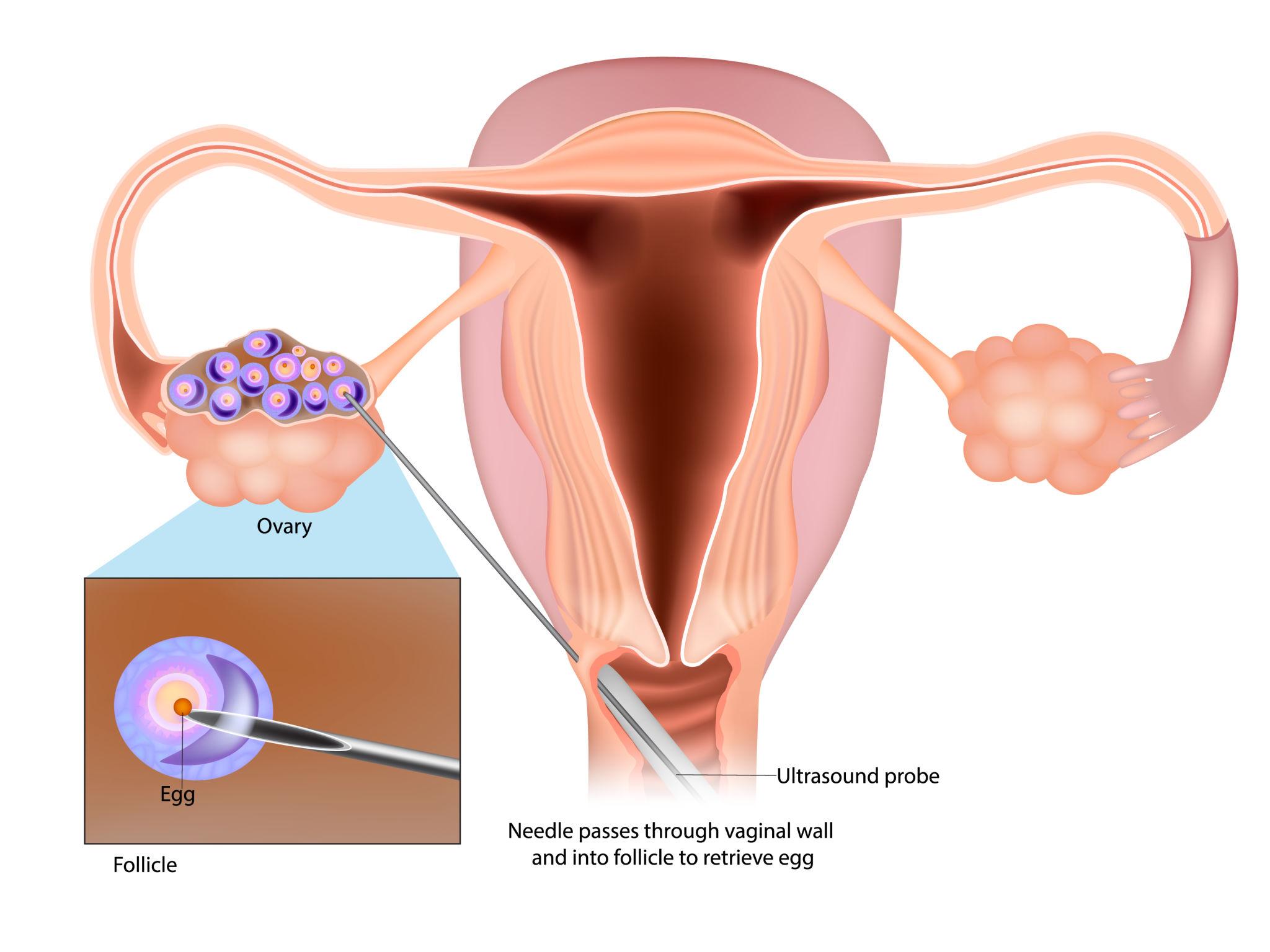
After a match, fertility specialists guide you through IVF hormone injections that help your ovaries produce multiple mature eggs. The retrieval itself takes about 20 minutes and happens under light sedation.
From start to finish, the process usually takes six to eight weeks. At Yunda, you receive clear communication at each stage — no surprises, only support.
3. How Much Do Egg Donors Get Paid?
Compensation reflects your time, effort, and dedication. On average, egg donors receive $8,000 to $15,000 per cycle, depending on location, experience, and profile traits.
Yunda Surrogacy offers transparent pay structures. We make sure donors know their compensation before starting and help with travel costs, medical coverage, and time off if needed.
Remember, compensation isn’t a reward for your eggs — it’s recognition for your time and commitment.
4. Does Donating Eggs Affect Fertility?
Many first-time donors worry about long-term health. Medical experts confirm that egg donation does not affect fertility when done properly.
During each cycle, women naturally produce multiple eggs, but only one matures. Egg donation safely retrieves several eggs that would otherwise not develop.
Side effects from hormone medications are usually mild, such as bloating or fatigue, and they go away quickly. Yunda’s medical team monitors every donor to protect her health and ensure full recovery.
5. What Disqualifies You from Being an Egg Donor?
Agencies look for healthy candidates who meet both physical and emotional requirements. You might be disqualified if you:
• Have a BMI outside of the healthy range (18–28)
• Use tobacco, drugs, or excessive alcohol
• Have untreated mental health conditions
• Carry genetic diseases that could affect a child
• Cannot commit to appointments or travel
Honesty matters most. At Yunda Surrogacy, we believe transparency builds trust. Our coordinators work with each applicant to determine if she qualifies — no judgment, only guidance.
6. How Many Times Can You Donate Eggs?
You can usually donate eggs up to six times in your lifetime. Most agencies require at least three months between donations to allow your body to recover.
Frequent donors often form strong relationships with their agencies and medical teams. Yunda Surrogacy tracks donation history carefully, ensuring that every cycle happens safely and responsibly.
Donors who follow medical guidance can donate multiple times without affecting future fertility or overall health.
7. What Happens After Egg Retrieval?
After retrieval, you rest for a few hours at the clinic. Most donors return to work or school the next day. Some experience mild cramping or spotting, which passes quickly.
Yunda’s care team checks in after your procedure to make sure you’re comfortable. We provide post-retrieval instructions, 24-hour contact support, and optional wellness consultations to promote quick recovery.
Our goal is simple: make every donor feel appreciated, safe, and cared for.
Yunda’s Customer Information: How Yunda Surrogacy Guides Every Egg Donor
Yunda Surrogacy believes knowledge empowers women. We design every step of our egg donor program around clarity and compassion.
Our customer information includes:
• A step-by-step guide on how egg donation works
• Transparent compensation details
• Legal and medical protections for donors
• Emotional support and counseling sessions
We treat every donor as a valued partner in creating life. Yunda’s team handles travel, medical scheduling, and recovery care so you can focus on your health and peace of mind.
FAQ Section
1. How long does the egg donation process take?
It usually takes six to eight weeks from approval to retrieval. Timing can vary depending on your cycle and scheduling with the intended parents.
2. Can you donate eggs while on birth control?
Yes, but some forms — especially hormonal implants or IUDs — may need removal before starting fertility medication. Yunda’s doctors review your situation and provide clear guidance.
3. How much can I make as a surrogate?
Surrogates earn more than donors, but both receive fair pay for their dedication. At Yunda Surrogacy, compensation for surrogates typically ranges from $50,000 to $80,000, depending on experience and location.
Final Thoughts: Yunda Surrogacy’s Promise to Donors
Becoming an egg donor is a brave and compassionate choice. It gives hope to families who dream of children. At Yunda Surrogacy, we make sure you always feel informed, respected, and supported from your first call to your last appointment.
Our promise is clear — your safety, your comfort, and your confidence come first.
If you’re ready to learn more, reach out to Yunda Surrogacy today and start your journey with a team that truly cares.