

Quick Answer
Questions this guide helps answer
What states is surrogacy illegal?
Is surrogacy legal in California?
Is insurance required for surrogacy?
Introduction
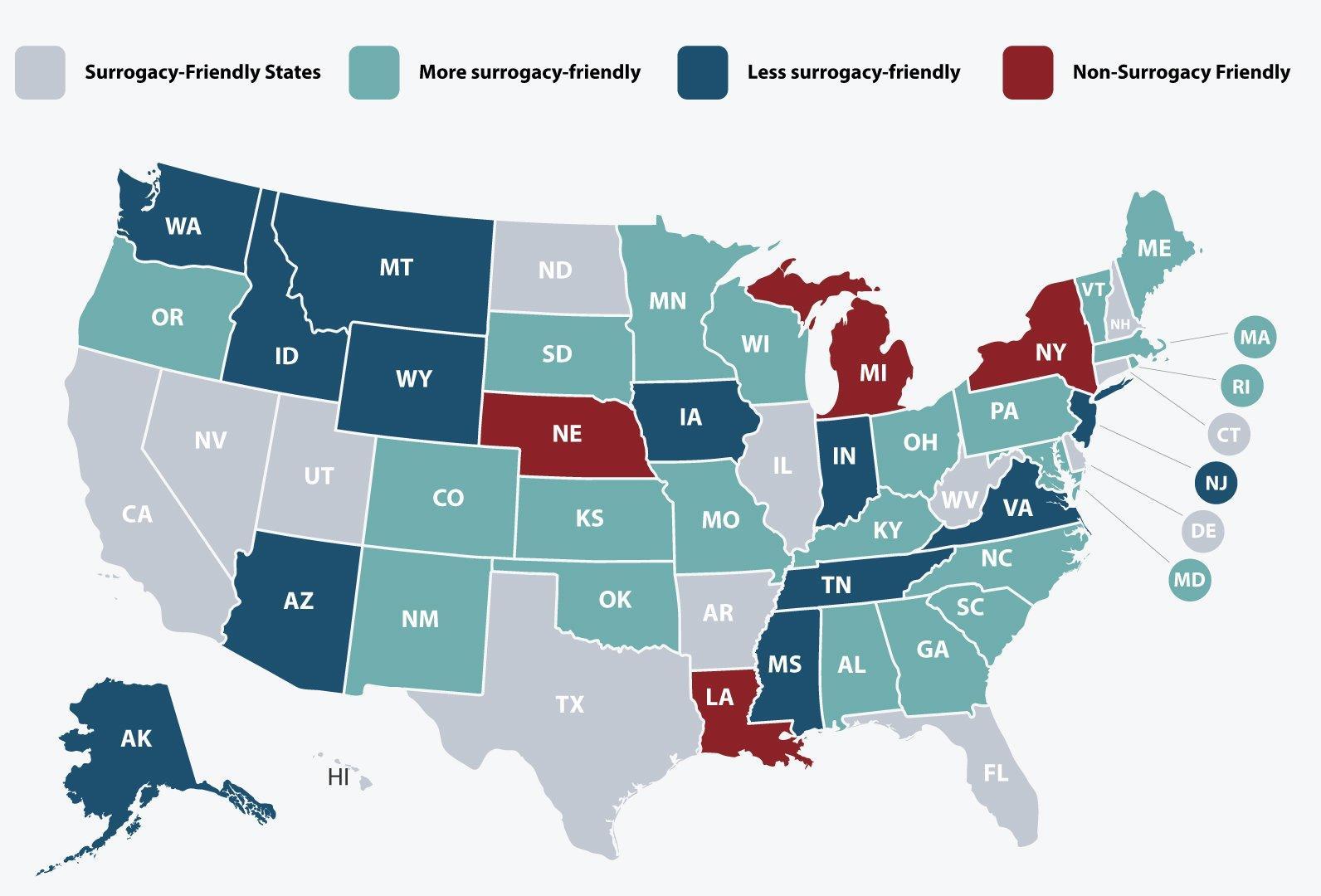
Before starting a surrogacy journey, one of the most important questions intended parents ask is what states is surrogacy illegal. Surrogacy laws in the United States are not the same everywhere. Some states fully support surrogacy, while others restrict or complicate the process.
Understanding these differences early can save time, money, and emotional stress. This guide explains how surrogacy laws work across the U.S., how states like California, Georgia, and Illinois approach surrogacy, and why choosing the right surrogacy program matters.
Surrogacy Laws in the United States
There is no single federal law governing surrogacy. Each state sets its own rules, which is why legal outcomes can vary widely.
In general, states fall into three broad categories:
• States that actively support surrogacy with clear legal frameworks
• States with limited or unclear surrogacy laws
• States where certain forms of surrogacy are restricted or discouraged
When people search what states surrogacy is illegal, they are often trying to avoid legal uncertainty rather than find a specific ban.
California Surrogacy Laws
California is widely considered one of the most surrogacy friendly states in the country. California surrogacy laws allow enforceable contracts, clear parentage orders, and inclusive access for all family types.
Surrogacy Los Angeles CA remains one of the most active surrogacy hubs in the United States. Intended parents often choose surrogacy Los Angeles CA, Orange County surrogacy agency options, or surrogacy San Diego programs because California offers:
• Enforceable surrogacy contracts
• Pre birth parentage recognition
• Strong legal protection for surrogates and intended parents
• Established IVF clinics and experienced legal professionals
These advantages explain why surrogacy Los Angeles CA appears so frequently in surrogacy research.
Surrogacy in Georgia and Illinois
Outside California, surrogacy laws require closer attention.
Surrogacy in Georgia, including Atlanta surrogacy programs, is generally permitted but relies heavily on proper legal contracts and experienced counsel. While not as structured as California, Georgia remains a viable option with the right guidance.
Surrogacy in Illinois is more clearly regulated, particularly for gestational surrogacy. Intended parents working with a surrogate Illinois programs benefit from state statutes that recognize gestational surrogacy agreements when properly drafted.
Types of Surrogacy and Legal Impact
Understanding the types of surrogacy helps explain why laws differ by state.
There are two primary types:
• Traditional surrogacy
• Gestational surrogacy
Traditional surrogacy uses the surrogate’s own egg. Many people still ask what is traditional surrogacy, but this method carries more legal and emotional complexity and is restricted in some states.
Gestational surrogacy uses an embryo created through IVF and is the preferred option in most surrogacy programs because it offers clearer legal boundaries. When comparing traditional vs gestational surrogacy, most agencies strongly recommend gestational arrangements.
Gestational Surrogacy Process
The gestational surrogacy process is medically and legally structured.
It usually includes:
• Medical screening and matching
• IVF and embryo creation
• Embryo transfer
• Ongoing pregnancy care
• Birth and parentage confirmation
This process functions most smoothly in states with established surrogacy laws such as California and Illinois.
Does Insurance Cover Surrogacy
Insurance is often misunderstood in surrogacy planning.
Many families ask does insurance cover surrogacy or is surrogacy covered by insurance. In most cases, coverage depends on the surrogate’s health insurance policy and state regulations.
Some plans cover pregnancy care but exclude surrogacy arrangements. Others require additional surrogacy medical insurance or supplemental coverage. Reviewing insurance early is critical to avoid unexpected costs.
Surrogacy Programs and Agencies
 Choosing the right surrogacy program is just as important as choosing the right state.
You may see names like global surrogacy inc, roots surrogacy, growing generations, or read growing generations reviews during your research. While reviews matter, transparency, legal expertise, and long term support matter more.
Yunda Surrogacy stands out as a program that prioritizes legal compliance, ethical standards, and full journey support. Yunda works closely with surrogacy friendly states such as California and coordinates experienced legal teams to ensure contracts are properly structured.
Families choosing Yunda Surrogacy benefit from:
• Clear explanation of surrogacy agency fees
• Strong focus on California surrogacy laws
• Structured coordination in surrogacy Los Angeles CA and surrogacy San Diego
• Legal and medical guidance from start to delivery
This level of support helps reduce legal risk and creates a smoother experience for intended parents and surrogates alike.
Why Location Matters
The answer to what states is surrogacy illegal often comes down to risk management. States with unclear or restrictive laws can delay parentage or increase legal expenses.
Starting in a surrogacy friendly state and working with an experienced program greatly reduces uncertainty and stress throughout the journey.
FAQ
What states is surrogacy illegal?
Some states restrict or discourage certain forms of surrogacy, especially traditional surrogacy. Laws vary, so legal guidance is essential.
Is surrogacy legal in California?
Yes. California surrogacy laws are among the most supportive in the United States.
Is insurance required for surrogacy?
Yes. Insurance planning is essential, and coverage varies by policy and state.
Conclusion
Surrogacy laws in the United States vary widely, which is why understanding where surrogacy is legal or restricted is so important. States like California provide strong legal protection, while others require careful legal planning.
By choosing a surrogacy friendly location and a reputable program like Yunda Surrogacy, intended parents can move forward with greater confidence and clarity.
Reviewed for Yunda readers
Keep reading
Related Posts

Is Surrogacy Legal in California? What Surrogates Should Know Before Signing a Contract
2026 Surrogacy Law Map: States That Protect Intended Parents