California Guide

California-focused guidance for intended parents and surrogates.
People often ask: "Is surrogacy legal in California?" "How does the surrogacy process differ by state?" The reality is that timelines and legal steps can change based on state law, court practices, and clinic workflows. For intended parents planning surrogacy in California—a clear legal roadmap helps prevent delays in parentage, pre-birth orders (PBO), and contract milestones. This video explains what usually changes between states, what stays consistent, and what to confirm early so your journey stays predictable and protected.


A strong contract clarifies medical decision-making, compensation and reimbursements, confidentiality, and what happens in unexpected situations—which is especially important in California surrogacy where legal milestones often align with escrow schedules and clinic timing. This video breaks down the key components of a standard agreement and the most important questions to ask your California surrogacy attorney before signing.
A third-party escrow account protects both intended parents and surrogates by holding funds securely and releasing payments based on clearly defined milestones—rather than informal transfers. In California , aligning contract terms + clinic steps + escrow release timing is key to avoiding payment disputes and stress during the journey. This video explains how surrogate compensation is typically managed through escrow and what to confirm before you start.


Surrogacy insurance planning can involve surrogate maternity coverage, exclusions, waiting periods, hospital billing, and newborn coverage timing. For journeys in California, and the Bay Area—ART-related insurance guidance can help reduce unexpected costs and prevent last-minute surprises. This video explains how ART insurance can protect surrogate journeys and the key questions intended parents should ask before matching.
These answers summarize common legal, parentage, escrow, and ART insurance questions in California surrogacy. Specific legal, insurance, and medical decisions should be confirmed by the relevant professionals.
Yes. Gestational surrogacy is generally considered well established in California. A California journey usually involves independent legal counsel, a pre-transfer agreement, and parentage steps. Specific legal decisions should be confirmed by a qualified California surrogacy attorney.
A pre-birth order, or PBO, is a parentage step that helps establish the intended parents as the legal parents before or around birth. Timing, documents, and court requirements can vary by case, so attorneys should guide the process.
Escrow protects surrogacy payments by placing funds with a neutral third party and releasing approved payments according to agreement milestones. This creates clearer records for surrogate compensation, reimbursements, insurance premiums, and other approved expenses.
ART insurance planning reviews assisted reproduction and surrogacy-related risks, including maternity coverage, exclusions, hospital billing, newborn coverage timing, and supplemental policy needs. Actual coverage depends on the policy and professional insurance review.
California surrogacy protection often involves contracts, parentage, insurance review, escrow, and IVF clinic coordination. These reads continue that planning path.
High-impression GSC content for comparing California agencies, cost, matching, and trust factors.
Read Article →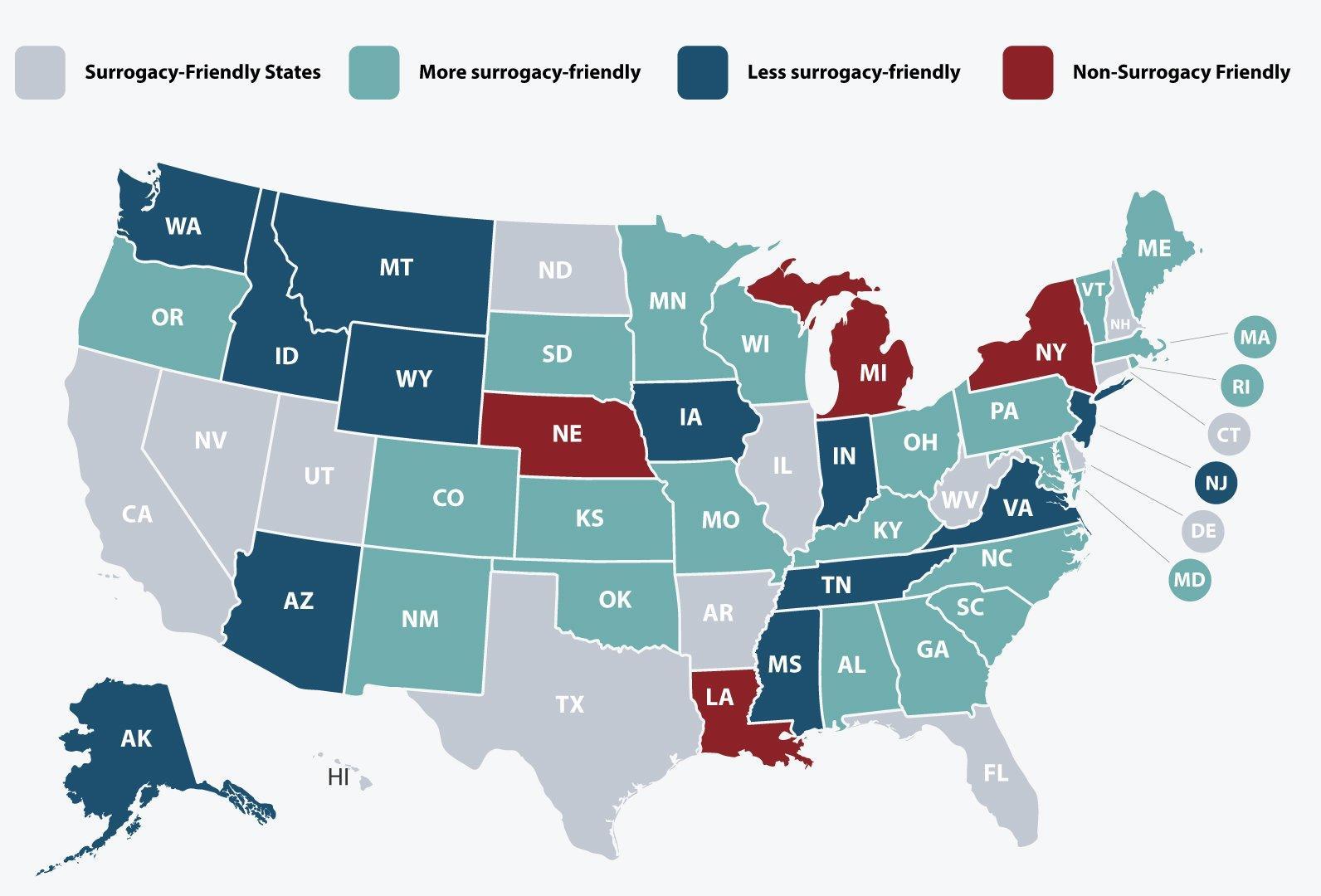
A supporting guide to state-by-state parentage, legal protection, and process differences.
Read Article →
A related read on California IVF coverage, insurance, and surrogacy budget planning.
Read Article →