

Quick Answer
Understand SB 729 plan scope and 2026 timing, then ask your insurer about IVF, donor services, surrogate treatment and separate pregnancy coverage.
California’s SB 729 can affect fertility benefits, but a California address does not by itself establish coverage. Start with your specific plan, its regulator, its contract date and the services your clinic proposes.
The DMHC implementation letter, revised February 23, 2026, distinguishes applicable large-group coverage requirements from small-group offers of coverage. AB 116 moved the relevant contract effective date to January 1, 2026. Issuance, amendment or renewal timing matters. The guidance identifies exceptions, including later timing for CalPERS contracts.
Check the plan before the treatment estimate
Ask the insurer or plan administrator:
- What is the exact product name, group number and governing plan document?
- Is it large-group, small-group, individual or another product?
- Is the employer plan fully insured or self-funded?
- Which regulator oversees this product, and does SB 729 apply to this contract?
- What is the applicable issuance, amendment or renewal date?
The NAIC explains the distinction between insured and self-funded ERISA plans. Self-funded ERISA plans are generally outside state insurance mandates. Ask the administrator to identify the funding arrangement instead of inferring it from the insurer’s logo on an identification card.
Separate fertility treatment from the rest of a surrogacy journey
The DMHC guidance addresses medically necessary fertility services, including specified services involving donors and surrogates. This should not be read as confirmation that every expense in a surrogacy journey is insured.
Review these categories separately:
| Category | Question to put to the appropriate provider |
|---|---|
| Intended parent’s evaluation and IVF | Which proposed services are benefits under this member’s plan? |
| Donor-related services or material | Whose services are covered, under which benefit and billing arrangement? |
| Carrier-related fertility treatment | How will authorization, eligibility and claims work for the proposed treatment? |
| Pregnancy and delivery | Which policy applies to the carrier’s maternity care, and what exclusions or cost sharing require review? |
| Newborn care | Who must arrange enrollment, and when must it occur? |
| Agency fees, compensation, legal work and travel | Which amounts must remain in the separately funded budget? |
A general statement that “IVF is covered” leaves most of these questions unanswered.
Request a service-by-service answer
Give the clinic’s billing team the plan details and ask for an estimate tied to the actual treatment plan. Ask the insurer which authorizations are required, which clinicians and facilities are in network, and how applicable benefit limits and member costs will be assessed.
Record the representative’s name, date and reference number. Request the relevant benefit language or written determination. If the answer is a denial, ask for the stated reason and the plan’s review or appeal instructions. An estimate or telephone discussion should not be treated as a final paid-claim amount.
Build the budget around confirmed information
Keep confirmed benefits, pending questions and privately funded expenses in separate columns. Recheck coverage if employment, plan year, clinic, carrier or treatment changes.
For a wider planning checklist, see our IVF and surrogacy insurance guide. Yunda supports education and coordination; the treating clinician and insurer determine treatment and coverage within their respective roles.
Ready to send your inquiry?
Use this guide to prepare better questions, then submit the intended parent or surrogate candidate inquiry form so Yunda can understand your situation and follow up with the right next step.
Reviewed for Yunda readers
Yunda reviews educational content so intended parents and surrogate candidates can prepare clearer consultation questions.
Kayla Luo · Reviewed by
Keep reading
Related Posts
Continue with related Yunda guides that answer nearby questions and help you compare next steps.

Is Surrogacy Legal in California? What Surrogates Should Know Before Signing a Contract
Review California Surrogacy Law for Surrogates, including surrogacy laws. See legal factors, timing, and questions to co
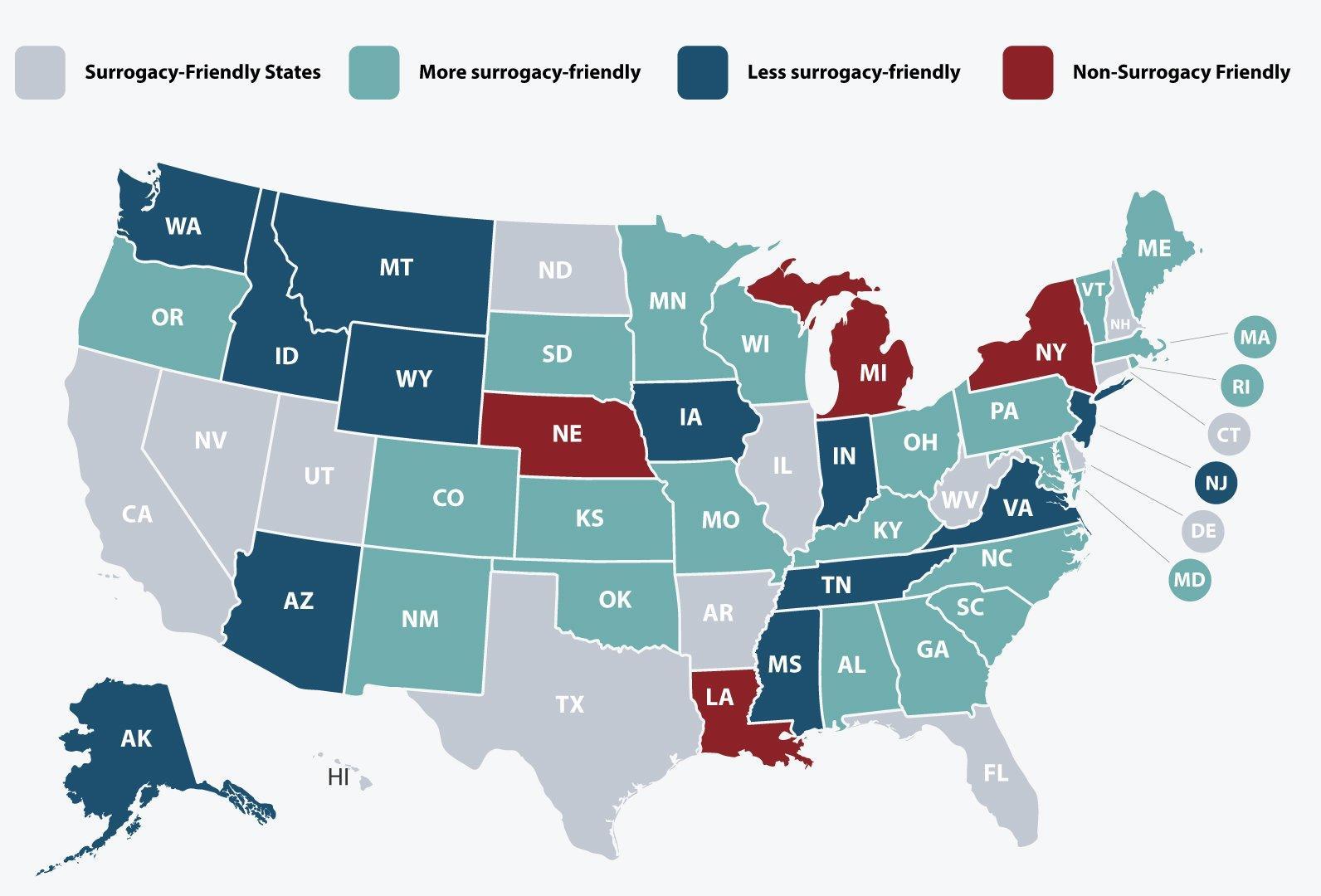
2026 Surrogacy Law Map: States That Protect Intended Parents
Compare the differences in gestational surrogacy laws across U.S. states—specifically regarding contract enforceability,

How to Choose a Surrogacy Lawyer in 2026: Questions to Ask
Interview a surrogacy lawyer about licensing, relevant experience, independent representation, parentage work, fees and