

Quick Answer
Primary guide
Compare more than the headline pay number
See the complete compensation guideHeadline pay is not the complete comparison
Direct answer: The largest advertised number does not by itself identify the best compensation package. Candidates should compare eligibility assumptions, base compensation, benefits, reimbursements, insurance support, payment timing, escrow arrangements, legal review, and the conditions attached to “up to” claims.
This article owns agency-comparison intent and points broad pay questions to /benefit. Continue with the Yunda surrogate compensation and benefits guide.
Questions covered here: highest paying surrogacy agencies, surrogacy agencies that pay the most, compare surrogate compensation packages.
Introduction
Many women begin researching surrogacy with one question: How much do surrogates get paid?
The answer seems simple until you start comparing agencies. One company advertises compensation "up to" a certain amount. Another highlights bonuses. A third focuses on insurance coverage and support services instead of headline pay numbers.
To prepare this guide, we analyzed the factors most commonly discussed by surrogates, agencies, attorneys, and fertility professionals when evaluating compensation packages. We also reviewed the most frequent questions prospective surrogates ask during the application process, including concerns about insurance, payment schedules, legal protections, and reimbursement policies.
This topic matters more than ever because compensation packages have become increasingly complex. A higher advertised number does not always translate into a better financial outcome. Hidden costs, insurance gaps, reimbursement limitations, and contract details can significantly affect a surrogate's experience.
The real decision most women are trying to make is not:
"Which agency advertises the highest pay?"
Instead, the better question is:
"Which agency provides the strongest combination of compensation, protection, transparency, and support?"
This guide will help you evaluate that decision with confidence.
Key Takeaways
Base compensation is only one part of a surrogate's total earnings package.
Insurance coverage can have a major impact on your financial protection during pregnancy.
Payment schedules, reimbursements, and escrow arrangements matter just as much as advertised compensation.
First-time and experienced surrogates may qualify for different compensation structures depending on the agency.
California remains one of the most active surrogacy markets, but higher pay should still be evaluated alongside support and legal safeguards.
Asking detailed questions before applying can help you avoid misleading compensation claims.
Methodology: How We Evaluated Surrogacy Compensation
Evaluation Criteria
We evaluated compensation opportunities using the following factors:
CriteriaWhy It MattersBase CompensationForms the foundation of earningsTotal Compensation PackageReflects actual financial valueInsurance SupportHelps reduce financial riskPayment ScheduleImproves financial predictabilityReimbursement PoliciesCovers pregnancy-related expensesLegal SupportProtects surrogate rightsEscrow ManagementSupports payment securityAgency CommunicationInfluences overall experienceSources Considered
Public agency compensation information
Industry best practices
Common surrogate application questions
Fertility and surrogacy process standards
Brand-based operational insights from Yunda's experience supporting intended parents
What Was Not Considered
Unverified marketing claims
Anonymous compensation screenshots
Agency self-rankings without methodology
Claims lacking documentation
Limitations
Compensation varies based on location, experience, insurance eligibility, medical circumstances, and contract terms. Individual offers may differ significantly.
Disclosure
This article is educational in nature. References to Yunda reflect company-provided information and experience and should not be interpreted as independent third-party verification.
What Makes a Surrogacy Agency "High Paying"?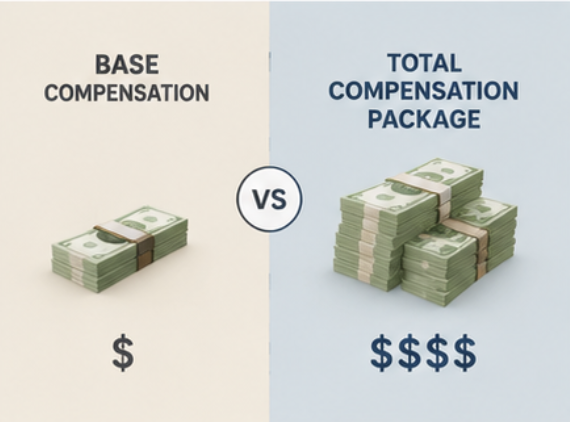
Many prospective surrogates focus exclusively on base compensation.
That approach can be misleading.
A truly competitive package often includes:
Base compensation
Monthly allowances
Maternity clothing allowance
Travel reimbursement
Childcare reimbursement
Lost wage protection
Multiples compensation
C-section compensation
Insurance assistance
Legal support
An agency offering a lower base payment but stronger reimbursement policies may ultimately provide greater overall value.
Surrogate Compensation Breakdown
Compensation ComponentPurposeBase CompensationPrimary payment for carrying the pregnancyMonthly AllowanceOngoing support during the journeyEmbryo Transfer FeeCompensation related to transfer proceduresMaternity Clothing AllowancePregnancy-related clothing expensesTravel ReimbursementApproved travel costsChildcare ReimbursementQualified childcare expensesLost Wage CoverageApproved income replacementMultiples CompensationAdditional compensation for twin pregnanciesC-Section CompensationAdditional compensation for surgical deliveryInsurance SupportAssistance navigating coverage requirementsThe most important question is not whether a payment exists.
It is whether the payment is guaranteed, conditional, or reimbursement-based.
Why Insurance Matters More Than Many Surrogates Expect
Insurance is one of the most overlooked parts of surrogate compensation.
A strong agency should help evaluate:
Existing health insurance eligibility
Surrogacy-related exclusions
Maternity coverage requirements
Potential out-of-pocket costs
Alternative insurance options if needed

What to Watch For
Ask:
Who reviews my insurance policy?
What costs are covered?
What costs may become my responsibility?
What happens if complications occur?
Insurance questions should be addressed before contracts are finalized.
California Surrogate Pay: Why It Gets So Much Attention
California is frequently associated with higher surrogate compensation opportunities.
Several factors contribute to this perception:
Established surrogacy infrastructure
High concentration of fertility clinics
Large intended parent demand
Experienced legal and medical networks
However, compensation alone should not determine where you apply.
A well-supported journey often depends on:
Agency responsiveness
Medical coordination
Insurance planning
Legal guidance
Red Flags to Watch Before Applying
Red FlagWhy It MattersCompensation advertised without breakdownsDifficult to verify actual earningsUnclear payment scheduleCreates uncertaintyLimited insurance guidanceMay increase financial riskPressure to sign quicklyReduces informed decision-makingVague reimbursement policiesCan lead to misunderstandingsPoor communication during screeningMay indicate future support issuesIf an agency cannot clearly explain compensation, insurance, and payment timing, continue asking questions before proceeding.
Practical Framework: How to Compare Surrogacy Agencies
Use this checklist when evaluating opportunities.
Compensation
What is the base compensation?
Which payments are guaranteed?
Which payments are conditional?
Insurance
Will my insurance be reviewed?
What expenses are covered?
Legal Protection
Do I receive independent legal counsel?
How are contracts explained?
Payments
Is compensation held in escrow?
When do payments begin?
Support
Who is my primary coordinator?
How quickly does the team respond?
What Customers Actually Look For
After compensation, most surrogates focus on three practical concerns:
Most Valued Factors
Transparent compensation structures
Reliable communication
Insurance support
Legal protection
Respectful treatment
Common Red Flags
Overly aggressive recruiting
Unclear financial explanations
Delayed responses
Hidden reimbursement limitations
Key Decision Criteria
Total compensation value
Financial protection
Agency reputation
Coordinator support
Payment transparency
Questions to Ask Before Applying
What does the advertised compensation actually include?
How are payments scheduled throughout the journey?
Who reviews my insurance coverage?
How are reimbursements handled?
Is compensation protected through escrow?
What legal support is provided?
How often will I communicate with my coordinator?
What happens if pregnancy complications occur?

FAQs
How much do surrogates get paid?
Surrogates are compensated through a combination of base compensation, allowances, reimbursements, and other agreed-upon payments. Actual amounts vary based on experience, location, and contract terms.
Do surrogates get paid monthly?
Many compensation structures include scheduled monthly payments during pregnancy, although timing and structure vary by agency and contract.
Do first-time surrogates earn less than experienced surrogates?
In many cases, experienced surrogates may qualify for higher compensation packages, though policies differ among agencies.
Does health insurance cover surrogate pregnancies?
Some insurance plans may cover surrogate pregnancies, while others contain exclusions. Insurance should always be reviewed before proceeding.
What should I compare besides compensation?
Insurance support, legal protections, payment schedules, reimbursements, communication quality, and agency transparency should all be evaluated.
Reviewed for Yunda readers
Keep reading