
Quick Answer
Introduction
Before signing a surrogate contract agreement, many surrogates want to know one thing first: Is surrogacy legal in California, and what protections do I have before embryo transfer?
California is widely treated as one of the more surrogacy-friendly states because its Family Code recognizes assisted reproduction agreements for gestational carriers when specific legal steps are followed.
This guide explains what surrogates should understand before signing a contract, especially if you are considering agency surrogacy, being a surrogate for a friend, or being a surrogate for a family member.
Key Takeaways
- California allows gestational surrogacy agreements when legal requirements are followed.
- A California surrogacy contract should generally be completed before embryo transfer.
- Surrogates and intended parents should have separate legal counsel to protect each party’s interests.
- A gestational carrier is not genetically related to the baby, while traditional surrogacy may involve the surrogate’s egg.
- Private surrogacy, friend surrogacy, and family-member surrogacy still need formal legal agreements.
- Surrogates should not begin medical steps until they understand the agreement, their rights, expenses, responsibilities, and decision-making terms.
Quick Recommendation
If you are considering surrogacy in California, do not treat the contract as a simple formality. The agreement is one of the most important protections for the surrogate, intended parents, and future child.
If you are working with intended parents you already know, such as a friend or family member, legal structure is still essential. A close relationship can make communication easier, but it can also make boundaries harder. A written contract helps reduce confusion before emotions, money, medical steps, and pregnancy decisions become involved.
How We Evaluated California Surrogacy Contract Issues
This article reviewed California surrogacy law concepts, common contract topics, surrogate decision points, and legal timing concerns.
The focus is on what surrogates should understand before signing, including contract timing, independent counsel, gestational carrier language, private arrangements, and legal protections before embryo transfer.
This article is educational only. It is not legal advice. Surrogates should speak with a qualified California surrogacy attorney before signing any agreement.
Is Surrogacy Legal in California?
Yes, gestational surrogacy is legally recognized in California when the arrangement follows the required legal process.
California law addresses assisted reproduction agreements for gestational carriers, including signed and notarized agreements, independent attorney declarations, and court procedures connected to parentage.
In plain English, California allows surrogacy, but the legal details matter. A handshake agreement is not enough. The surrogate contract must be properly drafted, reviewed, signed, and completed at the right time.
Gestational Carrier vs Surrogate: What Is the Difference?
The phrase “surrogate” is often used casually, but legal and medical professionals may use more specific terms.
A gestational surrogate, also called a gestational carrier, carries a pregnancy created through IVF using an embryo that is not genetically related to her.
A traditional surrogate may use her own egg, which means she may have a genetic relationship to the child. This creates different legal and emotional considerations.
So, the key difference between surrogate and gestational carrier is genetic connection. In most modern agency arrangements, the surrogate is a gestational carrier.
What Is a Surrogate Contract?
A surrogate contract is a legal agreement between the surrogate and intended parents.
It explains each party’s rights, responsibilities, expectations, payments or reimbursements, medical decision terms, insurance issues, confidentiality expectations, communication preferences, and steps before and during pregnancy.
A strong contract helps prevent misunderstandings. It also gives the surrogate a clear place to ask questions before medical treatment begins.
When Should a Surrogacy Contract Be Signed?
A California surrogacy contract should be signed before embryo transfer. In many arrangements, the contract is completed before certain embryo-transfer-related medical steps begin.
This timing matters because the contract defines the parties’ rights before pregnancy begins. It also helps make sure the surrogate has reviewed the agreement with her own attorney before moving forward.
A surrogate should not feel rushed into signing. If a term is unclear, she should ask her attorney to explain it before signing.
What Is Included in a California Surrogacy Contract?
A California surrogacy contract may include terms about the surrogate and intended parents, confirmation of the gestational carrier arrangement, medical screening, embryo transfer, compensation, reimbursements, covered expenses, health insurance, medical bills, travel, childcare, lost wages, appointment-related expenses, communication expectations, confidentiality, privacy, pregnancy conduct expectations, medical decision-making language, risks, responsibilities, parentage, birth-related procedures, and what happens if complications arise.
The exact terms depend on the arrangement, attorneys, clinic, agency, and intended parents.
Legal Protection for Surrogates in California
Legal protection for surrogates in California begins with clarity.
A properly handled contract process should help the surrogate understand what she is agreeing to, what expenses are covered, who communicates with the clinic, what happens before transfer, and what legal role the intended parents will have.
Separate legal counsel is especially important because the surrogate and intended parents do not have identical interests.
The surrogate’s attorney should explain the agreement in clear language and help negotiate terms when needed.
Surrogate Legal Rights Before Embryo Transfer
Before embryo transfer, a surrogate should understand her rights and responsibilities under the agreement.
This includes the right to review the contract, ask questions, use independent counsel, understand compensation and expense terms, and decide whether she is comfortable moving forward before pregnancy begins.
Once medical steps begin, timing can become more sensitive. That is why the contract should not be handled at the last minute.
Can a Surrogate Keep the Baby in California?
In a properly structured gestational surrogacy arrangement, the intended parents are expected to be recognized as the legal parents through the legal process.
California law provides procedures related to gestational carrier agreements and parentage. Because this is a serious legal question, surrogates and intended parents should rely on qualified legal counsel, not assumptions.
Private Surrogate Arrangements
A private surrogate arrangement usually means the surrogate and intended parents connect without a full agency matching process.
This can happen between people who already know each other or through private introductions.
Private surrogacy may reduce some agency involvement, but it does not remove the need for legal guidance. In fact, private arrangements may require extra care because the parties may not have the same screening, coordination, or support that an agency provides.
Being a Surrogate for a Friend
Being a surrogate for a friend can feel meaningful and personal.
However, friendship does not replace a contract. If anything, the relationship makes clear boundaries even more important.
Before agreeing, a surrogate should discuss expectations around appointments, communication, pregnancy decisions, expenses, privacy, and what happens if disagreements arise.
A contract protects the friendship by putting difficult topics in writing before pregnancy begins.
How to Be a Surrogate for a Friend
If you are wondering how to be a surrogate for a friend, start with three steps.
First, confirm whether you may meet basic surrogate requirements. Second, speak with an agency, fertility clinic, or attorney about screening and legal steps. Third, make sure both sides have separate legal counsel before signing anything.
Even when everyone trusts each other, each person needs independent advice.
Being a Surrogate for a Family Member
Being a surrogate for a family member can be deeply emotional.
It can also create pressure. A surrogate may feel obligated to say yes, avoid hard questions, or accept terms she would question in another situation.
Before signing, the surrogate should think carefully about emotional boundaries, family expectations, medical risks, communication, and long-term relationship impact.
The contract should protect the surrogate as an individual, not just support the intended parents’ goal.
Surrogate Relationship: What Should Be Discussed Early?
The surrogate relationship works best when expectations are clear.
Important topics include how often everyone will communicate, who attends appointments, how updates will be shared, what privacy means, and how decisions will be handled if pregnancy complications occur.
A healthy surrogate relationship is respectful, realistic, and supported by professionals.
Surrogate Pros and Cons
Surrogacy can be rewarding, but it is also a serious commitment.
Possible benefits include helping another family, participating in a meaningful journey, receiving structured support, and being compensated according to the agreement.
Possible challenges include medical appointments, emotional stress, time commitment, pregnancy risks, legal complexity, and difficult conversations about sensitive decisions.
A surrogate should understand both sides before signing.
Surrogate Service vs Independent Arrangement
A surrogate service or agency can provide coordination, screening support, matching support, and process guidance.
An independent arrangement may give the parties more direct control, especially if they already know each other. However, it can also require more effort from the surrogate and intended parents to coordinate legal, medical, financial, and communication details.
Neither option should skip legal review.
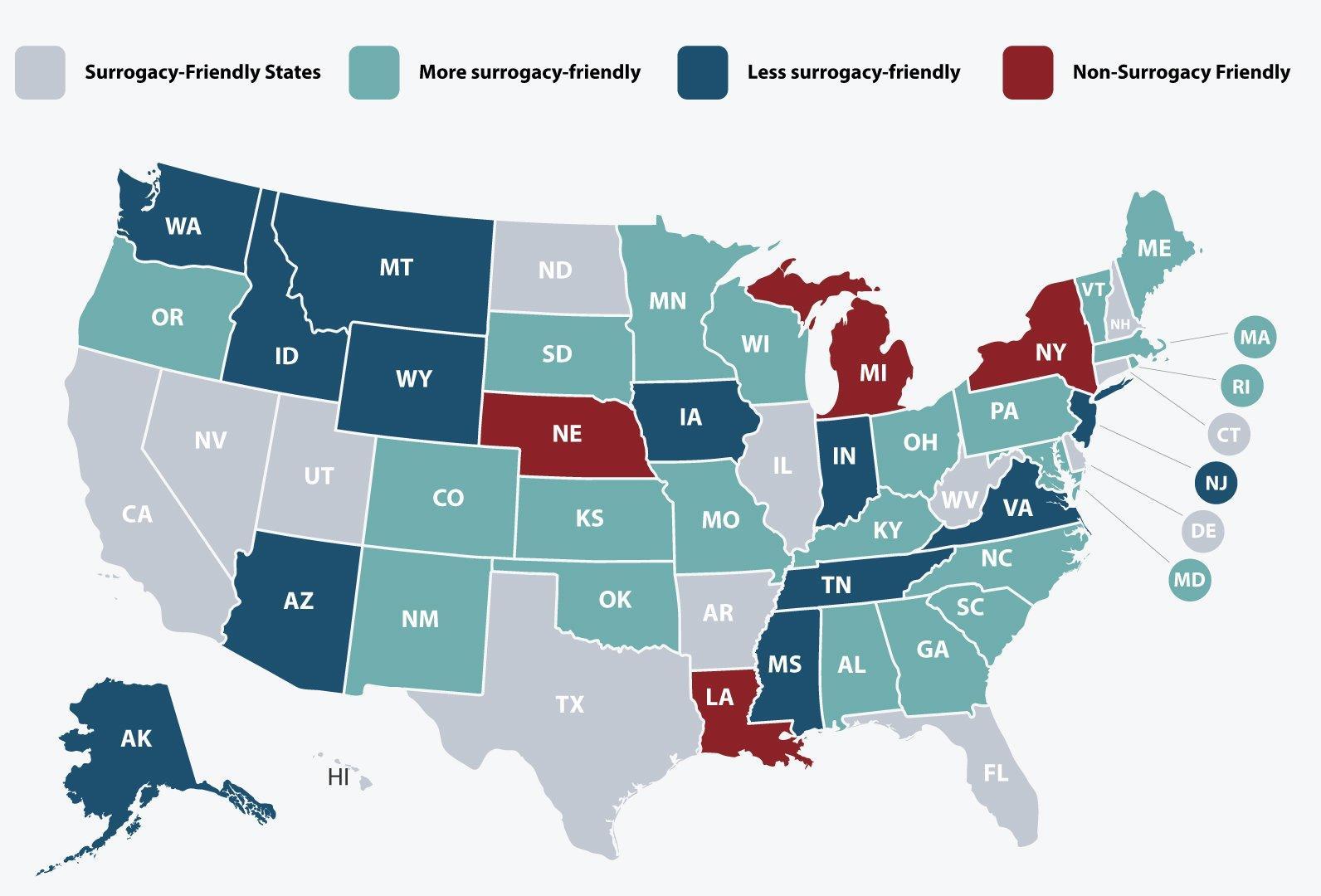
Surrogate Legal States and Surrogate-Friendly States
Surrogacy laws vary across the United States. Some states are more supportive of compensated gestational surrogacy than others.
California is commonly described as surrogacy-friendly because it has statutory procedures supporting gestational carrier agreements and parentage processes.
Anyone comparing surrogate legal states should speak with attorneys licensed in the relevant state before making decisions.
Surrogate Legal Countries
Surrogacy laws also vary widely by country.
Some countries allow certain forms of surrogacy, some restrict compensated arrangements, and others prohibit surrogacy altogether. A person considering international surrogacy should obtain legal guidance in every country involved.
This article focuses only on California.
Common Mistakes Surrogates Should Avoid Before Signing
Do not sign a contract you do not understand.
Do not rely only on verbal promises.
Do not assume a friend or family relationship removes the need for legal review.
Do not begin embryo transfer preparation without contract clarity.
Do not ignore expense terms, insurance details, medical decision language, or communication expectations.
Do not assume every agency, attorney, or clinic follows the same process.
Questions to Ask Before Signing a Surrogacy Contract
- Do I have my own attorney?
- Has the contract been explained in plain English?
- What expenses are covered?
- What happens if I miss work for appointments?
- What medical decisions are addressed?
- What happens if pregnancy complications occur?
- What communication is expected with intended parents?
- What happens before embryo transfer?
- How are parentage documents handled?
-
What parts of the agreement can be negotiated?

FAQs
Is surrogacy legal in California?
Yes, gestational surrogacy is legally recognized in California when the legal requirements are followed. California has legal procedures for assisted reproduction agreements involving gestational carriers.
When should a surrogacy contract be signed?
A surrogacy contract should be signed before embryo transfer. This helps ensure both the surrogate and intended parents understand their rights, responsibilities, and expectations before pregnancy begins.
What is included in a California surrogacy contract?
A California surrogacy contract usually covers rights, responsibilities, compensation or reimbursement, medical care, insurance, privacy, communication, parentage, and pregnancy-related expectations.
Can I be a surrogate for a friend?
Yes, being a surrogate for a friend may be possible, but it should still involve screening, independent legal counsel, and a written contract.
What is the difference between surrogate and gestational carrier?
A gestational carrier has no genetic connection to the baby. A traditional surrogate may use her own egg, which can create different legal and emotional issues.
Can a surrogate keep the baby?
In a properly structured gestational surrogacy arrangement, the intended parents are expected to be recognized as the legal parents through the legal process. Surrogates should ask a qualified attorney to explain how this applies to their specific contract.
Reviewed for Yunda readers
Keep reading