

Quick Answer
Questions this guide helps answer
Is surrogacy legal in all U.S. states
What states is surrogacy illegal
Do I need a surrogacy lawyer
Introduction
A common question for families exploring fertility options is simple but important: is surrogacy legal in the U.S.? The answer depends on where you live, because surrogacy laws by state vary significantly across the country.
Searches like what states is surrogacy illegal, where is surrogacy illegal, and surrogacy law in the U.S. reflect how complex this topic can be. Understanding surrogacy and the law is essential before starting a journey with a gestational surrogate.
This guide explains how surrogacy in USA works in 2026, highlights key legal differences between states, and outlines what intended parents should know before moving forward.
Is Surrogacy Legal in the U.S.
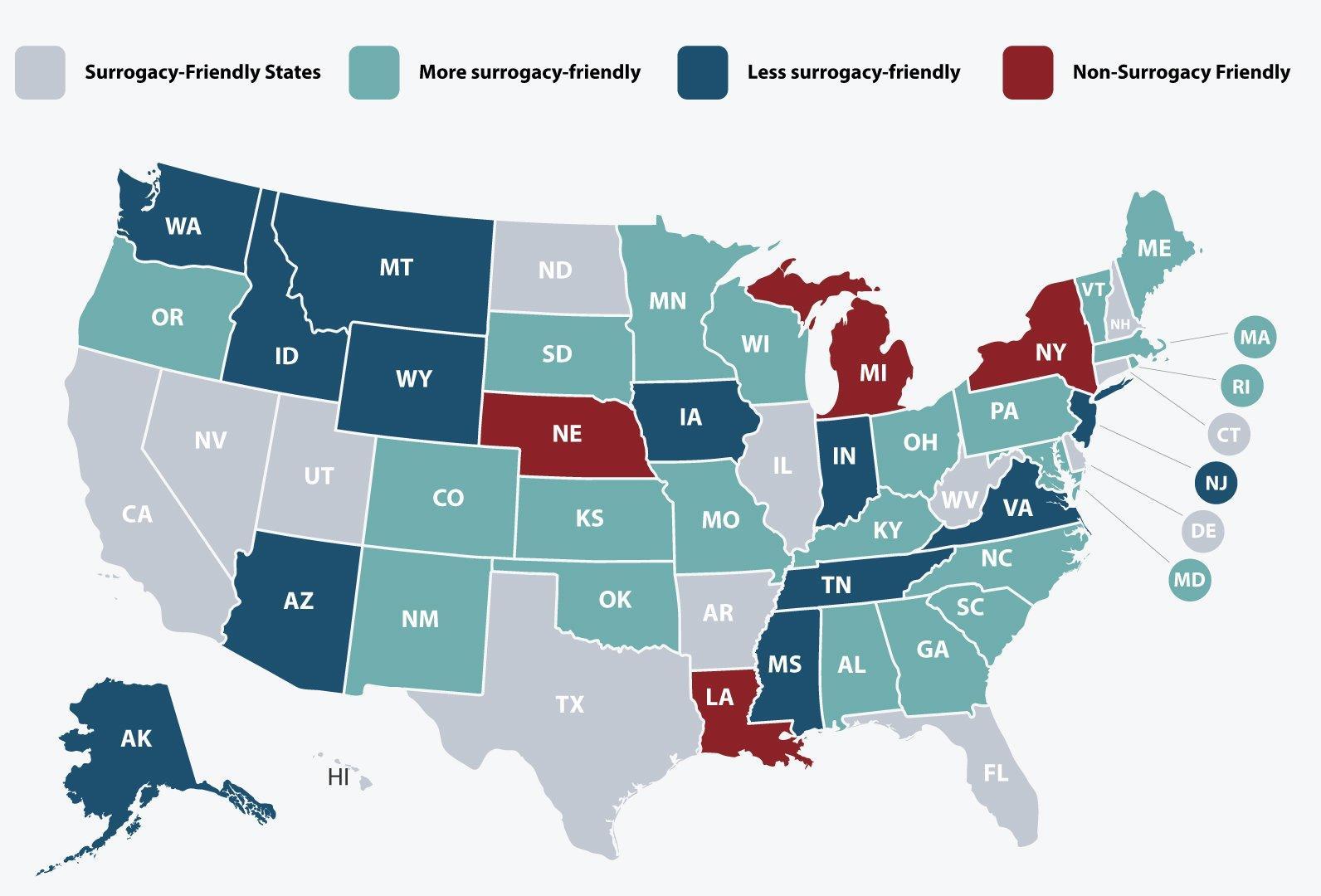
Surrogacy is legal in many parts of the United States, but it is not regulated at the federal level. Instead, each state sets its own surrogacy laws, which creates a patchwork of rules.
In general:
• Some states fully support gestational surrogacy
• Some states allow it with restrictions
• A few states limit or discourage certain arrangements
Because of this, intended parents must understand surrogacy laws by state before beginning the process.

States With Surrogacy Friendly Laws
Many states provide clear legal frameworks that support gestational surrogacy.
These states often allow:
• Enforceable surrogacy contracts
• Pre birth parentage orders
• Equal recognition for married and unmarried parents
• Legal clarity for gestational surrogate mother arrangements
Examples of surrogacy friendly environments include California, Illinois, and New York. In cities like surrogate NYC arrangements are common due to structured legal support.
States With Restrictions or Limitations
Some states allow surrogacy but with limitations.
Restrictions may include:
• Requirements for married intended parents
• Limits on compensation
• Additional court procedures
• Restrictions on traditional surrogacy
These states still permit surrogacy in US, but the process may require more legal coordination.
What States Is Surrogacy Illegal
A small number of states either restrict or do not clearly support certain types of surrogacy.
When people search what states is surrogacy illegal or where is surrogacy illegal, they are usually referring to:
• States that prohibit compensated surrogacy
• States with unclear or outdated laws
• States where contracts may not be enforceable
Because laws change over time, working with a qualified surrogacy lawyer is essential.
The Role of a Surrogacy Lawyer
Legal guidance is one of the most important parts of the process.
A surrogacy lawyer helps with:
• Drafting surrogacy contracts
• Ensuring compliance with state law
• Securing parentage orders
• Protecting the rights of all parties
Legal professionals ensure that surrogacy and the law are properly aligned before any medical procedures begin.
Gestational Surrogacy vs Traditional Surrogacy
Most modern arrangements involve gestational surrogacy, which is widely supported in the U.S.
Gestational surrogacy involves:
• IVF embryo creation
• No genetic link between surrogate and baby
• Clear legal parentage
Traditional surrogacy involves:
• The surrogate using her own egg
• Greater legal complexity
• More restrictions in many states
Because of these differences, most surrogate mothers in America participate in gestational arrangements.
Ethics of Surrogacy
Another common concern involves the ethics of surrogacy.
People often ask:
• is surrogacy ethical
• how are surrogate mothers protected
• how are agreements regulated
Ethical surrogacy depends on:
• Informed consent
• Medical safety
• Legal protection
In the U.S., regulated surrogacy programs aim to protect both intended parents and surrogate mothers through structured agreements.

How Surrogacy Works in the U.S.
Understanding the legal side is only part of the journey. The process itself is also structured.
The gestational surrogacy process typically includes:
• Consultation with a surrogacy agency
• Matching with a gestational surrogate
• Medical and psychological screening
• Legal contract drafting
• IVF embryo transfer
• Pregnancy and birth
Each step must comply with state specific surrogacy laws.
Why Professional Guidance Matters
Because surrogacy laws vary, professional support is critical.
Agencies and legal teams help with:
• Navigating surrogacy laws by state
• Coordinating with fertility clinics
• Managing legal documentation
• Ensuring ethical practices
Agencies such as Yunda Surrogacy support intended parents throughout the process by providing structured guidance, legal coordination, and transparent communication. For families navigating surrogacy in USA, having experienced support reduces legal risk and improves clarity.
Choosing the Right State for Surrogacy
Many intended parents choose their surrogacy location based on legal stability.
Factors to consider include:
• Strength of surrogacy laws
• Availability of experienced lawyers
• Access to fertility clinics
• IVF insurance coverage guide and cost considerations
States with clear laws often provide smoother processes and faster legal recognition.
Frequently Asked Questions
Is surrogacy legal in all U.S. states
No. Laws vary by state, and some states have restrictions or unclear legal frameworks.
What states is surrogacy illegal
A few states restrict compensated surrogacy or lack clear legal support, making professional guidance essential.
Do I need a surrogacy lawyer
Yes. A surrogacy lawyer ensures contracts are valid and parentage is legally recognized.
Conclusion
So, is surrogacy legal in the U.S.? The answer is yes in many states, but the details depend on local laws. Understanding surrogacy laws by state, working with experienced professionals, and choosing a supportive legal environment are key steps for intended parents.
With proper planning, legal guidance, and support from experienced agencies like Yunda Surrogacy, families can navigate surrogacy in US safely and confidently. As laws continue to evolve, staying informed remains the most important step in building a family through surrogacy.
Reviewed for Yunda readers
Keep reading
Related Posts

Is Surrogacy Legal in California? What Surrogates Should Know Before Signing a Contract
2026 Surrogacy Law Map: States That Protect Intended Parents