
Quick Answer
Questions this guide helps answer
What is the difference between embryo and fetus
When does embryo implantation occur
Is polygenic embryo screening reliable
Introduction
As reproductive technology advances, new genetic screening tools continue to emerge. One of the most debated innovations in 2026 is polygenic embryo screening, a method that attempts to predict complex traits in embryos before transfer.
While the idea may sound promising, the American Society for Reproductive Medicine has clearly stated that this technology is not ready for routine clinical use. For intended parents exploring IVF and gestational surrogacy, understanding the science behind embryo development and testing is essential before making decisions.
Searches such as what is an embryo, zygote vs embryo, and embryo vs fetus highlight how many people are still building foundational knowledge about early development. This article explains polygenic screening within that context and why caution remains necessary.
What Is an Embryo and How It Develops

To understand genetic screening, it is important to first define early human development.
The term what is an embryo refers to the stage after a fertilized egg begins dividing but before it becomes a fetus. The process begins with a zygote, the single cell formed when sperm meets egg.
The zygote vs embryo distinction is based on development:
• Zygote: a single fertilized cell
• Embryo: multicellular structure after division begins
This progression continues through the stages of embryonic development, often described as zygote to embryo to fetus.
Embryonic Development Timeline in IVF
In IVF, embryo development is closely monitored in a laboratory.
The embryonic development timeline includes:
• Day 1: zygote formation
• Day 2–3: early cell division
• Day 4: morula stage
• Day 5–6: blastocyst in humans stage
• Day 5+: embryo ready for transfer
The blastocyst definition biology describes a structure with specialized cells that will develop into the fetus and placenta.
This stage is critical for embryo transfers in both IVF and surrogacy.
When Does the Embryo Implant
A common question in IVF is when does embryo implant.
After transfer, implantation typically occurs:
• 6 to 10 days after fertilization
• Shortly after a post embryo transfer period
• Within a controlled uterine environment
Patients often ask how long does it take the embryo to implant, especially when tracking early pregnancy signs.
What Is Polygenic Embryo Screening
Polygenic embryo screening attempts to evaluate embryos based on multiple genes linked to traits such as height, intelligence, or disease risk.
Unlike traditional genetic testing, which identifies clear chromosomal abnormalities, polygenic screening uses statistical models to predict probabilities.
This creates significant uncertainty because:
• Traits are influenced by many genes
• Environmental factors play a major role
• Predictions are not precise
Why ASRM Says It Is Not Ready
The ASRM has raised concerns about using polygenic screening in clinical practice.
Key reasons include:
• Limited scientific validation
• Lack of consistent predictive accuracy
• Ethical concerns about embryo selection
• Risk of misinterpretation by patients
The organization emphasizes that current evidence does not support routine use in IVF or gestational surrogacy.
Comparison With Standard Genetic Testing
Traditional embryo testing focuses on clear medical outcomes.
For example:
• PGT-A identifies chromosomal abnormalities
• Helps reduce miscarriage risk
• Supports embryo selection based on viability
Polygenic screening, by contrast, attempts to predict traits rather than medical conditions, making it less reliable.
Role of Egg Retrieval and IVF Process
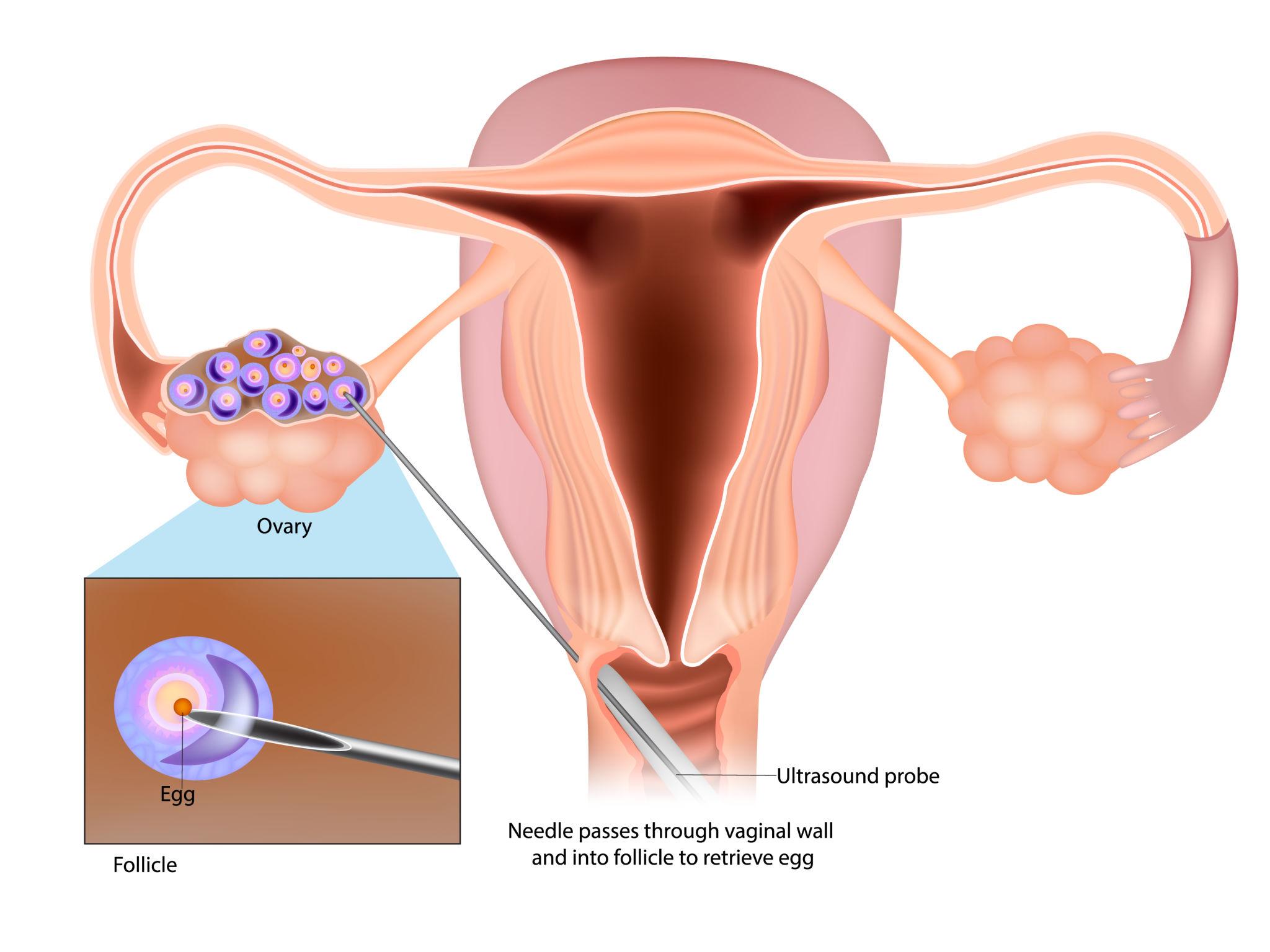
Before any embryo testing occurs, IVF begins with egg retrieval.
The egg retrieval work process includes:
• Hormonal stimulation of ovaries
• Monitoring follicle development
• Performing egg retrieval surgery
• Collecting mature eggs for fertilization
These eggs are then fertilized to create embryos for potential transfer.
Embryo Transfer and Pregnancy Planning

Once embryos are ready, they are transferred to the uterus or a gestational surrogate.
After transfer:
• Patients enter a post embryo transfer monitoring phase
• Implantation is tracked
• Pregnancy confirmation follows
Tools like an IVF due date calculator frozen transfer help estimate delivery timelines, including how to calculate due date after IVF.
Ethical Considerations in Embryo Selection
Polygenic screening raises important ethical questions.
Experts debate:
• Whether selecting embryos based on traits is appropriate
• How to define “desirable” characteristics
• The long term societal impact
These concerns connect to broader discussions about the ethics of reproductive technology.
Real World Clinical Perspective
Clinics across the United States have approached polygenic screening cautiously.
Reports highlighted by Nature Medicine indicate that predictive models remain limited in accuracy, particularly across diverse populations.
This reinforces ASRM’s position that more research is needed before clinical adoption.
The Role of Surrogacy Agencies
For intended parents pursuing surrogacy in USA, understanding embryo testing options is part of the planning process.
Agencies assist with:
• Coordinating IVF clinics
• Managing embryo transfers
• Matching with qualified gestational surrogate candidates
• Ensuring ethical and legal compliance
Organizations such as Yunda Surrogacy guide families through these decisions, helping them balance medical recommendations with practical considerations.
Frequently Asked Questions
What is the difference between embryo and fetus
An embryo is in the early developmental stage, while a fetus develops after about eight weeks.
When does embryo implantation occur
Implantation typically occurs within 6 to 10 days after fertilization.
Is polygenic embryo screening reliable
Current evidence suggests it is not reliable enough for routine clinical use.
Conclusion
Polygenic embryo screening represents an ambitious step in reproductive science, but as of 2026, it remains experimental. According to ASRM, its clinical use should be approached with caution due to limited evidence and ethical concerns.
For intended parents navigating IVF and gestational surrogacy, understanding the development of an embryo, the science behind testing, and the limits of emerging technologies is essential. With proper guidance from experienced professionals and agencies like Yunda Surrogacy, families can make informed decisions grounded in both science and responsibility.
Reviewed for Yunda readers
Keep reading
Related Posts

Surrogate Medical Screening Process: Tests, Timeline, and Clinic Clearance

IVF Clinic Safety in 2026: 10 Questions Parents Should Ask