Quick Answer
Questions this guide helps answer
Is surrogacy possible after hysterectomy?
Can frozen eggs or embryos be used after hysterectomy?
Does insurance cover surrogacy after hysterectomy?
Introduction
For many women, undergoing a hysterectomy brings emotional as well as physical changes. One of the most common questions afterward is whether having biological children is still possible. Searches like surrogacy after hysterectomy, can you have a baby after hysterectomy, and how does surrogacy work after hysterectomy reflect a deep desire to understand options.
The encouraging news is that pregnancy may not be possible after a hysterectomy, but biological parenthood often still is. Through the gestational surrogacy process and IVF technology, many women and couples successfully build families even after uterine removal.
This article explains how surrogacy works after hysterectomy, what medical steps are involved, legal considerations, and what to expect emotionally and financially.
Can You Have a Baby After a Hysterectomy
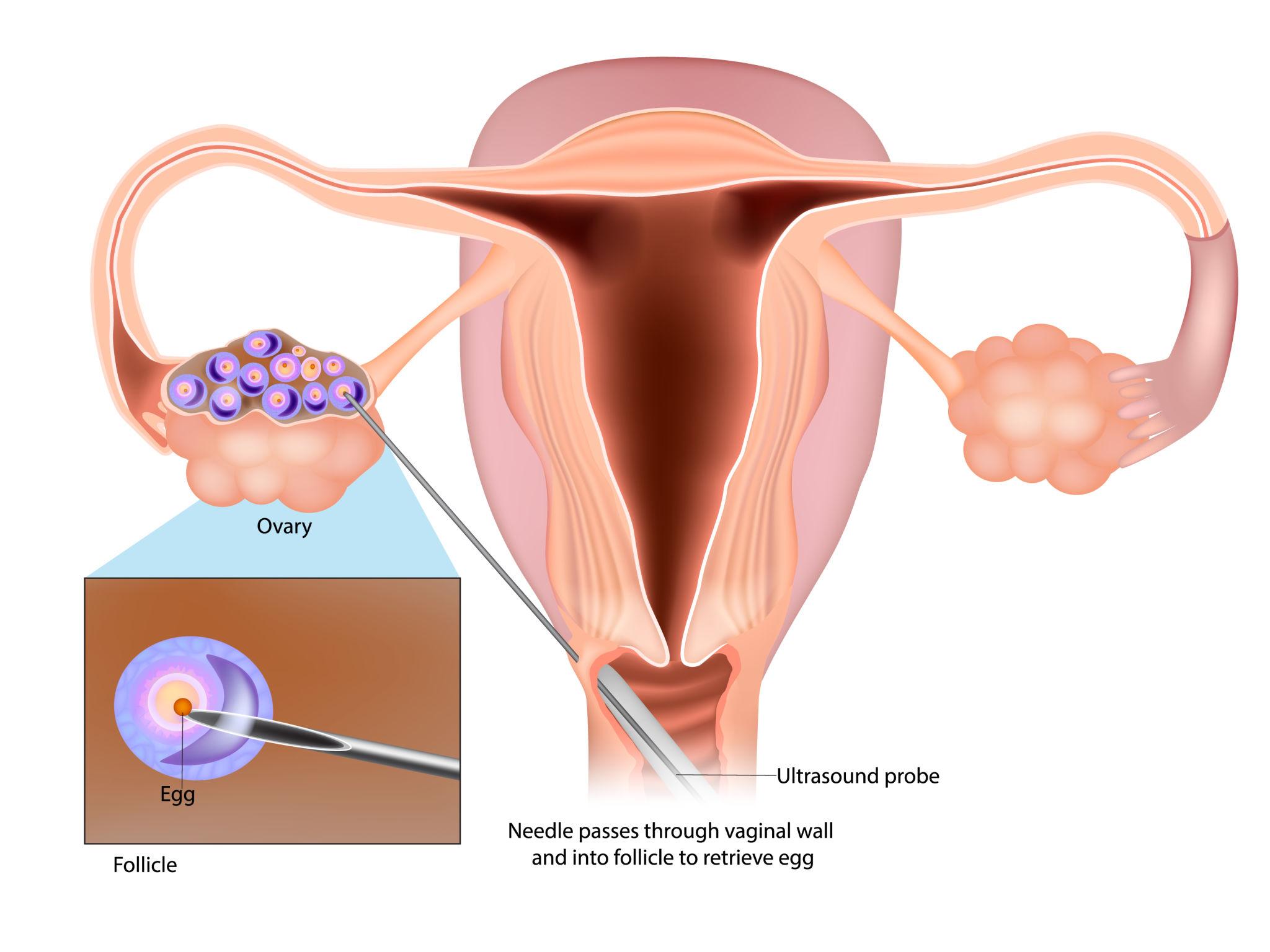
A hysterectomy removes the uterus, which means carrying a pregnancy is no longer possible. However, if the ovaries remain functional, eggs may still be retrieved for IVF.
In this case:
• The intended mother can use her own eggs
• An embryo is created through IVF
• A gestational surrogate carries the pregnancy
• The surrogate has no genetic link to the baby
This arrangement is called gestational surrogacy, and it is the most common path for women pursuing surrogacy after hysterectomy.
How Does Surrogacy Work After Hysterectomy

Understanding how does surrogacy work in this situation helps reduce uncertainty.
The surrogacy process step by step usually includes:
• Fertility evaluation to assess egg viability
• IVF embryo creation
• Matching with a gestational surrogate
• Legal contract drafting
• Embryo transfer
• Pregnancy and delivery
Because the intended mother cannot carry the pregnancy, the gestational surrogacy procedure becomes the central medical pathway.
What If the Ovaries Were Also Removed
If both the uterus and ovaries were removed, egg retrieval is not possible. In this case, families often consider:
• Egg donation and surrogacy
• Donor embryo programs
• Adoption
Egg donation combined with surrogacy allows the intended father’s sperm to be used while a donor provides the egg. The embryo is then transferred to a surrogate.
This approach still allows biological connection for one parent.
Medical Process Involved
The IVF surrogacy process after hysterectomy follows the same medical standards as other gestational arrangements.
The IVF surrogacy procedure typically includes:
• Hormonal stimulation (if ovaries remain)
• Egg retrieval
• Fertilization in a laboratory
• Embryo development
• Embryo transfer to surrogate
If frozen embryos were created before hysterectomy, those embryos can be used directly.
Legal Considerations
Surrogacy laws vary by state. Supportive states such as California and Nevada provide clear frameworks for intended parents.
Key legal steps include:
• Drafting a surrogacy agreement
• Establishing parental rights
• Securing pre birth parentage orders
• Coordinating hospital documentation
Working with experienced surrogacy attorneys ensures smooth legal recognition.
Insurance and Financial Planning
Another common concern involves insurance coverage.
Families frequently research:
• does insurance cover surrogacy
• is surrogacy covered by insurance
• does medical insurance cover surrogacy
Insurance policies typically do not cover surrogacy costs for intended parents. Surrogate medical insurance must be reviewed carefully. Compensation, IVF procedures, agency fees, and legal expenses are usually self funded.
Total surrogacy costs in the United States often range from $120,000 to $200,000 depending on location and medical factors.
Emotional Impact of Surrogacy After Hysterectomy
Choosing surrogacy after hysterectomy can bring mixed emotions. Some women experience grief over not carrying a pregnancy themselves. Others feel relief knowing there is still a path to biological parenthood.
Emotional considerations may include:
• Processing loss of pregnancy experience
• Building trust with a surrogate
• Managing family expectations
• Preparing for birth from a distance
Counseling and agency support often help navigate these feelings.
Why Professional Guidance Matters
Because surrogacy after hysterectomy involves medical complexity and legal coordination, working with experienced professionals is critical.
Agencies such as Yunda Surrogacy assist intended parents with:
• Screening and matching qualified surrogates
• Coordinating fertility clinics
• Managing legal documentation
• Providing transparent communication
• Structuring compensation agreements
For families navigating fertility after surgery, having a structured support system reduces stress and confusion.
Timeline Expectations
The full surrogacy process for intended parents typically takes 15 to 24 months from consultation to birth.
The timeline includes:
• Fertility evaluation
• Matching
• IVF cycles
• Pregnancy
Planning early improves predictability.
Frequently Asked Questions
Is surrogacy possible after hysterectomy?
Yes. If ovaries remain functional, IVF and gestational surrogacy allow biological parenthood.
Can frozen eggs or embryos be used after hysterectomy?
Yes. Previously frozen eggs or embryos can be used in the IVF surrogacy process.
Does insurance cover surrogacy after hysterectomy?
Most insurance plans do not cover surrogacy costs for intended parents, but policies vary and should be reviewed carefully.
Conclusion
Surrogacy after hysterectomy offers hope to families who once believed pregnancy loss ended their biological parenting journey. While carrying a pregnancy is no longer possible, modern IVF and gestational surrogacy procedures provide a safe and structured alternative.
With proper medical evaluation, legal preparation, and experienced agency support such as that provided by Yunda Surrogacy, many families successfully welcome children even after hysterectomy. Understanding the process, timeline, and emotional considerations allows intended parents to move forward with confidence and clarity.
Reviewed for Yunda readers
Keep reading
Related Posts
Surrogate Medical Screening Process: Tests, Timeline, and Clinic Clearance
IVF Clinic Safety in 2026: 10 Questions Parents Should Ask