
Quick Answer
Questions this guide helps answer
What are the best states for LGBTQ surrogacy in 2026?
Why do gay couples choose California for surrogacy?
How does surrogacy work for gay couples?
Introduction
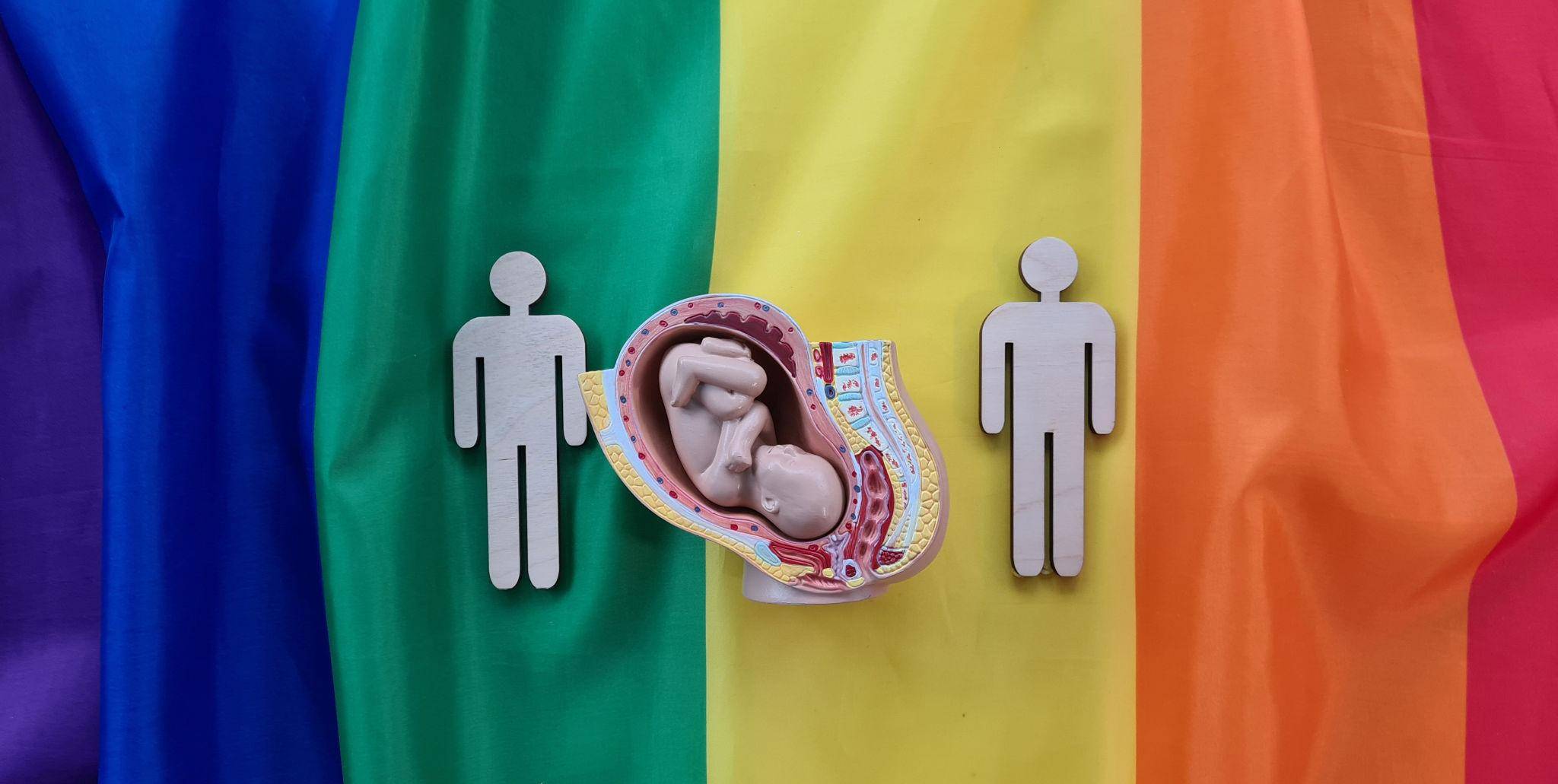
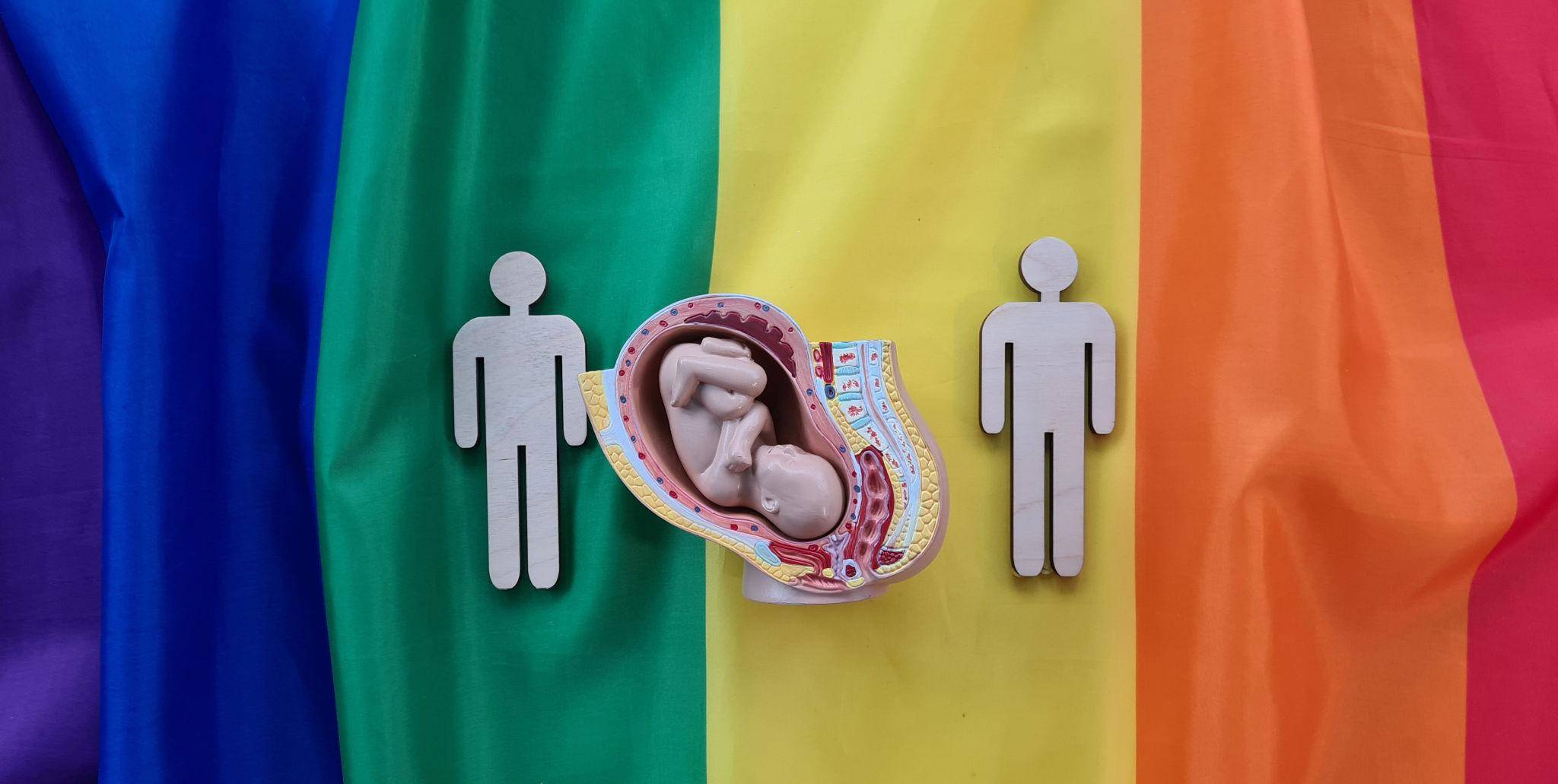
The best states for LGBTQ surrogacy offer more than welcoming clinics. They provide enforceable agreements, clear parentage procedures, independent legal representation, and equal treatment for married, unmarried, and single intended parents.
In 2026, California, New York, Illinois, and Nevada remain strong options for many LGBTQ+ families. California often leads the shortlist because its statutes define an intended parent without limiting that status by marital status, provide a route to parentage orders before birth, and require separate attorneys before embryo transfer begins.
This guide compares those legal environments, explains the gay dads surrogacy process in California, and shows what families should examine before choosing a state, agency, or gestational carrier.
What Makes a State LGBTQ+ Surrogacy Friendly?
The phrase surrogate friendly states usually describes jurisdictions that give intended parents a predictable legal route from contract signing to birth.
A strong state framework generally includes:
- Enforceable gestational carrier agreements
- Parentage orders available before or shortly after birth
- Access for same sex and single intended parents
- Independent attorneys for the parties
- Clear rules for compensation, insurance, and escrow
- Birth certificate procedures that recognize intended parents
ASRM’s Ethics Committee supports equal access to fertility treatment regardless of sexual orientation, marital status, or gender identity. It also stresses informed consent, medical screening, counseling, and protection of the gestational carrier’s autonomy.
Why LGBTQ Surrogacy California Often Ranks First
LGBTQ surrogacy California benefits from one of the country’s clearest statutory structures. California law defines an intended parent as a married or unmarried individual who intends to become the legal parent of a child created through assisted reproduction.
California also requires separate independent attorneys for the intended parents and gestational carrier. The parties must sign the agreement before injectable medication or an embryo transfer begins. Courts may establish the intended parents’ legal relationship before the child’s birth.
These provisions make gay surrogacy California attractive to:
- Two fathers using an egg donor and gestational carrier
- A single intended father seeking a surrogate
- Married or unmarried same sex couples
- International intended parents who need coordinated legal planning
- Families using donor eggs, donor sperm, or embryos
The legal structure does not remove every risk, but it gives attorneys a detailed framework for contracts, medical expenses, insurance disclosures, escrow, and parentage.
California Pre Birth Orders for Same Sex Parents
A California parentage case may begin before birth when the arrangement follows statutory requirements. The resulting order can identify the intended parents and confirm that the carrier and her spouse or partner do not hold parental rights or duties.
For same sex parents surrogacy, that process can reduce uncertainty at the hospital. It may also simplify birth certificate preparation and medical decision making.
The exact filing strategy still depends on where the carrier lives, where the delivery will occur, and where the medical procedures take place. Families should therefore retain an assisted reproduction attorney rather than relying on a general agency explanation.
New York Offers Strong Rights With More Conditions
New York’s Child Parent Security Act legalized compensated gestational surrogacy and created detailed protections for carriers and intended parents.
New York allows a single adult or a couple, whether married or in an intimate relationship, to qualify as intended parents. It also requires independent legal counsel, insurance protections, escrow arrangements, and acknowledgment of the Surrogate’s Bill of Rights. However, residency and citizenship or permanent residency conditions can affect eligibility.
New York can therefore work well for LGBTQ+ families, but it may demand more procedural planning than California.
Illinois Provides an Established Parentage Process
Illinois has a detailed Gestational Surrogacy Act and an administrative process for establishing parentage before birth. The state requires certifications from intended parents, the gestational carrier, physicians, and attorneys. Under the administrative route described by the Illinois Department of Public Health, at least one intended parent must contribute an egg or sperm.
Illinois can suit surrogacy for gay couples when one father provides sperm. Families using both an egg donor and sperm donor may need a different legal route, so they should obtain state specific advice before matching.
Nevada Combines Parentage and Insurance Protections
Nevada statutes recognize intended parents as the resulting child’s parents upon birth when a gestational agreement satisfies the statutory conditions. Nevada law also addresses maternity coverage and limits an insurer’s ability to deny maternity benefits simply because the insured person acts as a gestational carrier.
Nevada can offer a supportive environment, especially for western U.S. families. Still, the parties must confirm that the agreement, carrier eligibility, insurance, and parentage filings satisfy current law.
Gestational Carrier vs Surrogate: What the Terms Mean
The difference between surrogate and gestational carrier often causes confusion.
A surrogate serves as the broad category. A gestational carrier carries an embryo but does not provide the egg. California law separately defines a traditional surrogate as someone who contributes her own egg and a gestational carrier as someone carrying a genetically unrelated embryo.
For most modern surrogacy for gay dads, the journey involves:
- An egg donor
- Sperm from one intended father or a donor
- IVF embryo creation
- A gestational surrogate
- A parentage order recognizing the intended parent or parents
This gestational surrogate meaning matters because state laws often treat traditional and gestational arrangements differently.
How Gay Couples Find a Surrogate
Families researching how to find a surrogate should begin with legal eligibility and screening, not social media profiles or the lowest advertised price.
A professional surrogate search generally covers:
- Pregnancy and delivery records
- Medical clearance from an IVF clinic
- Psychological assessment
- Criminal and financial background screening
- Insurance review
- Communication and relationship preferences
- Independent legal representation
Local searches such as San Jose find a surrogate, find a surrogate Beverly Hills, and Orange County surrogate reflect demand for California matches. Yet the carrier does not always need to live near the intended parents. Her state of residence and expected delivery location may matter more than the agency’s office address.
A Composite Case Shows Why Location Matters
Consider a composite example involving two married fathers who live outside California. One father contributes sperm, an egg donor provides the eggs, and a surrogate California candidate lives in Orange County.
Their agency coordinates IVF and surrogate screening, while separate lawyers prepare the gestational carrier agreement. The California attorney files for a parentage order before delivery. Because the parties discuss communication preferences, insurance, hospital procedures, and legal parentage early, the birth plan remains clear.
Had the carrier lived in a state with unclear surrogacy laws, the family might have needed different contracts, additional court proceedings, or post birth legal action. The example shows why choosing a carrier requires legal analysis as well as personal compatibility.
How Yunda Surrogacy Supports LGBTQ+ Intended Parents
Yunda Surrogacy operates as a California based, cross border agency serving intended parents in legally supported U.S. states. Its published program information describes end to end coordination through fertility, legal, insurance, matching, and escrow partners.
As an LGBTQ friendly surrogacy agency California option, Yunda can help families organize:
- Surrogate recruitment and screening
- IVF clinic coordination
- Matching based on family goals
- Attorney and insurance referrals
- Milestone based escrow planning
- Communication from matching through birth
No surrogate company replaces independent legal counsel. A strong agency instead keeps the medical, legal, financial, and relationship tracks connected while each licensed professional handles the appropriate work.
California Surrogate Risks Families Should Still Review
California’s legal strength does not eliminate every challenge. Intended parents still need to evaluate:
- Failed embryo transfers
- Insurance exclusions
- Changes in the carrier’s medical condition
- Additional compensation or bed rest expenses
- Communication disagreements
- Travel and delivery logistics
- Unexpected neonatal care
Careful contracts and realistic contingency planning matter as much as the state selected.
FAQ
What are the best states for LGBTQ surrogacy in 2026?
California, New York, Illinois, and Nevada offer comparatively developed legal frameworks. The right state depends on the carrier’s residence, genetic arrangement, delivery location, and the intended parents’ circumstances.
Why do gay couples choose California for surrogacy?
California provides detailed contract rules, access for married and unmarried intended parents, independent counsel requirements, and a process for parentage orders before birth.
How does surrogacy work for gay couples?
One or both intended fathers provide sperm, an egg donor provides eggs, and an IVF clinic creates embryos. A gestational carrier then carries the pregnancy under a legal agreement.
Conclusion
The best state for an LGBTQ+ surrogacy journey is not simply the state with the most agencies. It is the state that gives the specific family, carrier, and embryo arrangement the clearest path to enforceable contracts and recognized parentage.
California continues to lead because it combines inclusive intended parent definitions, established parentage procedures, experienced fertility professionals, and a mature agency network. For families pursuing surrogacy for gay dads, working with independent attorneys and an experienced coordinator such as Yunda Surrogacy can turn a complicated multistate process into a structured, legally informed journey.
Reviewed for Yunda readers
Keep reading