
Quick Answer
Questions this guide helps answer
What is embryo grading
Can AI improve IVF success rates
When can gender be determined in IVF
Introduction
Artificial intelligence is rapidly entering the world of fertility treatment. In 2026, more IVF clinics are advertising AI powered embryo analysis systems that claim to improve pregnancy success rates. As a result, intended parents are increasingly asking whether AI embryo selection truly improves outcomes or whether it is simply another marketing trend in reproductive medicine.
Searches such as embryo screening, ivf with genetic screening, and embryo genetic testing continue to grow as patients try to understand the science behind embryo selection. At the same time, organizations like the American Society for Reproductive Medicine have urged clinics to avoid overstating the capabilities of AI tools before stronger clinical evidence becomes available.
Understanding how embryos develop, how embryo grading works, and where AI fits into the IVF process can help intended parents make more informed decisions before pursuing IVF or gestational surrogacy.
What Is AI Embryo Selection
AI embryo selection uses computer algorithms to analyze embryo images collected during IVF. The system reviews embryo growth patterns and attempts to predict which embryos may have the highest implantation potential.
Clinics use AI to assist with:
• Embryo grading
• Blastocyst quality analysis
• Predicting implantation likelihood
• Supporting embryologist decision making
Importantly, AI does not replace fertility specialists. Most clinics use it as an additional tool rather than a final authority.
How Embryos Develop During IVF
To understand AI analysis, intended parents first need a basic understanding of embryo development.
The question what is an embryo refers to the early developmental stage after fertilization. The process begins with a zygote, a single fertilized cell created when sperm and egg combine.
The zygote vs embryo distinction is simple:
• Zygote: one fertilized cell
• Embryo: multicellular structure after cell division begins
This process continues through the stages of embryonic development, eventually progressing from zygote to embryo to fetus.
Blastocyst Development and Embryo Grading
Most modern IVF clinics transfer embryos at the blastocyst stage.
The blastocyst definition biology describes an embryo approximately five days after fertilization, containing:
• An inner cell mass
• Trophectoderm cells
• A fluid filled cavity
This stage, often called the blastocyst in humans phase, is important because implantation rates are generally higher.
Clinics commonly use blastocyst grading or embryo grading systems to evaluate embryo quality before transfer.
AI systems attempt to improve this evaluation by analyzing thousands of developmental images.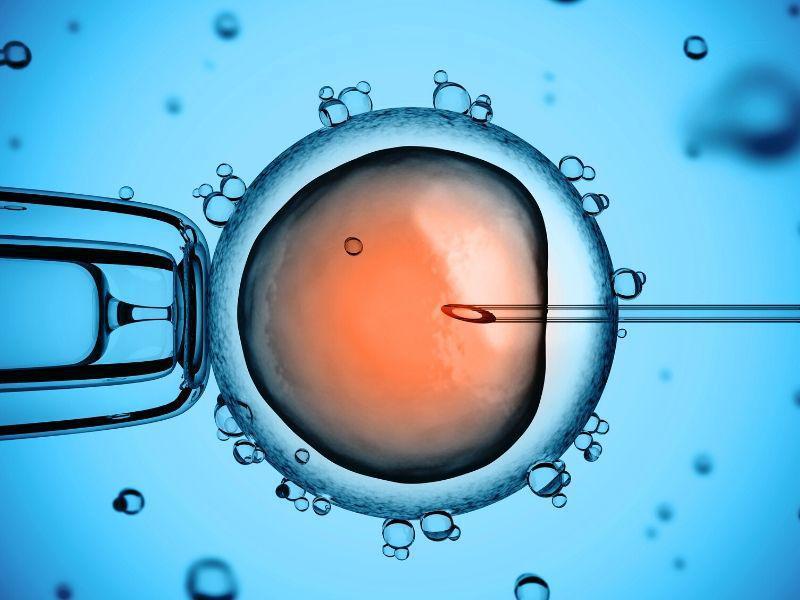
Embryo Screening vs Genetic Testing
Many intended parents confuse AI analysis with genetic testing.
These are different processes:
• Embryo screening through AI evaluates visual growth patterns
• Embryo genetic testing examines chromosomes or genes
In ivf with genetic screening, embryos may undergo PGT-A testing to identify chromosomal abnormalities.
However, experts continue discussing ivf embryo testing limitations, especially when clinics present AI predictions as definitive science.
What ASRM Says About AI in IVF
The ASRM has taken a cautious position on AI embryo selection.
According to recent guidance:
• AI may support laboratory efficiency
• Evidence remains limited for major outcome improvements
• Marketing claims should not exceed available data
• Patients should receive realistic expectations
Researchers cited in Nature Medicine have also noted that embryo implantation depends on many factors beyond image analysis alone.
When Does the Embryo Implant
One reason embryo selection matters is implantation timing.
After transfer, intended parents often ask:
• when does embryo implant
• how long does it take the embryo to implant
Implantation generally occurs within 6 to 10 days after fertilization during the post embryo transfer stage.
Even high quality embryos sometimes fail to implant because pregnancy depends on multiple biological factors.
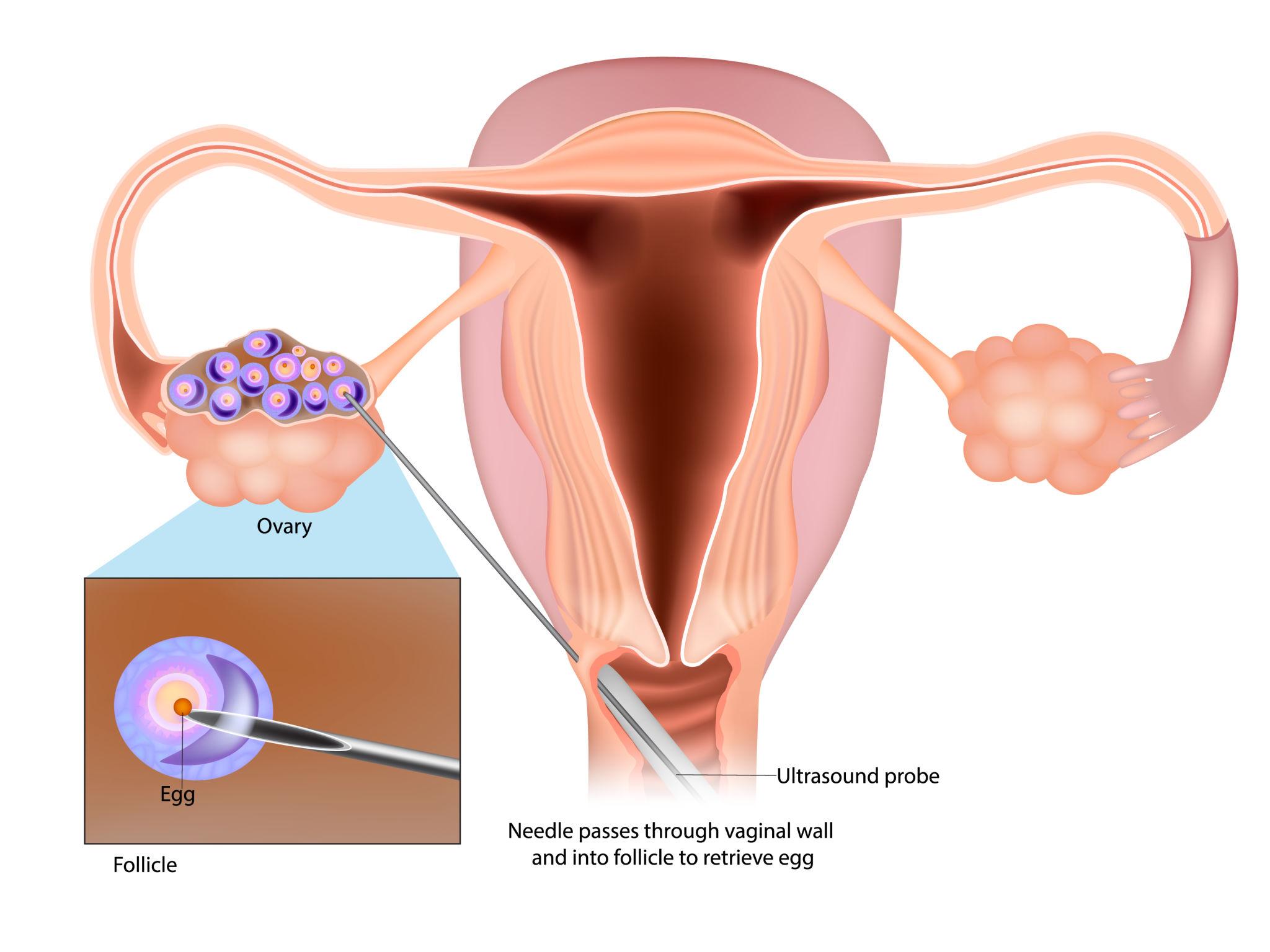
The Role of Egg Retrieval
Before embryo analysis begins, IVF starts with egg retrieval.
The how does egg retrieval work process includes:
• Hormonal ovarian stimulation
• Ultrasound monitoring
• Minor egg retrieval surgery
• Fertilization in a laboratory
Embryos are then monitored during development before transfer decisions are made.
Can AI Predict Gender
Some intended parents also wonder whether embryo testing allows gender selection.
Questions often include:
• can you pick the gender of your baby
• when can gender be determined
• does the sperm determine gender
Biologically, sperm determines the embryo’s sex chromosome combination. Gender can often be identified during genetic testing stages, though laws and clinic policies vary regarding selection.
Ethical concerns continue surrounding non medical gender selection.
Embryo vs Fetus
AI discussions also increase confusion around developmental terminology.
The embryo vs fetus distinction is based on timing:
• Embryo: early stage up to about 8 weeks
• Fetus: later developmental stage with organ formation
Understanding these stages helps intended parents better follow IVF and pregnancy updates.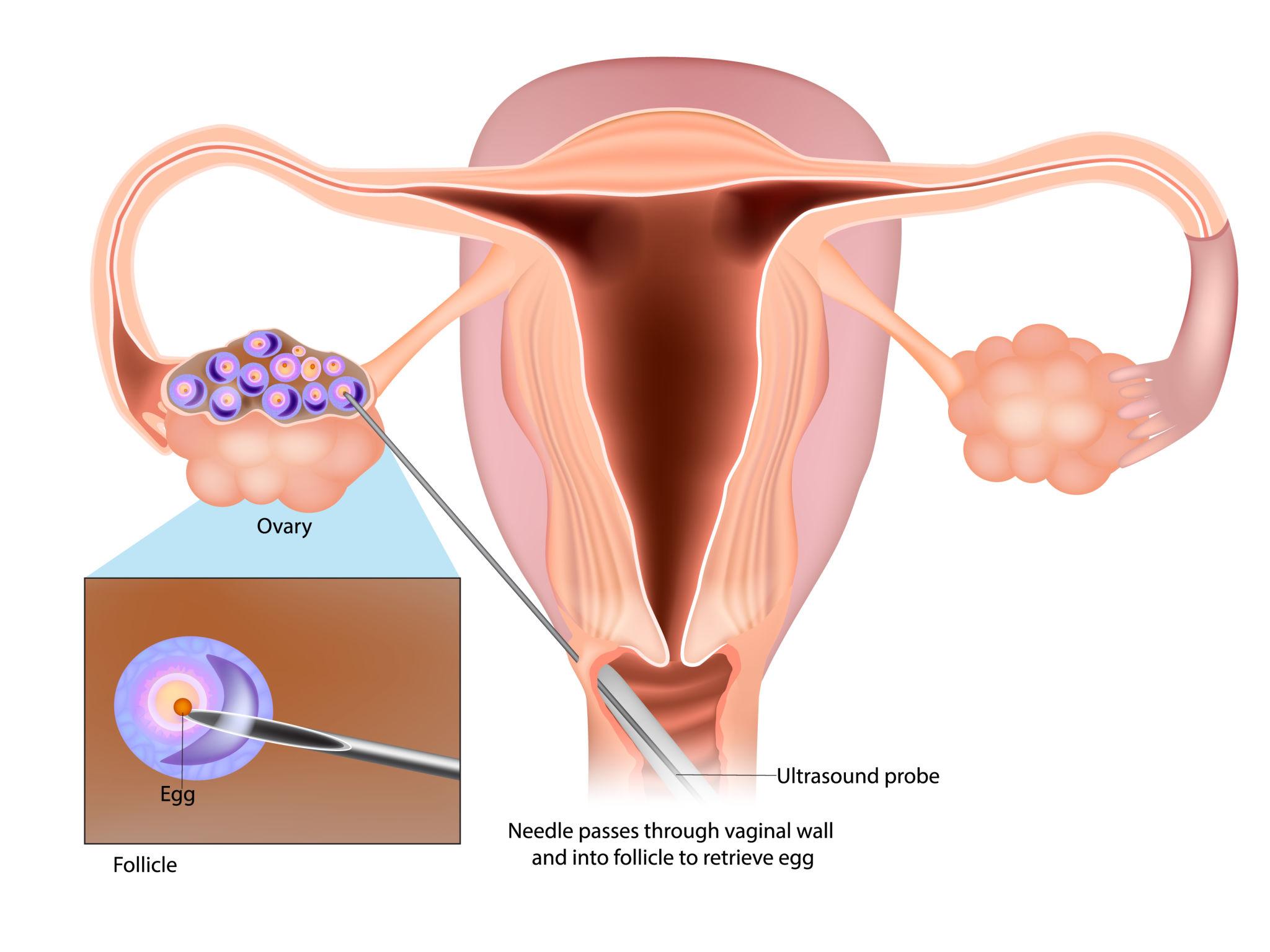
How AI May Help in Gestational Surrogacy
In gestational surrogacy, embryo quality becomes especially important because intended parents want to maximize transfer success.
AI tools may help by:
• Supporting embryo selection decisions
• Improving lab efficiency
• Assisting with blastocyst evaluation
However, experts emphasize that AI should complement—not replace—medical expertise.
Organizations such as Yunda Surrogacy work with fertility clinics that combine advanced IVF technologies with individualized medical planning. Their role includes helping intended parents understand embryo transfer decisions while maintaining realistic expectations about success rates.
Limitations of AI Embryo Selection
Despite growing interest, several limitations remain.
Current concerns include:
• Limited long term validation studies
• Differences between clinic laboratory systems
• Risk of overreliance on algorithms
• Inconsistent predictive accuracy across populations
This is why many fertility specialists remain cautious about aggressive AI marketing claims.
Frequently Asked Questions
What is embryo grading
Embryo grading evaluates embryo appearance and development before transfer.
Can AI improve IVF success rates
AI may assist embryo selection, but evidence remains mixed and outcomes vary.
When can gender be determined in IVF
Gender can often be identified during genetic testing before embryo transfer.
Conclusion
AI embryo selection represents an exciting development in reproductive medicine, but current evidence suggests it should be viewed as a supportive tool rather than a guaranteed breakthrough. While AI may improve laboratory analysis and embryo grading, pregnancy outcomes still depend on complex biological factors.
For intended parents pursuing IVF or gestational surrogacy, understanding the science behind embryo development, genetic testing, and implantation is more important than marketing claims alone. With experienced medical guidance and support from organizations like Yunda Surrogacy, families can approach emerging fertility technologies with both optimism and realistic expectations.
Reviewed for Yunda readers
Keep reading