

Quick Answer
Questions this guide helps answer
What is embryo grading
When does embryo implantation occur
Can embryo testing prevent all IVF problems
Introduction
As IVF technology becomes more advanced, intended parents are paying closer attention to fertility clinic safety. High profile cases involving embryo mix ups, storage failures, and identification mistakes have increased public concern in recent years. Families pursuing IVF or gestational surrogacy now want more than success rates—they want transparency, accountability, and strong laboratory safeguards.
Searches such as embryo transfers, embryo screening, and ivf embryo testing limitations reflect growing awareness about how complex reproductive medicine has become. According to the American Society for Reproductive Medicine, laboratory protocols and chain of custody procedures remain among the most important factors in IVF safety.
Before selecting a clinic, intended parents should understand how embryos are created, monitored, tested, and transferred—and what questions can help reduce risk.
Why IVF Clinic Safety Matters
Modern IVF involves multiple laboratory stages, each requiring precise handling and identification.
The process often includes:
• Egg retrieval
• Fertilization and embryo creation
• Embryo grading and screening
• Cryopreservation and storage
• Embryo transfers
Because so many steps occur outside the body, strict safety systems are essential.
Understanding Early Embryo Development
Many intended parents begin researching IVF by asking what is an embryo or what is zygote.
The process starts with a fertilized egg known as a zygote.
The zygote vs embryo distinction is based on development:
• Zygote: the first single fertilized cell
• Embryo: multicellular development after division begins
This continues through the stages of embryonic development, progressing from zygote to embryo to fetus.
Understanding these stages helps intended parents better follow clinic discussions and lab procedures.
Question 1: How Does the Clinic Track Embryos
Embryo identification is one of the most important safety measures.
Parents should ask whether the clinic uses:
• Digital witnessing systems
• Barcode tracking
• Double verification protocols
• Chain of custody documentation
Advanced clinics now use electronic tracking systems to reduce human error during embryo transfers and storage.
Question 2: Who Oversees the Embryology Lab
The quality of the embryology team directly affects outcomes.
Questions should include:
• Who supervises the laboratory
• How many years of experience embryologists have
• Whether the clinic follows ASRM standards
• How often procedures are audited
Experienced laboratory teams are critical during embryo culture and blastocyst grading.
Question 3: How Are Embryos Evaluated
Clinics evaluate embryos before transfer using visual assessment and, in some cases, genetic testing.
Parents may hear terms such as:
• Blastocyst in humans stage
• Embryo grading
• Embryo genetic testing
• Embryo screening
It is important to ask how grading decisions are made and whether AI or automated systems are involved.
Question 4: Does the Clinic Offer Genetic Testing
Some clinics recommend IVF with genetic screening before transfer.
This may include:
• Chromosomal testing (PGT-A)
• Screening for inherited conditions
• Embryo viability analysis
However, intended parents should also understand ivf embryo testing limitations, since no test guarantees pregnancy success.
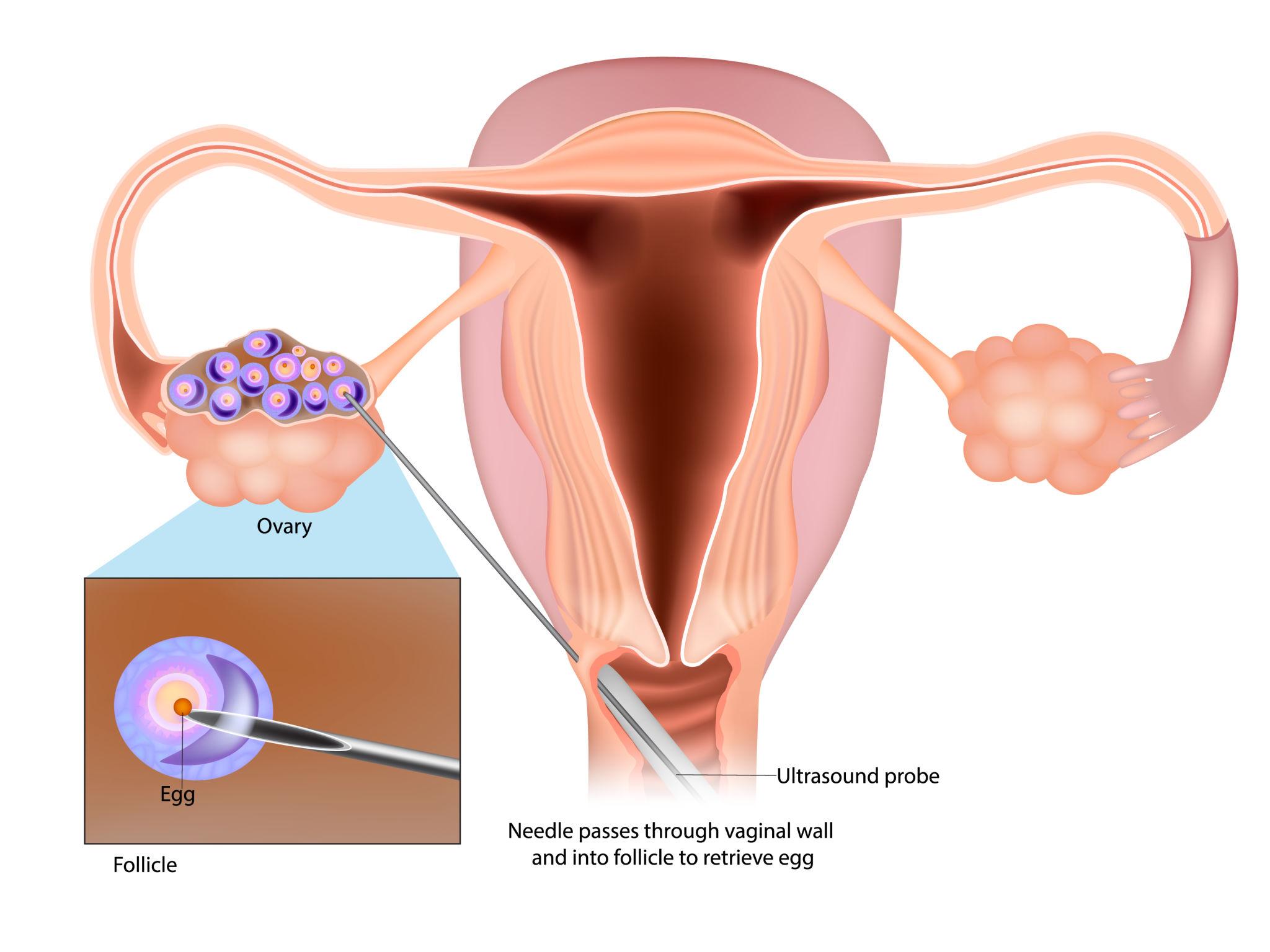
Question 5: How Does Egg Retrieval Work
Before embryos are created, IVF begins with egg retrieval.
The how does egg retrieval work process typically includes:
• Ovarian stimulation medications
• Ultrasound monitoring
• Minor egg retrieval surgery
• Fertilization in the lab
Understanding how eggs are handled and labeled after retrieval is an important safety consideration.
Question 6: What Happens During Embryo Transfer
Embryo transfer is one of the most sensitive moments in IVF.
Parents should ask:
• How patient identity is confirmed
• How embryos are verified before transfer
• Whether two staff members confirm labeling
After transfer, patients enter the post embryo transfer phase and often ask when does embryo implant or how long does it take the embryo to implant.
Implantation generally occurs within 6 to 10 days after fertilization.
Question 7: How Are Frozen Embryos Stored
Cryostorage systems are another major safety concern.
Questions should include:
• What backup systems exist during power outages
• Whether storage tanks are continuously monitored
• How clinics prevent labeling errors
Frozen embryo security has become a major topic following several legal disputes in the U.S.
Question 8: How Transparent Is the Clinic About Errors
A trustworthy clinic should openly discuss safety protocols and incident reporting.
Parents should evaluate:
• Transparency about laboratory procedures
• Willingness to explain risks
• Communication style with patients
Clinics that avoid detailed answers may not provide sufficient oversight.
Question 9: Can Gender Be Determined During IVF
Patients sometimes ask:
• Can you pick the gender of your baby
• When can gender be determined
• How early can you determine gender
During genetic testing, embryo sex chromosomes can often be identified. Biologically, does the sperm determine gender is scientifically accurate because sperm contributes either an X or Y chromosome.
However, gender selection policies vary by clinic and state.
Question 10: Does the Clinic Coordinate Well With Surrogacy Programs
For intended parents pursuing gestational surrogacy, clinic coordination becomes even more important.
The clinic must communicate effectively with:
• Agencies
• Attorneys
• Intended parents
Organizations such as Yunda Surrogacy work closely with fertility clinics to help intended parents understand laboratory procedures, embryo transfer planning, and surrogate coordination. Their structured process helps reduce confusion and improve communication throughout surrogacy in USA.
Why Due Date Accuracy Matters
After a successful transfer, many intended parents use tools such as an IVF due date calculator frozen transfer to estimate pregnancy milestones.
Clinics often explain:
• How to calculate due date after IVF
• Implantation timing
• Pregnancy monitoring schedules
Accurate embryo dating is one advantage of IVF pregnancies.
Real World Safety Concerns
Several embryo mix up cases reported by major outlets such as CNN and The New York Times have increased public scrutiny of IVF clinic procedures.
These incidents remain rare, but they highlight why rigorous safety systems matter.
Frequently Asked Questions
What is embryo grading
Embryo grading evaluates embryo quality before transfer based on appearance and development.
When does embryo implantation occur
Implantation typically happens 6 to 10 days after fertilization.
Can embryo testing prevent all IVF problems
No. Genetic testing helps identify some risks, but limitations still exist.
Conclusion
Choosing an IVF clinic involves much more than reviewing success rates. Laboratory safety, embryo tracking systems, staff experience, and transparency all play essential roles in protecting intended parents during fertility treatment.
Understanding embryo development, genetic testing, and transfer procedures helps families ask smarter questions before committing to a clinic. With careful planning and guidance from experienced professionals—including agencies like Yunda Surrogacy—intended parents can approach IVF and gestational surrogacy with greater confidence and peace of mind.
Reviewed for Yunda readers
Keep reading
Related Posts
Surrogate Medical Screening Process: Tests, Timeline, and Clinic Clearance
AI Embryo Selection in IVF: Breakthrough or Marketing Trend?