
Quick Answer
Explore egg donor screening, appointments, medical risks, repeat donation, compensation and consent questions to discuss with a fertility clinic.
Before applying to become an egg donor, understand what the clinic expects and what decisions you will be asked to make. Eligibility, treatment instructions and compensation terms depend on the program and your individual assessment.
These seven questions can help you prepare for a consultation. They are not a screening decision or a personal treatment recommendation.
1. How will the clinic decide whether I am eligible?
Ask for the clinic’s current screening criteria and the steps involved. Discuss your medical and family history, medications, prior reproductive treatment and any information you need help obtaining.
Ask who evaluates the results, how findings are explained and what happens if the clinic recommends further assessment. Do not assume that an online application or a recruiter’s initial response means medical approval.
2. What appointments and treatment are involved?
Request a written outline of screening, medication teaching, monitoring, retrieval and follow-up. Ask which appointments require travel, how much notice you will receive and who handles scheduling changes.
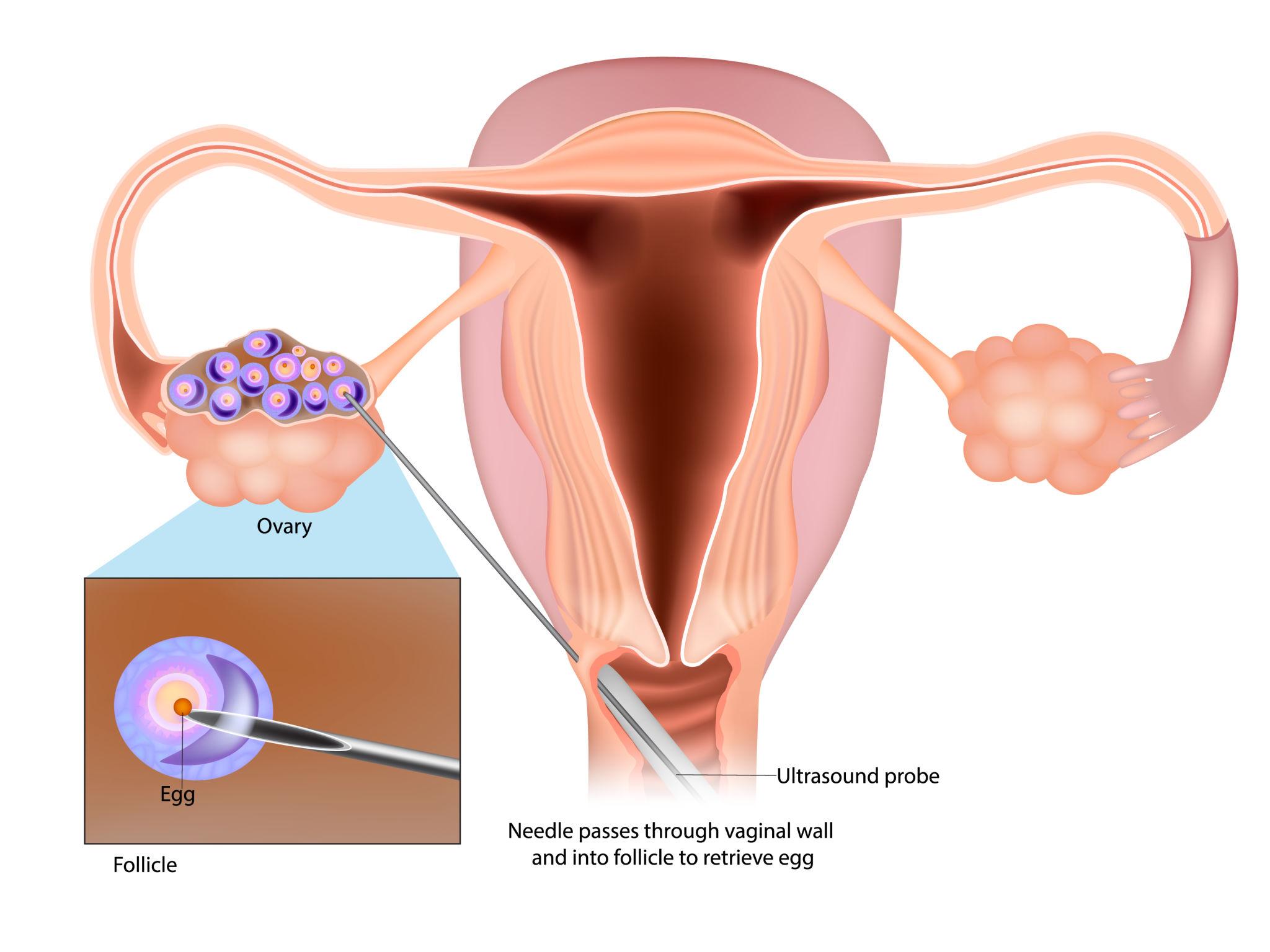
Have the treating team explain the medications and retrieval procedure in the context of your care. Ask about work, transportation and recovery planning rather than relying on a fixed timeline from someone else’s experience.
3. What are the immediate medical risks?
ASRM’s committee opinion on repetitive oocyte donation discusses stimulation and retrieval risks, including ovarian hyperstimulation syndrome and procedural complications. Discuss your individual risk with the clinician, along with the clinic’s prevention and follow-up plan.
Ask whom to contact outside office hours, which symptoms need urgent assessment and how medical costs related to a complication would be handled. Obtain the emergency contact instructions before treatment starts.
4. Could donation affect my future fertility?
Do not accept a guarantee that donation has no effect on future fertility. ASRM describes limited long-term follow-up data; reassuring findings do not establish zero risk for every donor.
Discuss your own reproductive plans and health history with the clinician. Ask what is known, what remains uncertain and whether follow-up is recommended for you. A recruiter’s reassurance does not replace this conversation.
5. What if I have donated before?
Tell the clinic about every previous donation cycle, including those through other programs. Bring available treatment records and disclose complications or unresolved symptoms.
ASRM recommends a prudent limit of six stimulated donation cycles. Ask the treating clinic how it applies professional guidance and your individual history. A cycle limit is not a guarantee that another cycle is appropriate for you.
6. How are compensation and expenses handled?
Request written terms before deciding. Ask which payments relate to time and participation, which expenses are reimbursed, when payments are due and what happens if screening or treatment ends early.
Clarify travel, medication, missed-work and complication-related expenses. Discuss tax questions with a qualified adviser. This article does not establish a pay rate or promise compensation for a particular application.
7. What am I agreeing to about information and future contact?
Ask for an explanation of consent documents, storage and use of donated material, confidentiality and any agreed future contact. Discuss whether identity disclosure could occur and what the program can realistically promise about privacy.
Take time to read the documents and ask about independent legal advice. Bring unanswered questions back to the clinic before consenting.
Yunda can help coordinate initial questions through our team page. The treating clinic determines medical eligibility and treatment; qualified counsel explains legal rights and obligations.
Ready to send your inquiry?
Use this guide to prepare better questions, then submit the intended parent or surrogate candidate inquiry form so Yunda can understand your situation and follow up with the right next step.
Reviewed for Yunda readers
Yunda reviews educational content so intended parents and surrogate candidates can prepare clearer consultation questions.
Kayla Luo · Reviewed by
Keep reading
Related Posts
Continue with related Yunda guides that answer nearby questions and help you compare next steps.
Surrogate Medical Screening Process: Tests, Timeline, and Clinic Clearance
Learn how the surrogate medical screening process works, including records review, lab tests, uterine evaluation, timeli
IVF Clinic Safety in 2026: 10 Questions Parents Should Ask
Understand IVF Clinic Safety Questions for Intended Parents, including surrogacy process. See key factors, planning ques
AI Embryo Selection in IVF: Breakthrough or Marketing Trend?
Understand AI Embryo Selection in IVF, including IVF surrogacy. See key factors, planning questions, and next steps to d