
Quick Answer
Questions this guide helps answer
Is surrogacy legal in every U.S. state
What is a pre-birth order in surrogacy
Can single parents use surrogacy in every state
Introduction
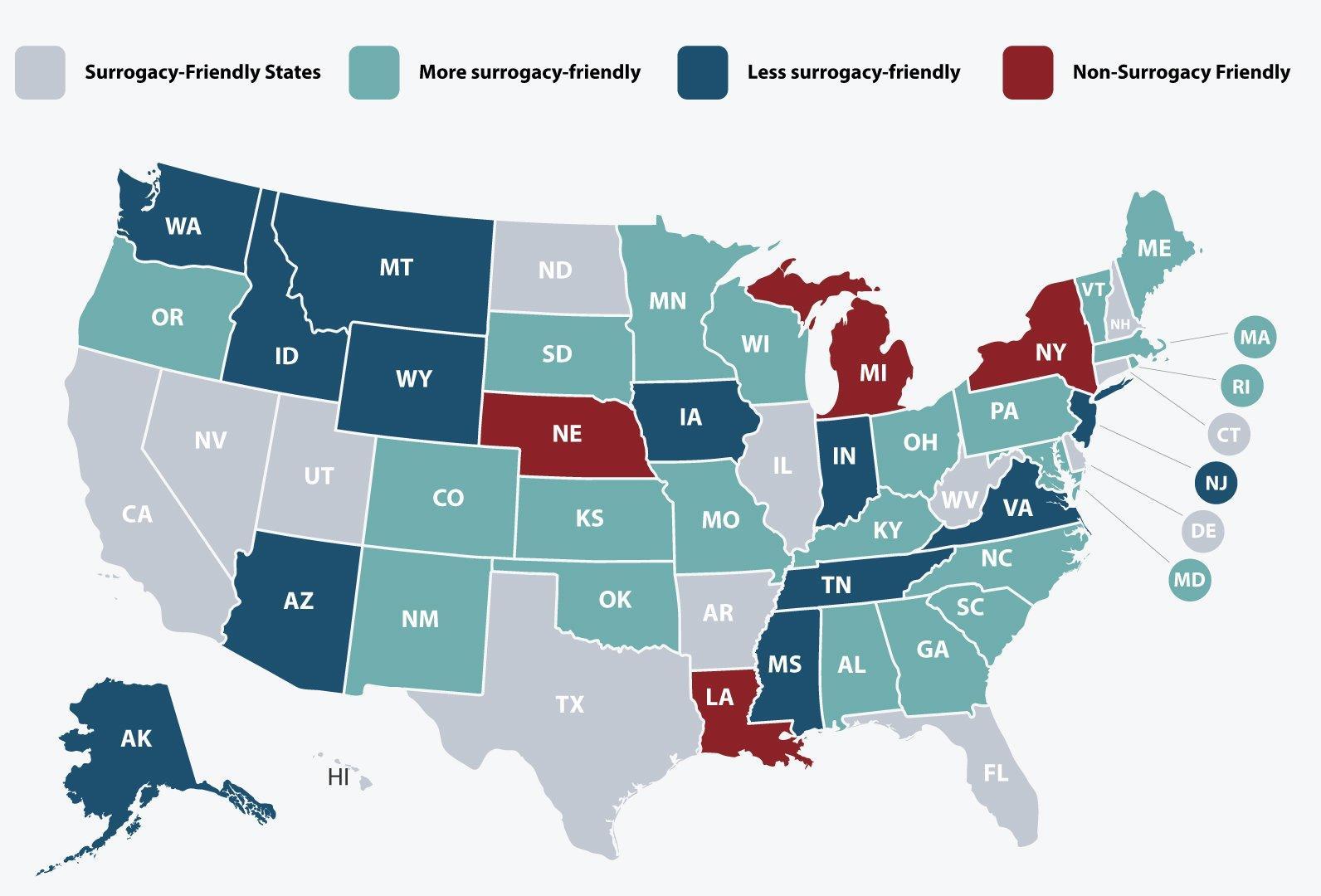
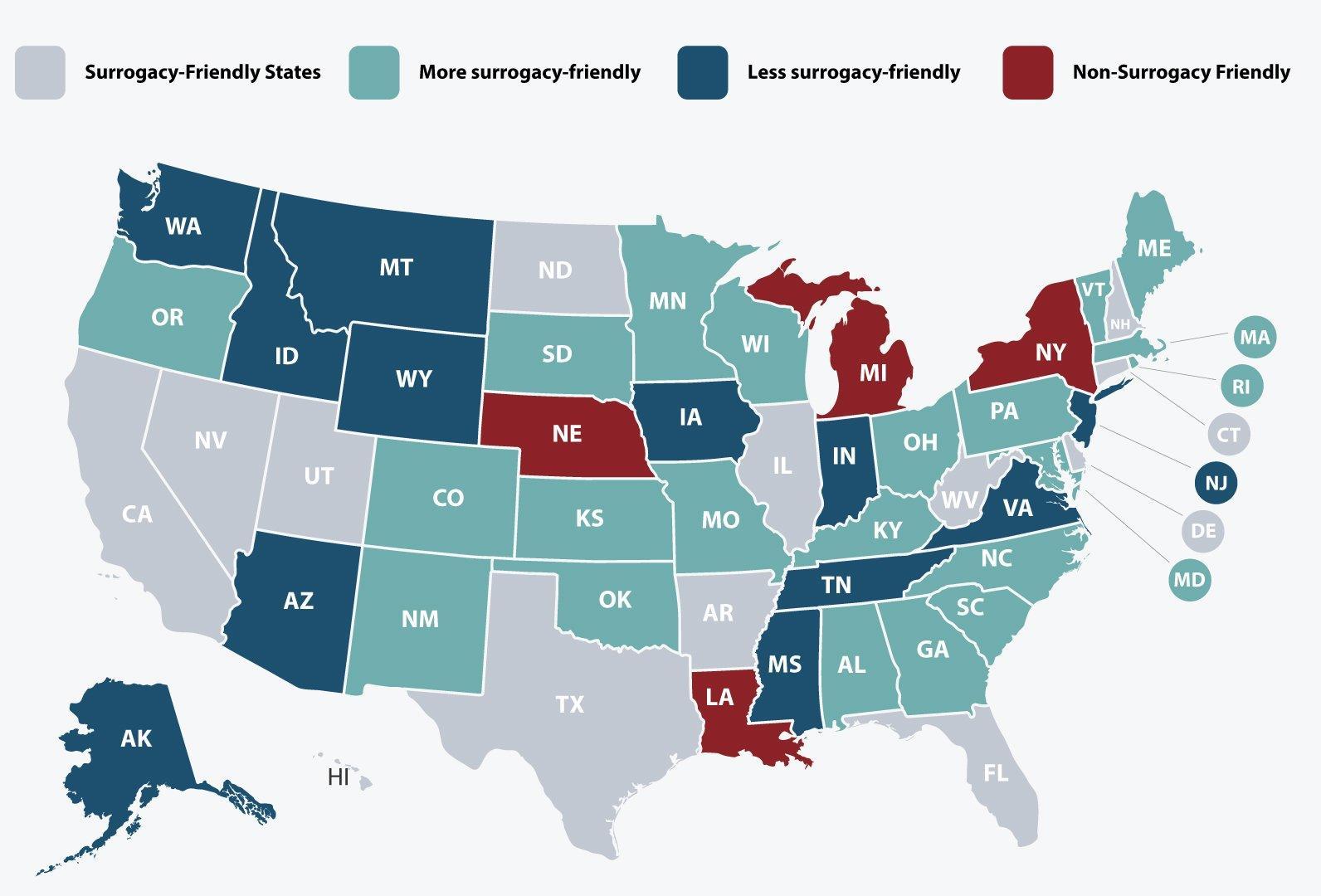
One of the biggest mistakes intended parents make is assuming surrogacy laws are the same across the United States. In reality, surrogacy laws by state vary dramatically, and the legal differences can directly affect parental rights, birth certificates, compensation agreements, and even whether a surrogacy arrangement is enforceable.
In 2026, more families are researching topics like which states are surrogacy friendly, what states allow paid surrogacy, and legal requirements for surrogacy agreements before beginning IVF or matching with a surrogate. According to the American Society for Reproductive Medicine, legal preparation remains one of the most important protections in any gestational surrogacy journey.
This guide explains the most important surrogacy agreement laws, compares state level requirements, and highlights what intended parents should know before signing a contract.
Why Surrogacy Laws Differ by State
Unlike marriage or immigration law, surrogacy is not governed by a single federal system. Each state establishes its own legal standards for:
• Surrogacy contracts
• Parentage recognition
• Compensation legality
• LGBTQ+ intended parent rights
• Single parent surrogacy access
As a result, the legal process for intended parents in California can look completely different from the process in another state.
What Makes a State Surrogacy Friendly
The term surrogacy-friendly states generally refers to states with clear legal protections for intended parents and surrogates.
These states usually allow:
• Enforceable surrogacy agreements
• Pre-birth parentage recognition
• Paid gestational surrogacy
• Equal treatment for LGBTQ+ families
• Clear legal procedures for birth certificates
California, Illinois, and Connecticut are often considered among the most stable jurisdictions for gestational surrogacy.
For many international intended parents, questions about a baby’s citizenship often come after understanding the surrogacy process and choosing a state. A child’s citizenship status depends on applicable U.S. laws and the specific circumstances of the birth and parentage. After birth, intended parents may need to complete several legal and administrative steps, including: • Obtaining a birth certificate Because citizenship and immigration matters can vary depending on each family’s situation, intended parents should work with experienced surrogacy attorneys and immigration professionals for personalized guidance.Does a Baby Born Through Surrogacy in the U.S. Get Citizenship?
• Establishing legal parentage
• Preparing travel documents
• Understanding citizenship requirements
States With the Clearest Surrogacy Laws
Several states are widely recognized for strong surrogacy frameworks.
California
California surrogacy laws remain among the most supportive in the country.
California generally allows:
• Pre-birth orders
• Paid surrogacy agreements
• LGBTQ+ intended parent recognition
• Single parent surrogacy rights
This legal consistency makes California one of the most popular locations for intended parents and surrogacy agencies.
Illinois
Illinois provides detailed statutory protection for gestational surrogacy agreements.
The state supports:
• Enforceable contracts
• Legal parentage protections
• Clear hospital procedures after birth
New York
New York legalized compensated gestational surrogacy under the Child Parent Security Act.
The state now provides:
• Legal oversight requirements
• Surrogate protection standards
• Parentage procedures for intended parents
States With Higher Legal Risk

Some states still create uncertainty for intended parents.
Potential legal concerns may include:
• Unclear contract enforcement
• Restrictions on compensation
• Limited parentage protections
• Court dependent outcomes
This is why researching surrogacy legal risks by state is critical before signing agreements.
What Is a Pre-Birth Order
A pre-birth order is a court order issued before delivery that legally recognizes intended parents as the child’s legal parents.
This document often allows:
• Intended parents’ names on the birth certificate
• Hospital recognition at delivery
• Simplified legal transition after birth
However, pre-birth order requirements by state differ significantly.
Some states issue them routinely, while others require post birth legal procedures instead.
Parentage Orders and Legal Recognition
A parentage order formally establishes legal parenthood after or before birth depending on the jurisdiction.
This process protects:
• Intended parent legal rights
• Birth certificate accuracy
• Medical decision authority
Without proper legal documentation, disputes can arise regarding custody or parental recognition.
What Must Be Included in a Gestational Carrier Agreement
A valid gestational carrier agreement typically addresses:
• Compensation structure
• Medical decision making
• Insurance coverage
• Embryo transfer plans
• Birth procedures
• Legal responsibilities of each party
Strong contracts reduce confusion and help create an enforceable surrogacy agreement.
Surrogacy Laws for Single and Same-Sex Intended Parents
Legal protections for LGBTQ+ families and single intended parents have improved significantly, but differences remain.
Some states strongly support:
• Same sex intended parents
• Unmarried intended parents
• Single intended parents
Others may still impose procedural barriers.
As a result, many families specifically research:
• Surrogacy laws for same-sex intended parents
• Surrogacy laws for single intended parents
before beginning the process.
How Intended Parents Should Compare State Laws
A strong comparison of state surrogacy laws should evaluate:
• Contract enforceability
• Parentage order availability
• LGBTQ+ protections
• Compensation legality
• Court efficiency
The best state for one family may not be ideal for another depending on legal and medical needs.
The Role of Surrogacy Agencies
Because legal coordination can become overwhelming, many intended parents rely on agencies for guidance.
Professional agencies often help with:
• Attorney referrals
• Contract coordination
• State law education
• IVF scheduling and communication
Organizations such as Yunda Surrogacy work with intended parents throughout the legal planning process, particularly in California based arrangements. Their coordination helps families understand gestational surrogacy laws by state before medical treatment begins.
Real World Legal Trends in 2026
Legal experts interviewed by American Bar Association note that more states are modernizing surrogacy statutes to address changing family structures and reproductive technologies.
However, inconsistent laws still create risk for intended parents who fail to plan carefully.
Frequently Asked Questions
Is surrogacy legal in every U.S. state
No. Laws vary widely, and some states still limit or restrict certain arrangements.
What is a pre-birth order in surrogacy
It is a court order recognizing intended parents as legal parents before delivery.
Can single parents use surrogacy in every state
Not always. Some states remain more restrictive than others.
Conclusion
Understanding surrogacy laws by state is one of the most important steps intended parents can take before beginning a surrogacy journey. Legal requirements affect contracts, parentage recognition, compensation, and family protections long before the baby is born.
As surrogacy continues evolving in 2026, intended parents increasingly prioritize states with clear legal frameworks and strong parental protections. With experienced legal professionals and guidance from agencies like Yunda Surrogacy, families can approach the process with greater confidence, reduced legal risk, and a clearer understanding of their rights.
Reviewed for Yunda readers
Keep reading
Related Posts

Is Surrogacy Legal in California? What Surrogates Should Know Before Signing a Contract

How to Choose a Surrogacy Lawyer in 2026: Questions to Ask