

Quick Answer
Interview a surrogacy lawyer about licensing, relevant experience, independent representation, parentage work, fees and coordination before you sign.
Choose a surrogacy lawyer by examining the work your journey needs, the jurisdictions involved and the lawyer’s scope of representation. An agency referral can help you start an interview, but it does not replace checking credentials or understanding who the lawyer represents.
Bring the proposed carrier location, clinic location, expected delivery location, family circumstances and any international connections to the first consultation. Ask the lawyer which facts could change the legal plan.
1. Are you licensed for the work our journey requires?
Request the lawyer’s full name and bar number. Check the relevant state bar directory for current status and published disciplinary information. Ask how work in another state will be handled and who will be responsible for it.
The American Bar Association’s lawyer-hiring resources can help you locate referral services and prepare for hiring counsel. A directory listing alone does not establish experience in assisted reproduction.
2. Have you handled journeys with circumstances like ours?
Ask about experience with gestational carrier agreements, parentage proceedings, donor arrangements and the jurisdictions relevant to your family. If you are single, a same-sex couple or living outside the United States, ask which additional issues counsel would evaluate.
Request an explanation of the anticipated process and unresolved questions. Do not ask for other clients’ confidential documents or assume that a past result guarantees yours.
3. Who is your client, and who represents the carrier?
Ask for this answer in the engagement letter. Discuss referral relationships and potential conflicts. Clarify how the carrier selects independent counsel and how those fees are handled without confusing payment with control over representation.
ASRM’s gestational carrier guidance recommends independent counsel licensed in the applicable state for the participants. It also describes legal clearance for the clinic before treatment. Ask your lawyer and clinic to agree on the required documents and timing.
4. What work is included in your fee?
Request an itemized scope: consultation, agreement drafting, negotiation, parentage filings, hearing attendance, birth-document coordination and any post-birth work. Ask which items are excluded, billed hourly or handled by another lawyer.
Identify who pays court charges, translation costs, travel and additional-jurisdiction fees. Ask how you will approve extra work and when you will receive billing statements.
5. What needs to happen before treatment and birth?
Ask counsel to explain the sequence for signing, clinic clearance and parentage proceedings. Identify the documents the clinic needs, who sends them and how receipt will be confirmed. Discuss what happens if the carrier moves or the expected delivery location changes.
For an international journey, request separate advice about recognition of parentage, citizenship and travel documents in the relevant countries. A U.S. engagement may not include that work.
Make the final comparison in writing
Compare credentials, relevant experience, scope, fees, responsiveness and the proposed timeline. Keep a list of questions the lawyer has not yet resolved. Read the engagement letter before deciding.
Yunda can help organize case information and coordination questions. Our Yunda team does not replace independent counsel or determine the legal outcome of your journey.
Ready to send your inquiry?
Use this guide to prepare better questions, then submit the intended parent or surrogate candidate inquiry form so Yunda can understand your situation and follow up with the right next step.
Reviewed for Yunda readers
Yunda reviews educational content so intended parents and surrogate candidates can prepare clearer consultation questions.
Kayla Luo · Reviewed by
Keep reading
Related Posts
Continue with related Yunda guides that answer nearby questions and help you compare next steps.

Is Surrogacy Legal in California? What Surrogates Should Know Before Signing a Contract
Review California Surrogacy Law for Surrogates, including surrogacy laws. See legal factors, timing, and questions to co
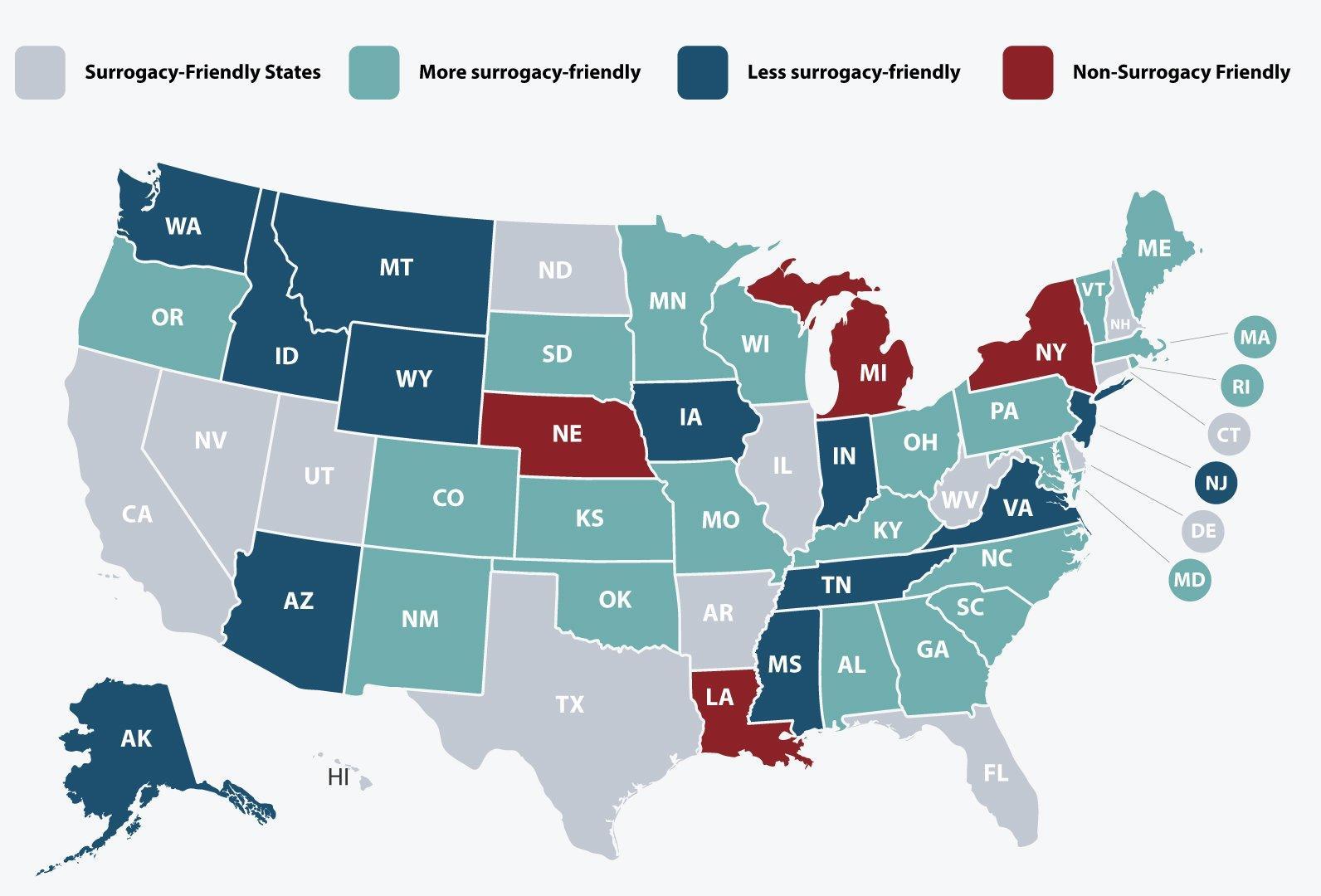
2026 Surrogacy Law Map: States That Protect Intended Parents
Compare the differences in gestational surrogacy laws across U.S. states—specifically regarding contract enforceability,

California IVF Coverage in 2026: SB 729 and Surrogacy Questions
Understand SB 729 plan scope and 2026 timing, then ask your insurer about IVF, donor services, surrogate treatment and s