

Quick Answer
Review California Surrogacy Laws and Parentage Process, including surrogacy laws. See legal factors, timing, and questions to confirm with counsel.
Why California Is the Most Surrogacy-Friendly State
Types of Surrogacy: Traditional vs. Gestational Surrogacy
Traditional Surrogacy
Gestational Surrogacy
Yunda Surrogacy: Protecting Families Through Every Legal Step
Key Legal Requirements for Surrogacy in California
- A Written Contract Both the surrogate and intended parents must sign a legally binding agreement before any medical procedures begin. Each party must have independent legal counsel.
- Pre-Birth Parentage Orders (PBOs) Courts issue these orders during pregnancy to declare who the legal parents are. This ensures that the intended parents’ names appear directly on the baby’s birth certificate.
- Medical and Psychological Screening Surrogates must complete comprehensive screenings to confirm emotional and physical readiness. This step ensures a stable, ethical surrogacy process.
- Independent Representation Both parties retain separate attorneys. This protects each side’s interests and ensures compliance with California surrogacy laws.
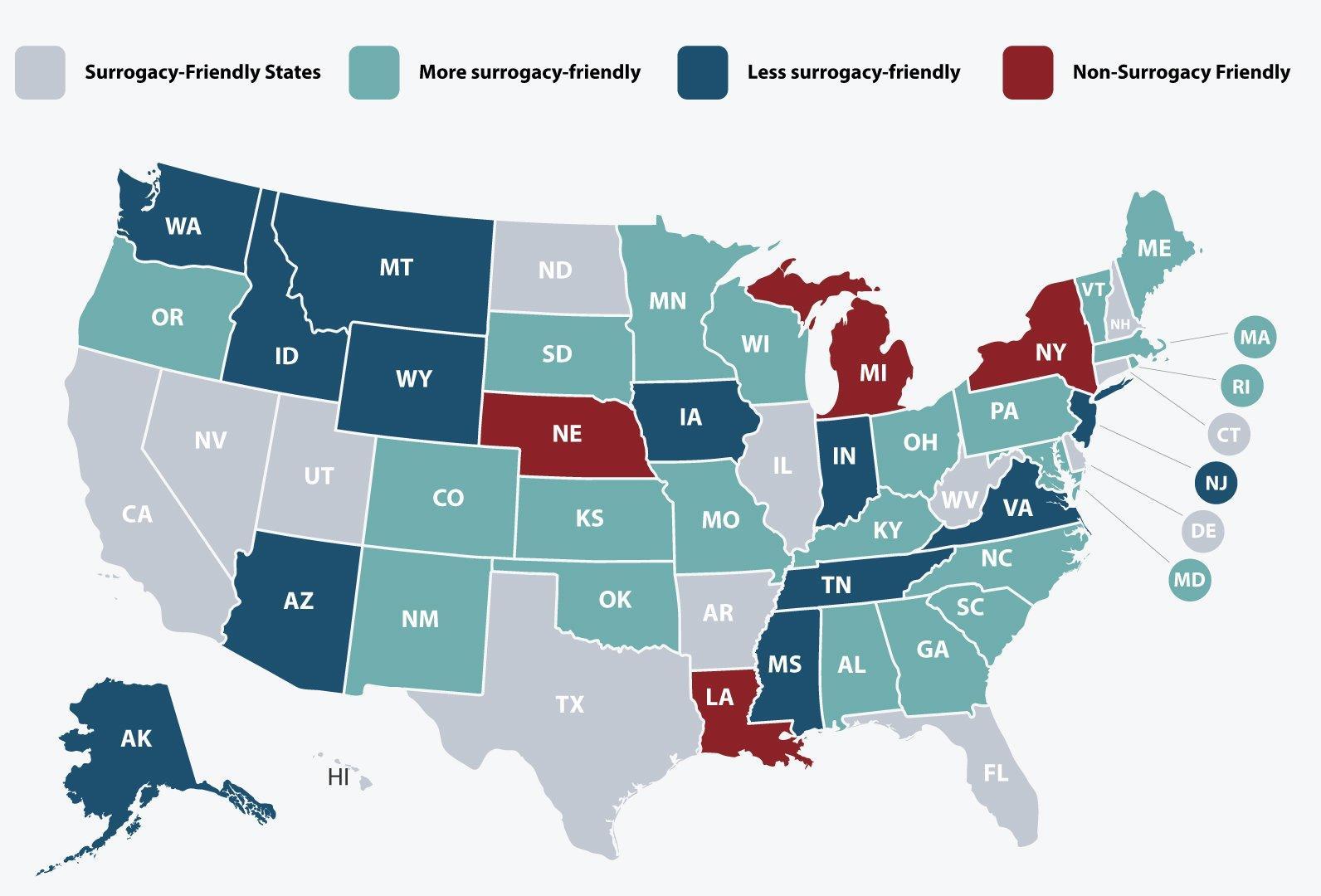
How California Compares to Other States
- Surrogacy in Illinois: Illinois offers strong legal safeguards similar to California’s, particularly for gestational surrogacy. However, the process can vary depending on local courts and the intended parents’ marital status.
- Surrogacy in Georgia: Georgia recognizes surrogacy agreements, but the laws are less clearly defined. Legal protections depend on local jurisdictions and court interpretations.
Gestational Surrogacy Process in California
- Matching and Evaluation We match intended parents with qualified surrogates based on shared values, expectations, and lifestyle preferences.
- Legal Contracts Both sides review and sign a contract prepared by experienced surrogacy attorneys. The agreement covers compensation, medical decisions, and parental rights.
- Medical Procedures Fertility specialists perform IVF using embryos from the intended parents or donors. The embryo transfer takes place in a licensed reproductive clinic.
- Pregnancy and Support Throughout pregnancy, Yunda coordinates regular updates, wellness checks, and family support resources.
- Pre-Birth Order and Delivery Before delivery, the legal team secures a PBO so that the intended parents appear on the birth certificate immediately after birth.
Why Legal Guidance Matters
Frequently Asked Questions (FAQ)
- What happens if the intended parents live outside California?
- How long does the surrogacy legal process take?
Ready to send your inquiry?
Use this guide to prepare better questions, then submit the intended parent or surrogate candidate inquiry form so Yunda can understand your situation and follow up with the right next step.
Reviewed for Yunda readers
Yunda reviews educational content so intended parents and surrogate candidates can prepare clearer consultation questions.
Kayla Luo · Reviewed by
Keep reading
Related Posts
Continue with related Yunda guides that answer nearby questions and help you compare next steps.
Is Surrogacy Legal in California? What Surrogates Should Know Before Signing a Contract
Review California Surrogacy Law for Surrogates, including surrogacy laws. See legal factors, timing, and questions to co
2026 Surrogacy Law Map: States That Protect Intended Parents
Compare the differences in gestational surrogacy laws across U.S. states—specifically regarding contract enforceability,

How to Choose a Surrogacy Lawyer in 2026: Questions to Ask
Interview a surrogacy lawyer about licensing, relevant experience, independent representation, parentage work, fees and