
Quick Answer
Questions this guide helps answer
What is egg donation surrogacy
Is using donor eggs more successful than own eggs
How does sperm donation fit into surrogacy
Introduction
As surrogacy continues to grow in the United States, intended parents increasingly face a key decision early in the journey: whether to use donor eggs or their own eggs. The question has become more prominent in 2026, as new clinical data and fertility trends reshape expectations.
Search behavior shows rising interest in topics such as ivf egg donation, egg donation surrogacy, and even related areas like sperm bank process and affordable sperm donors. These searches reflect a broader effort to understand all available reproductive options within surrogacy in USA.
According to the Centers for Disease Control and Prevention, the use of donor eggs in IVF cycles has steadily increased over the past decade, particularly among women over age 38. This trend directly influences decision making in gestational surrogacy.
Understanding the Two Options
In modern gestational surrogacy, embryos are created through IVF and transferred to a gestational surrogate. The intended parents must decide where the egg component comes from.
There are two main options: using the intended mother’s own eggs or using donor eggs through ivf egg donation.
Both approaches can lead to successful pregnancies, but they differ in medical, financial, and emotional considerations.
Using Your Own Eggs
Using one’s own eggs allows for a direct genetic connection between the intended mother and the child.
This option is often chosen when:
• The intended mother is under 38
• Ovarian reserve is still strong
• Previous IVF cycles have shown success
• There are no significant genetic concerns
However, success rates decline with age. Clinical data shows that egg quality becomes a major factor after the mid 30s, which may impact embryo viability.
Using Donor Eggs
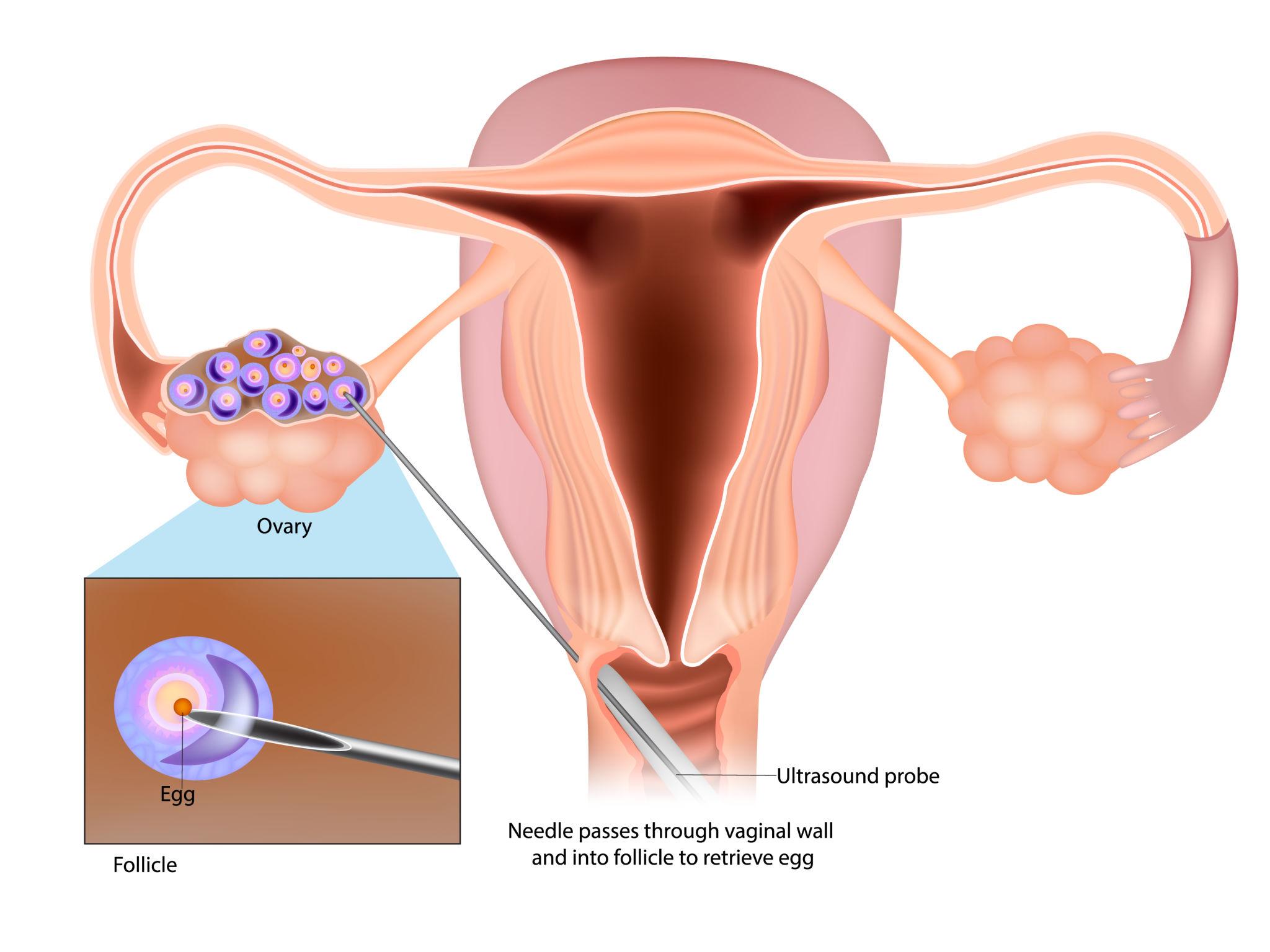
Egg donation surrogacy has become increasingly common, especially for individuals facing age related fertility decline or medical conditions.
Donor egg IVF offers several advantages. It may provide higher success rates due to younger donor age, reduce the risk of genetic abnormalities, shorten the timeline in some cases, and give intended parents access to screened and qualified donors.
The process typically involves selecting a donor through an agency or clinic, followed by fertilization and embryo transfer.
Role of common questions about becoming an egg donor in the Process
While egg selection is critical, sperm also plays an essential role.
Many intended parents explore:
• Sperm donation requirements
• Sperm bank process
• Options for affordable sperm donors
• Platforms offering online sperm donation
In some cases, individuals research topics like where to sell your sperm or donate sperm for cash, although reputable surrogacy programs rely on regulated sperm banks rather than informal arrangements.
Combining donor eggs with donor sperm is also an option, particularly for single parents or LGBTQ+ families.
Surrogacy and Egg Donation Combined
When egg donation and surrogacy are combined, the process becomes more structured.
The surrogacy and egg donation pathway typically includes:
• Selecting an egg donor
• Completing medical screening
• Fertilizing eggs through IVF
• Creating embryos for transfer
• Matching with a gestational surrogate
• Pregnancy and delivery
This approach is common in surrogacy in US, particularly in major hubs like surrogate NYC, where access to clinics and donors is more established.
Cost Considerations
Cost is a major factor when choosing between donor eggs and personal eggs.
Typical cost differences include egg retrieval cycles for intended mothers, donor compensation and screening fees, IVF laboratory costs, and additional embryo creation expenses.
While donor egg IVF can initially appear more expensive, higher success rates may reduce the need for multiple cycles, which can balance overall costs.
Emotional and Psychological Factors
The decision is not purely medical or financial.
Intended parents often consider:
• Genetic connection to the child
• Personal comfort with donor involvement
• Long term family identity considerations
• Communication about donor origins with the child
These factors can influence the final decision as much as clinical data.
The Role of Professional Guidance
Because the decision involves multiple variables, professional support is essential.
Experienced agencies help with:
• Coordinating egg donation surrogacy
• Matching intended parents with qualified donors
• Managing IVF timelines
• Ensuring compliance with surrogacy laws
Organizations such as Yunda Surrogacy assist families throughout surrogacy in USA, providing structured guidance on both egg selection and surrogate matching. Their experience helps intended parents balance medical realities with personal preferences.
What 2026 Data Suggests
Recent trends indicate a clear shift toward donor egg use in certain age groups.
Key insights include increased donor egg usage among women over 38, higher success rates in donor egg IVF cycles, growing demand for combined donor egg and surrogacy programs, and expansion of fertility services across the U.S.
These patterns reflect both medical advancements and changing family structures.
Frequently Asked Questions
What is egg donation surrogacy
It is a process where a donor provides the egg, which is fertilized and carried by a surrogate.
Is using donor eggs more successful than own eggs
In many cases, especially with older intended mothers, donor eggs have higher success rates.
How does sperm donation fit into surrogacy
Sperm may come from the intended father or a donor through a regulated sperm bank process.
Conclusion
Choosing between donor eggs and personal eggs is one of the most important decisions in the surrogacy journey. As 2026 data shows, both options remain viable, but success rates, age, and medical history often guide the final choice.
Understanding the role of ivf egg donation, the broader surrogacy and egg donation process, and how sperm selection fits into embryo creation helps intended parents make informed decisions. With support from experienced agencies like Yunda Surrogacy, families can navigate surrogacy in US with clarity, confidence, and a strategy tailored to their unique situation.
Reviewed for Yunda readers
Keep reading
Related Posts
Surrogate Medical Screening Process: Tests, Timeline, and Clinic Clearance
IVF Clinic Safety in 2026: 10 Questions Parents Should Ask